

Wat Asokaram in Samut Prakan: The Hidden White Temple Near Bangkok
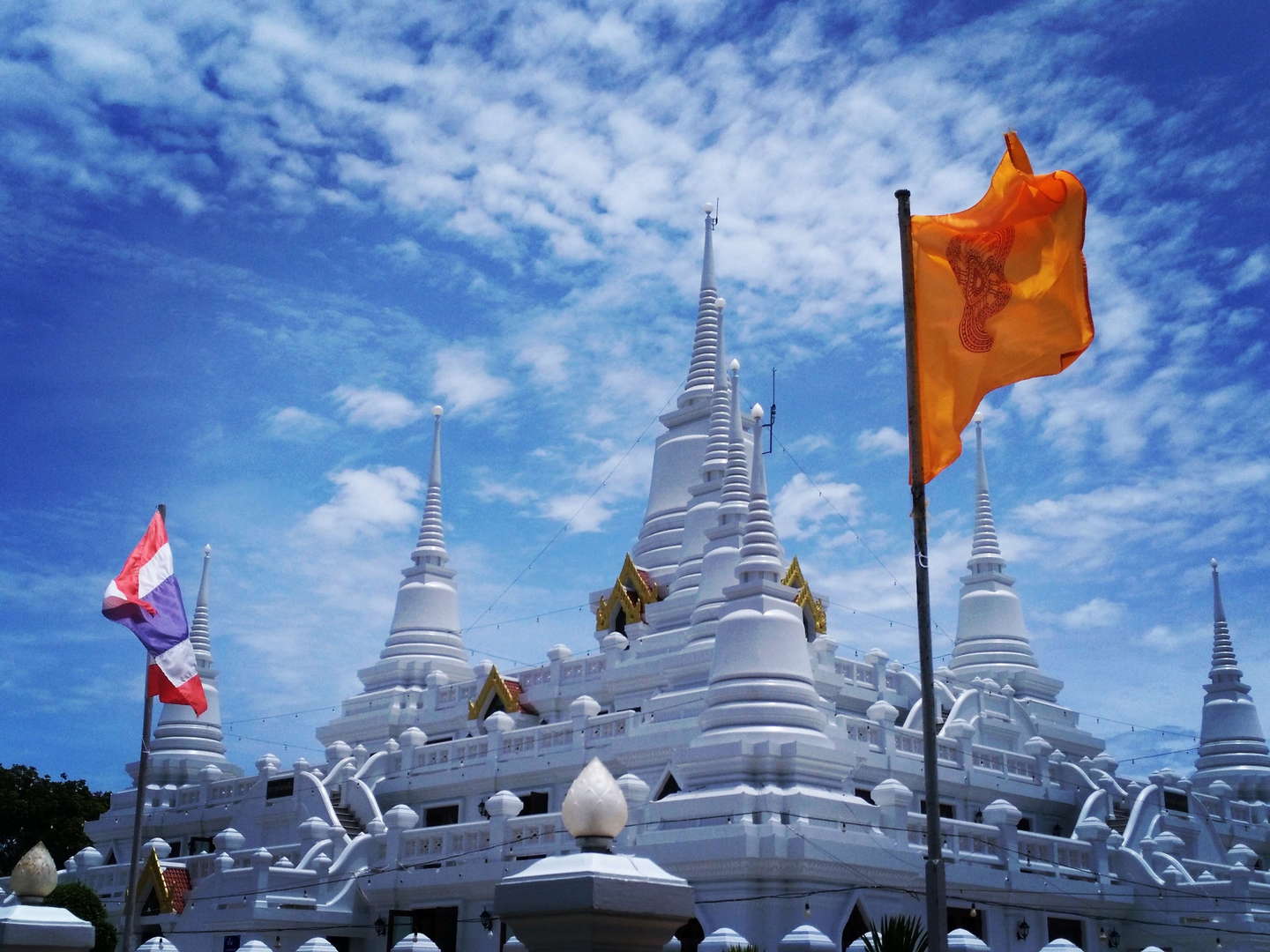
Just a few BTS stations from downtown Bangkok, Wat Asokaram is one of the most remarkable temples in Samut Prakan. With its 13 white stupas inspired by Burmese architecture, peaceful atmosphere and importance as a meditation center, it offers an unusual excursion away from Bangkok’s most visited attractions.
Why Visit Wat Asokaram?
Most visitors exploring Samut Prakan know about Ancient City or Bang Pu. Yet Wat Asokaram ranks among the most beautiful temples in the province.
Its entirely white architecture stands in sharp contrast to traditional Thai temples, which are often decorated with gold leaf and colorful mosaics. The peaceful setting also makes it popular with meditation practitioners and travelers looking for a quieter side of Thailand.
A Unique Temple Near Bangkok
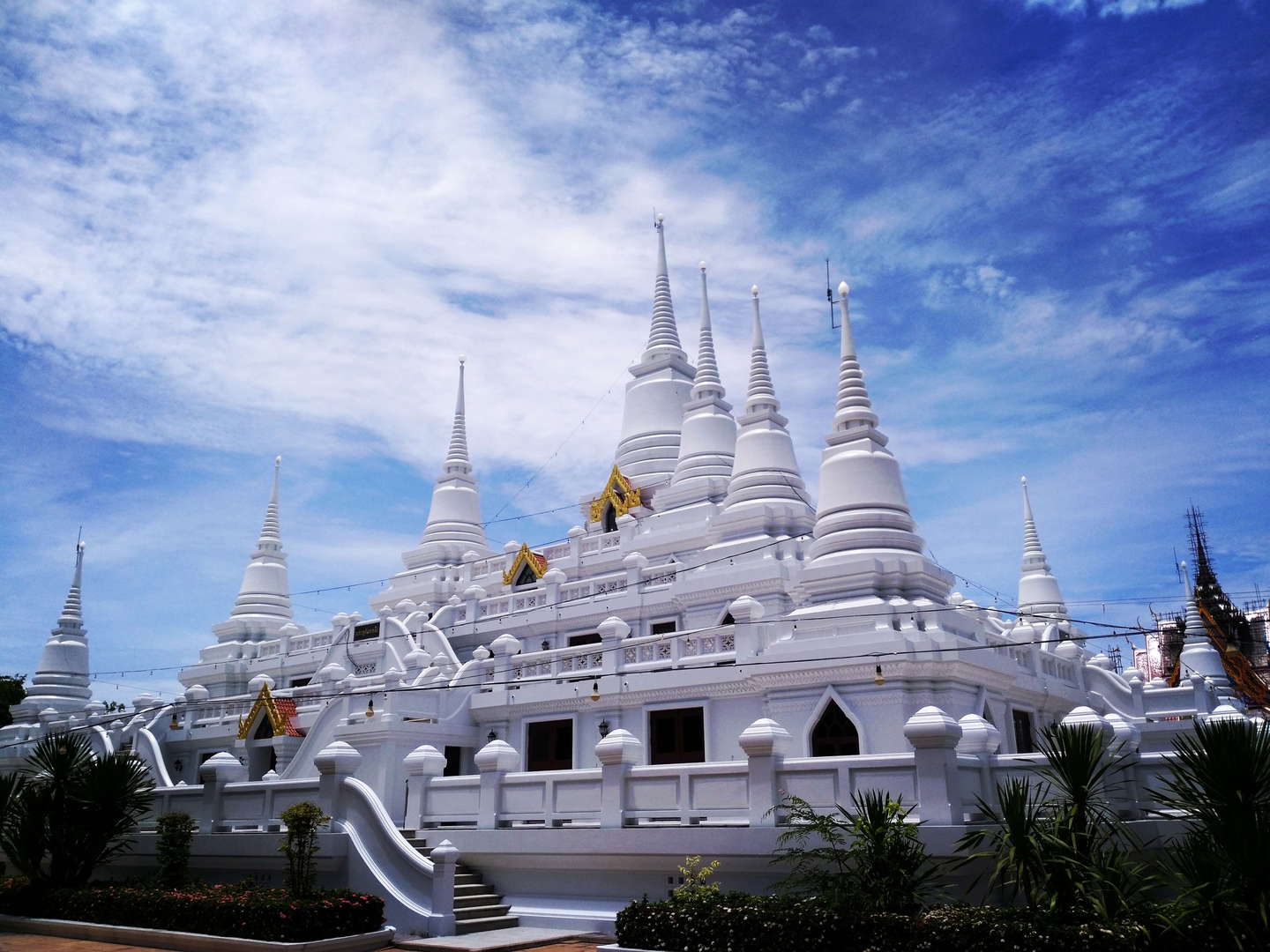
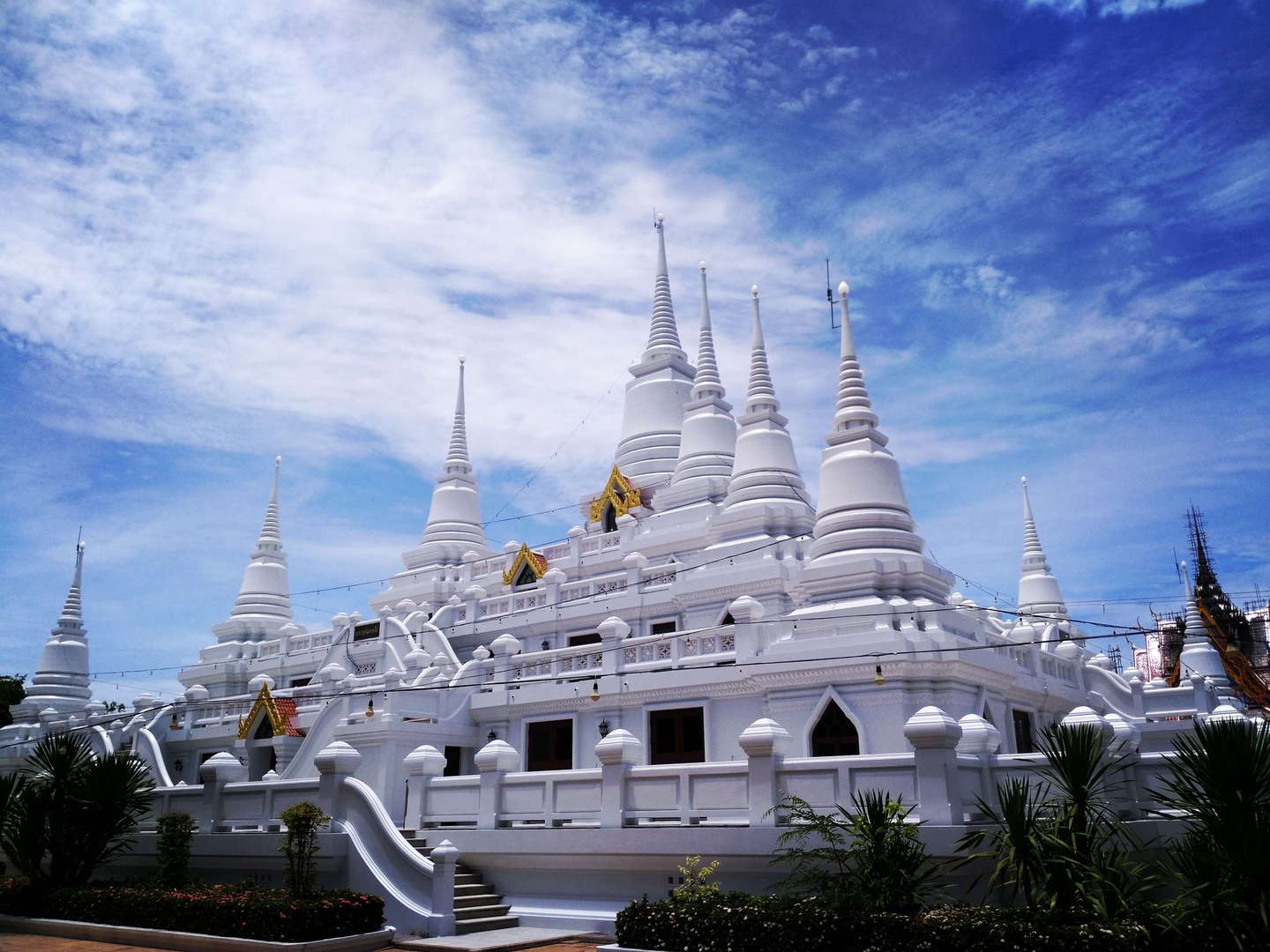
Built in 1962, Wat Asokaram is famous for its thirteen white chedis, representing the thirteen ascetic practices that lead toward enlightenment in Buddhist teachings.
Visible from afar, the central stupa dominates the entire complex and is one of the most photogenic religious landmarks in Samut Prakan and the Bangkok metropolitan area.
An Important Meditation Center
Wat Asokaram is not merely a place to visit. Above all, it is a center dedicated to the study of Dharma and meditation practice.
Inside, the meditation halls remain simple and uncluttered. Visitors can also find numerous books and resources devoted to Buddhism and meditation.
The Remarkable Architecture of the 13 White Stupas
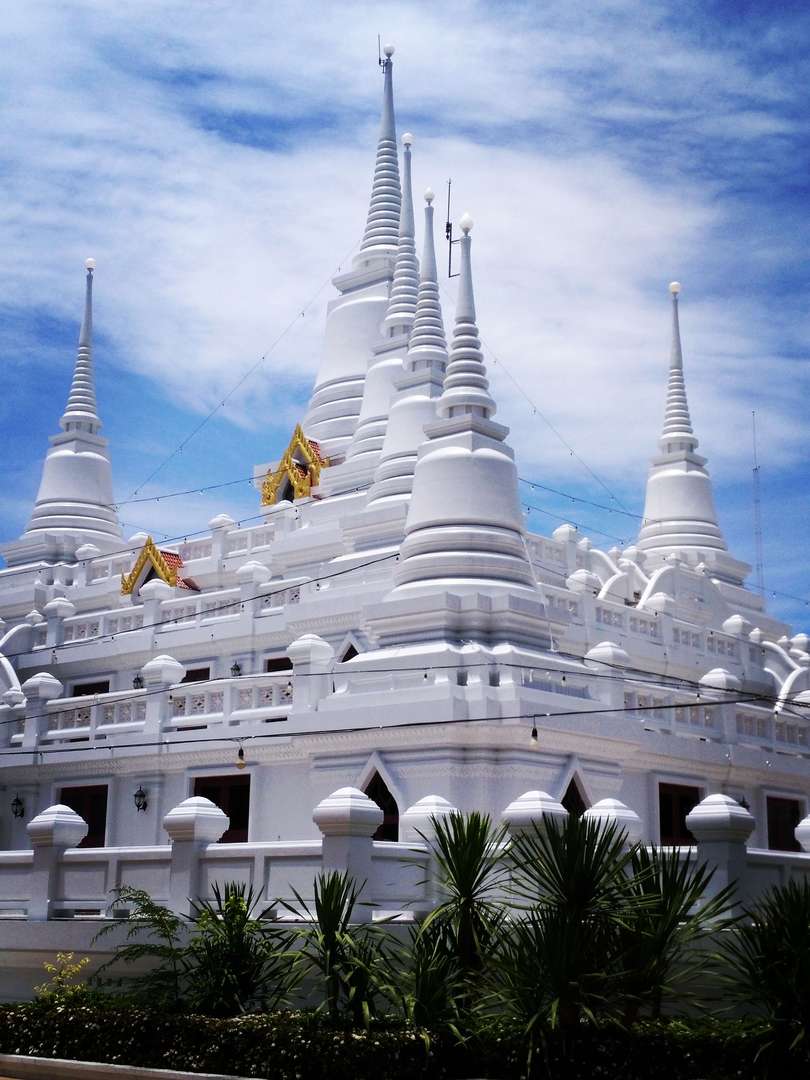
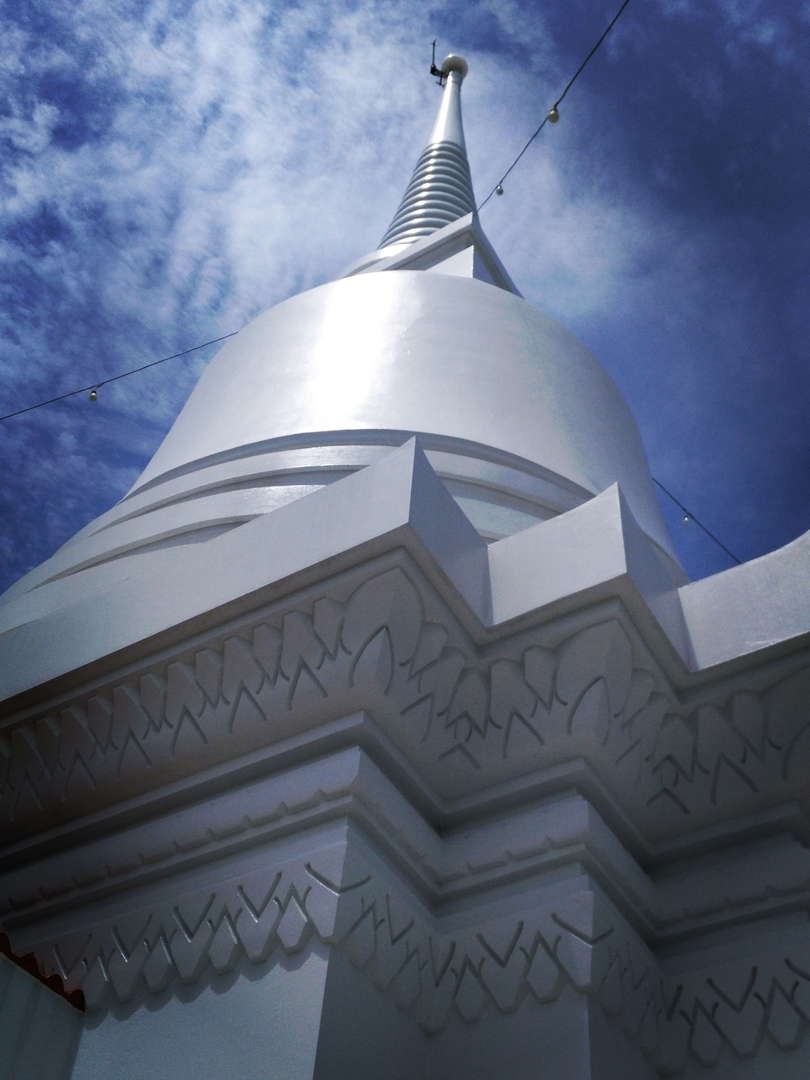
The architectural ensemble resembles the great religious monuments of Myanmar more than the temples typically found in Central Thailand.
The immaculate white stupas create a unique landscape that attracts photographers, architecture enthusiasts and spiritual travelers alike.
The Symbolism of the Thirteen Chedis
Each stupa represents a stage on the spiritual path toward enlightenment. This symbolism makes Wat Asokaram an important place for Buddhist practitioners.
The Central Stupa
At the heart of the complex stands an imposing central stupa visible from several kilometers away. Its brilliant white color contrasts beautifully with the tropical sky and surrounding greenery.
The Story of Luang Pu Lee Dhammadharo
Wat Asokaram was founded by the Venerable Luang Pu Lee Dhammadharo (1907–1983), a respected Thai Buddhist monk known for his teachings on meditation and Dharma practice. A disciple of masters from the Forest Tradition, he wanted to create a place devoted primarily to spiritual practice rather than religious tourism.
Under his guidance, the temple was established in 1962. The thirteen white stupas that have become the symbol of Wat Asokaram represent the thirteen ascetic practices, known as dhutanga, which encourage detachment and progress toward enlightenment.
Following his death in 1983, Luang Pu Lee Dhammadharo remained an influential figure in Thai Buddhism. To this day, devotees continue to visit Wat Asokaram to meditate, attend teachings and pay tribute to the monk who transformed the site into one of Samut Prakan’s leading meditation centers.
Explore the Area Around Wat Asokaram
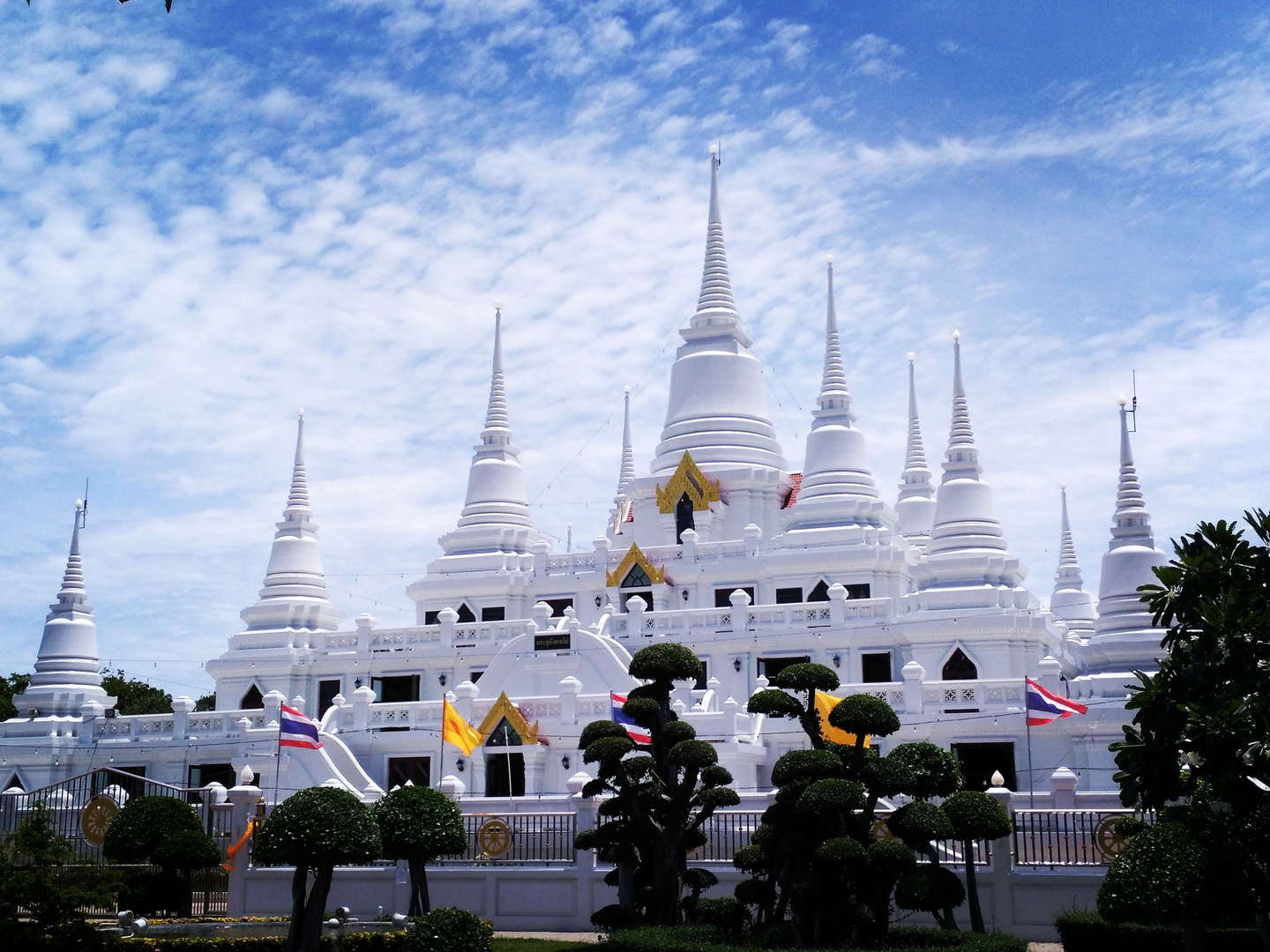
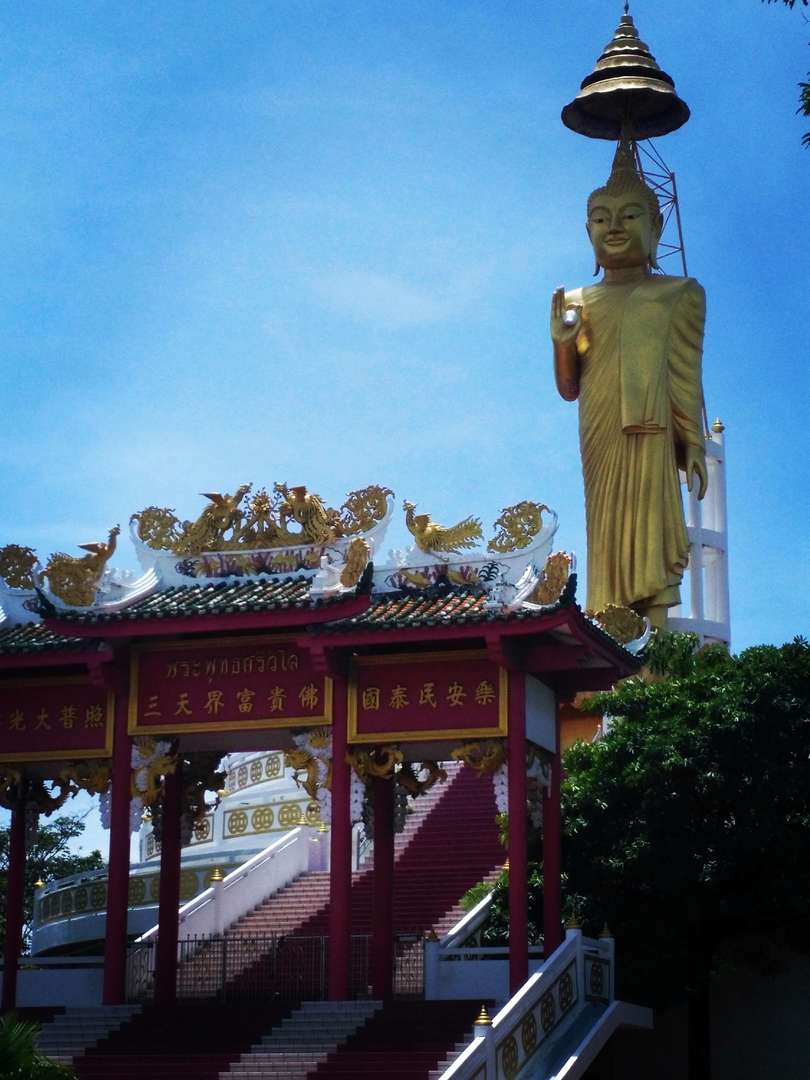
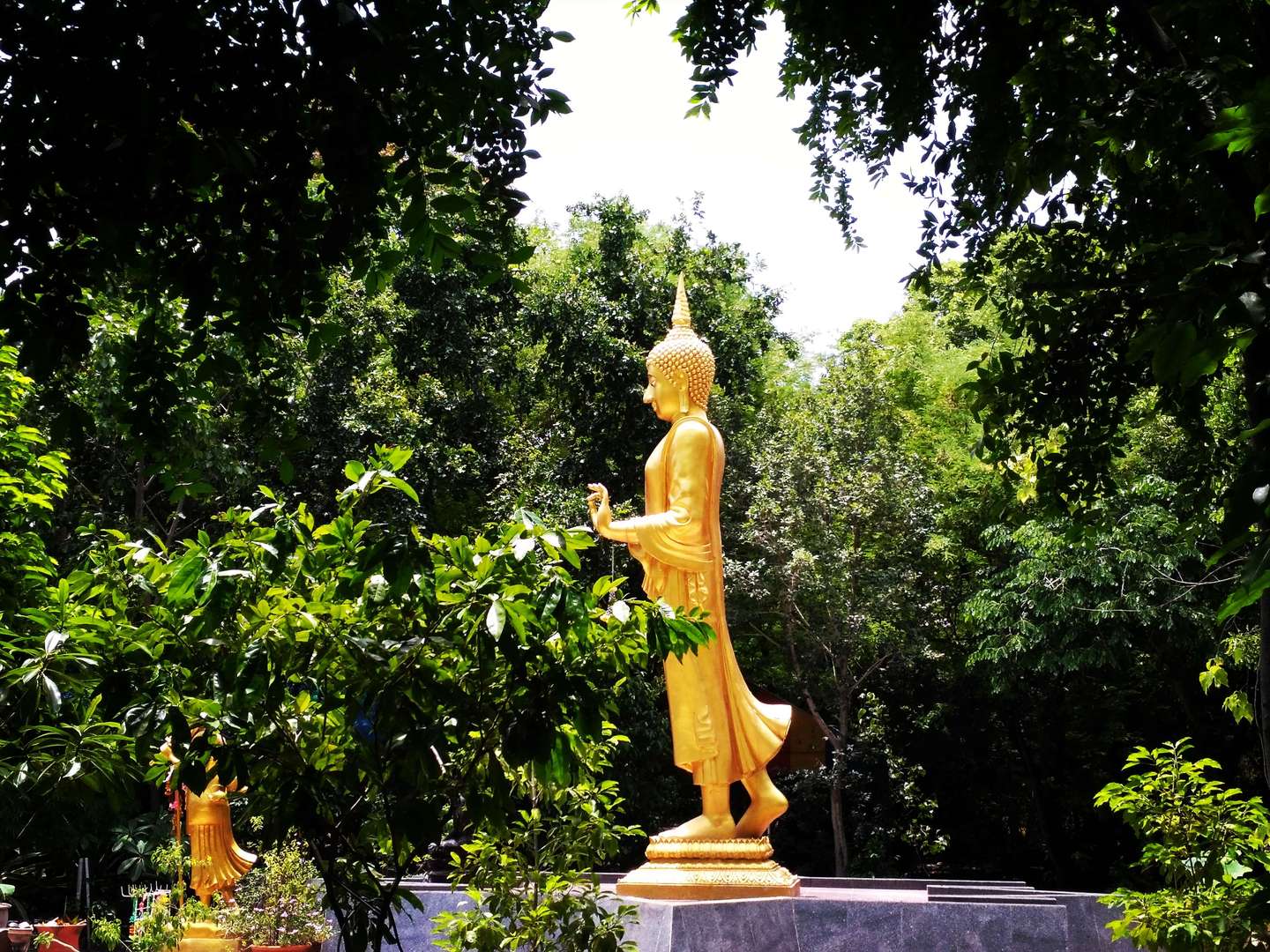
The experience does not end with the main temple complex. Opposite the modern structure stands the original temple, built in a traditional Thai style. Its giant Buddha statue and upper terrace offer excellent views of Wat Asokaram’s white stupas.
Mangrove Walking Trails
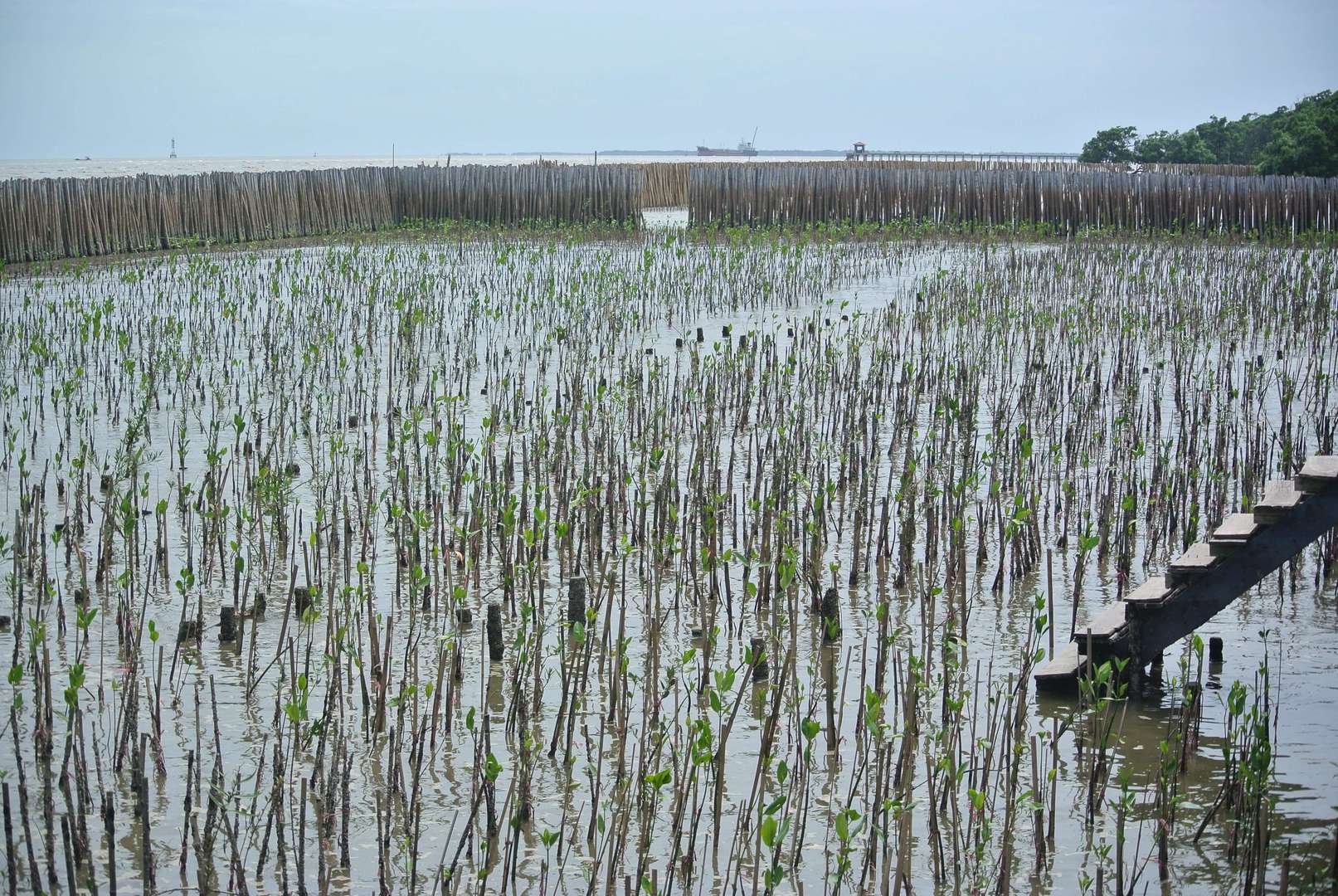
Several paths around the temple pass through coastal mangrove areas. They provide an opportunity to discover a preserved natural environment while observing the daily life of local monks.
The Giant Buddha of Samut Prakan
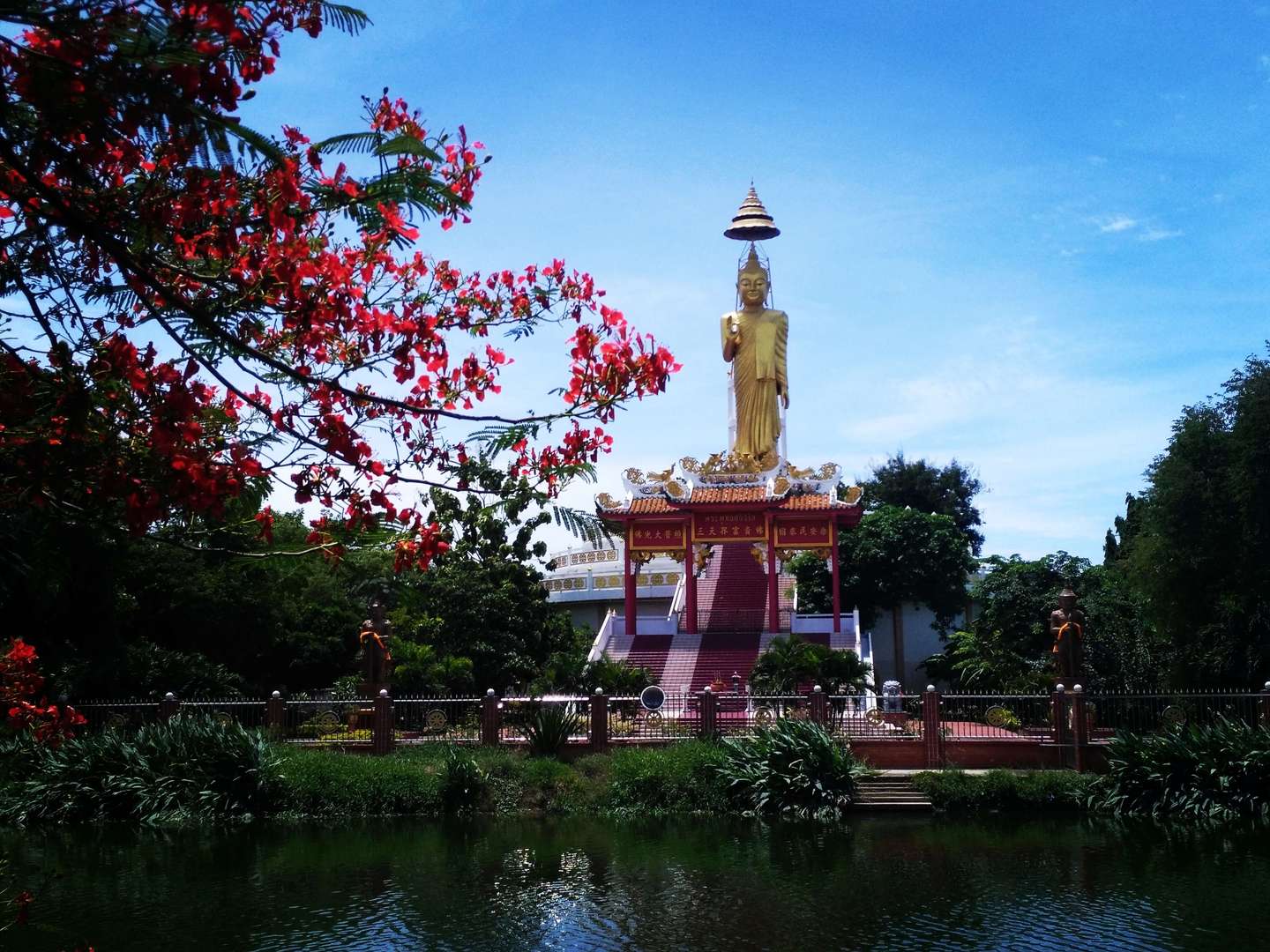
Near Sukhumvit Road, visitors can also stop at an enormous Buddha statue that makes an interesting addition to the excursion.
Combine Your Visit with Bang Pu
Just a few minutes away lies Bang Pu Recreation Center, famous for its migratory seagulls and views over the Gulf of Thailand. Both attractions can easily be visited during the same day trip.
How to Get to Wat Asokaram
Thanks to the extension of the BTS Sukhumvit Line, Wat Asokaram is much easier to reach today than it once was.
By BTS
- Take the BTS to Kheha Station, then continue by taxi (approximately 20 minutes).
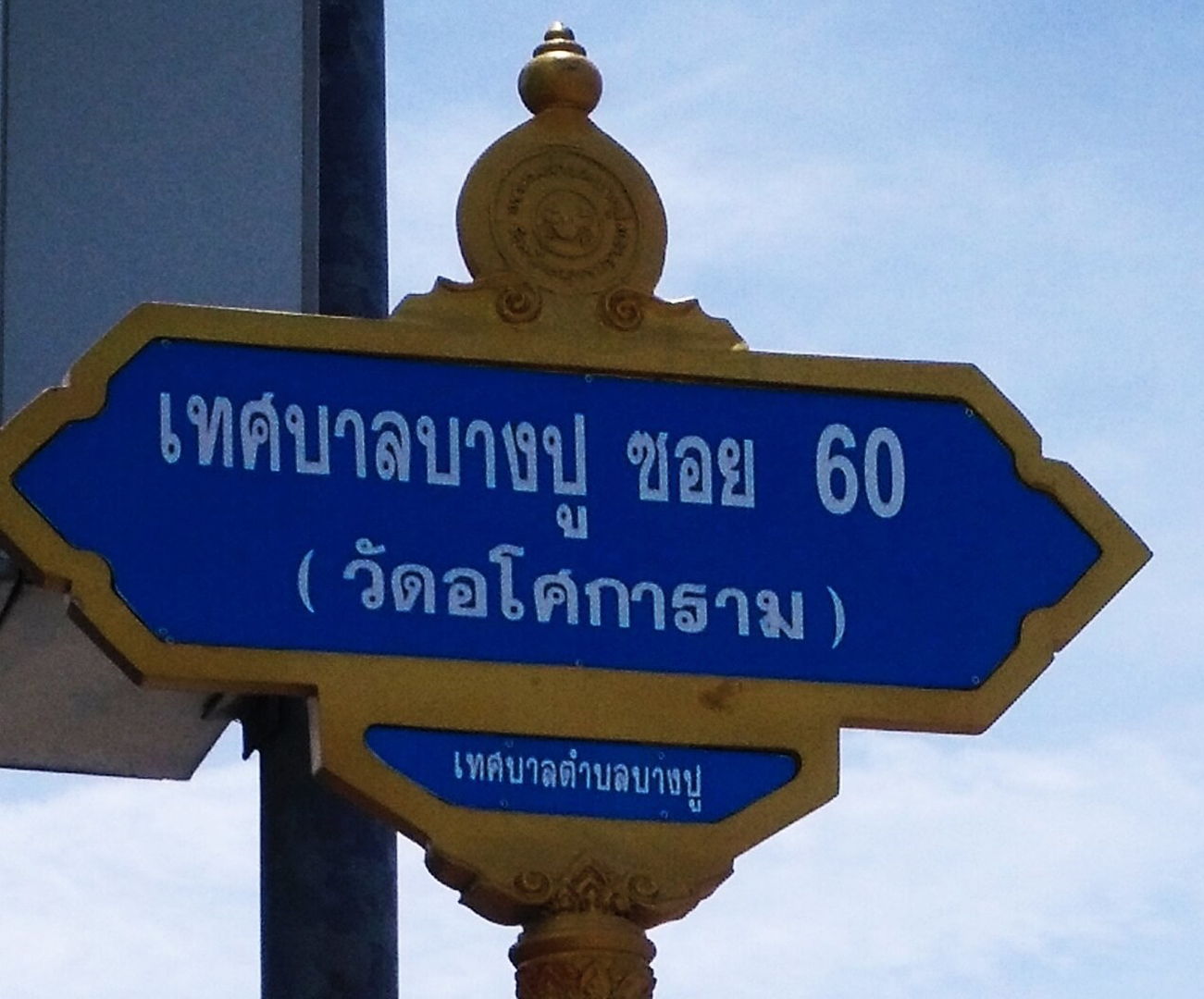
- Alternatively, take a local songthaew from Kheha Station to Soi 60, then continue on foot or by motorcycle taxi.
By Car
From Bangkok, follow Sukhumvit Road toward Samut Prakan, turn into Soi 60 and continue directly to the temple.
Practical Information
Opening Hours
- Daily
- 6:00 AM to 5:00 PM
Address
Wat Asokaram - 136 Moo 2, Thai Ban, Mueang Samut Prakan District, Samut Prakan 10280
Dress Code
The temple reminds visitors on its official website that it is first and foremost a place for Dharma practice rather than a tourist attraction. Respectful clothing and behavior are therefore expected.
Visitor Tips
- Allow 1 to 2 hours for your visit.
- Arrive early in the morning for the best light on the white stupas.
- Combine your trip with Bang Pu and Ancient City.
- Maintain silence in meditation areas.
- Avoid shorts, sleeveless tops and revealing clothing.
FAQ: Wat Asokaram
Is Wat Asokaram Worth Visiting?
Yes. It is one of the most distinctive temples near Bangkok thanks to its thirteen white stupas, peaceful atmosphere and unique architecture.
How Long Does It Take to Visit Wat Asokaram?
Most visitors spend between one and two hours exploring the temple grounds and surrounding area.
Can I Reach Wat Asokaram by Public Transport?
Yes. The BTS Sukhumvit Line provides easy access to Samut Prakan, followed by a short taxi or songthaew ride.
When Is the Best Time to Visit Wat Asokaram?
Morning is generally the best time to visit, offering cooler temperatures and ideal lighting for photography.
Can Visitors Meditate at Wat Asokaram?
Yes. Wat Asokaram remains an active meditation center and an important place for Buddhist practice.
What Can I See Near Wat Asokaram?
Nearby attractions include Bang Pu Recreation Center, Ancient City (Muang Boran), the Giant Buddha of Samut Prakan and the coastal mangrove areas.