

Bang Pu Recreation Center: Seagulls, Mangroves and Coastal Nature Near Bangkok
Bang Pu Recreation Center is one of the most rewarding nature escapes near Bangkok. Located at the mouth of the Chao Phraya River, this coastal reserve combines mangrove forests, migratory birds and sweeping views over the Gulf of Thailand.
Located about 40 kilometres southeast of central Bangkok, Bang Pu Recreation Center is a popular getaway for residents looking to escape the city’s traffic and skyscrapers.
Situated in Samut Prakan Province, where the Chao Phraya River meets the Gulf of Thailand, the site offers a very different landscape from the Thai capital. Instead of shopping malls and high-rise buildings, visitors find mudflats, mangrove forests and open sea views stretching to the horizon.
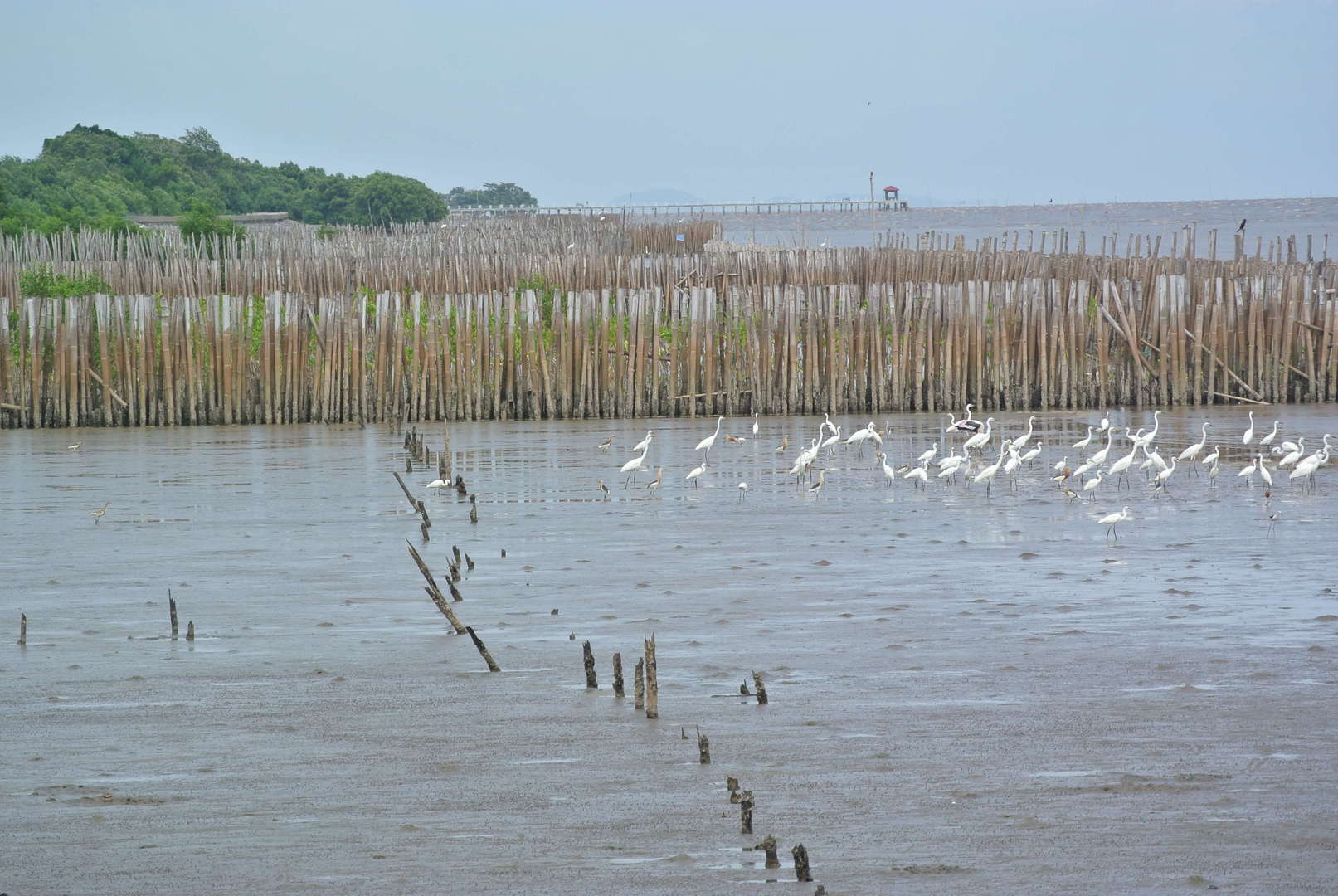
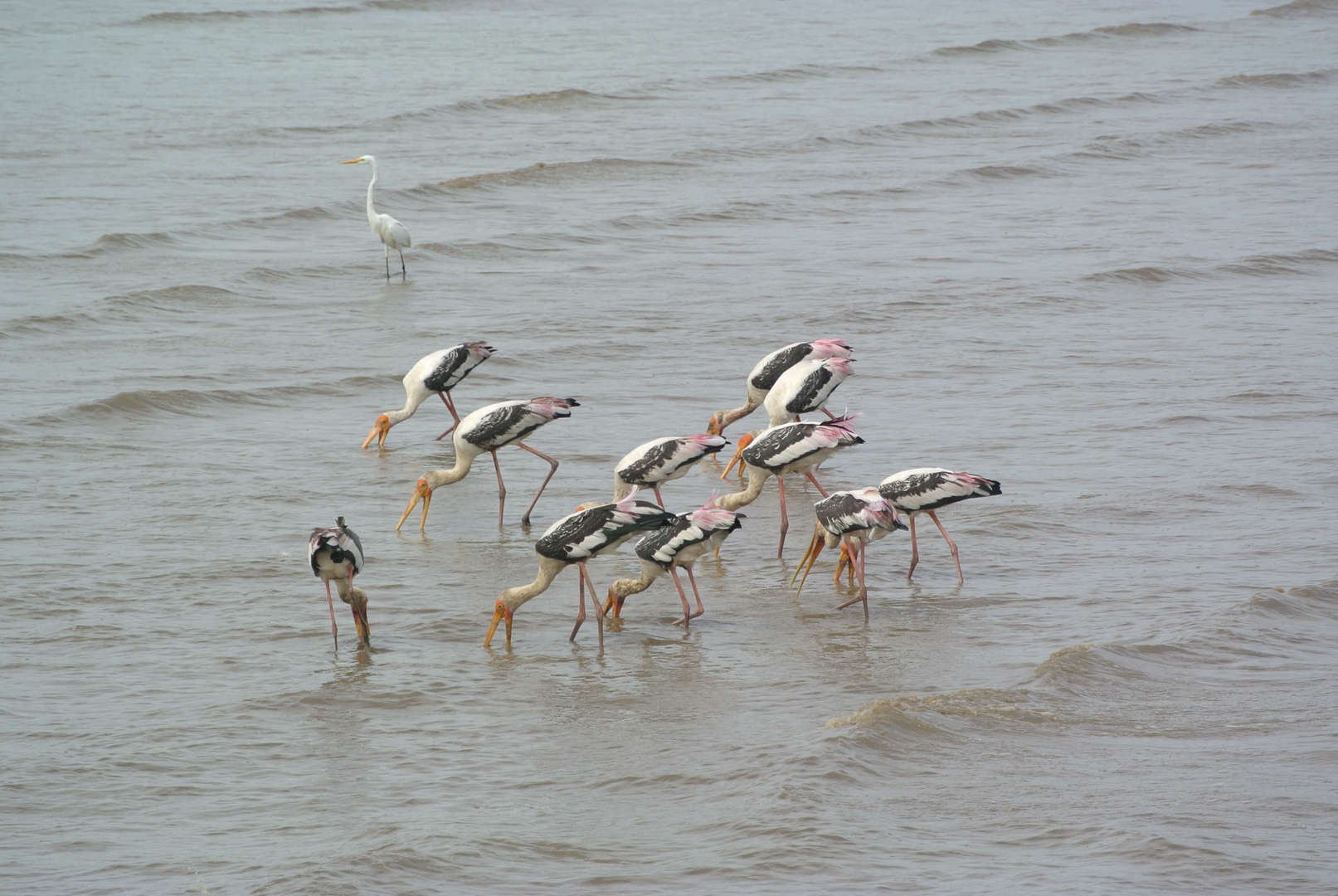
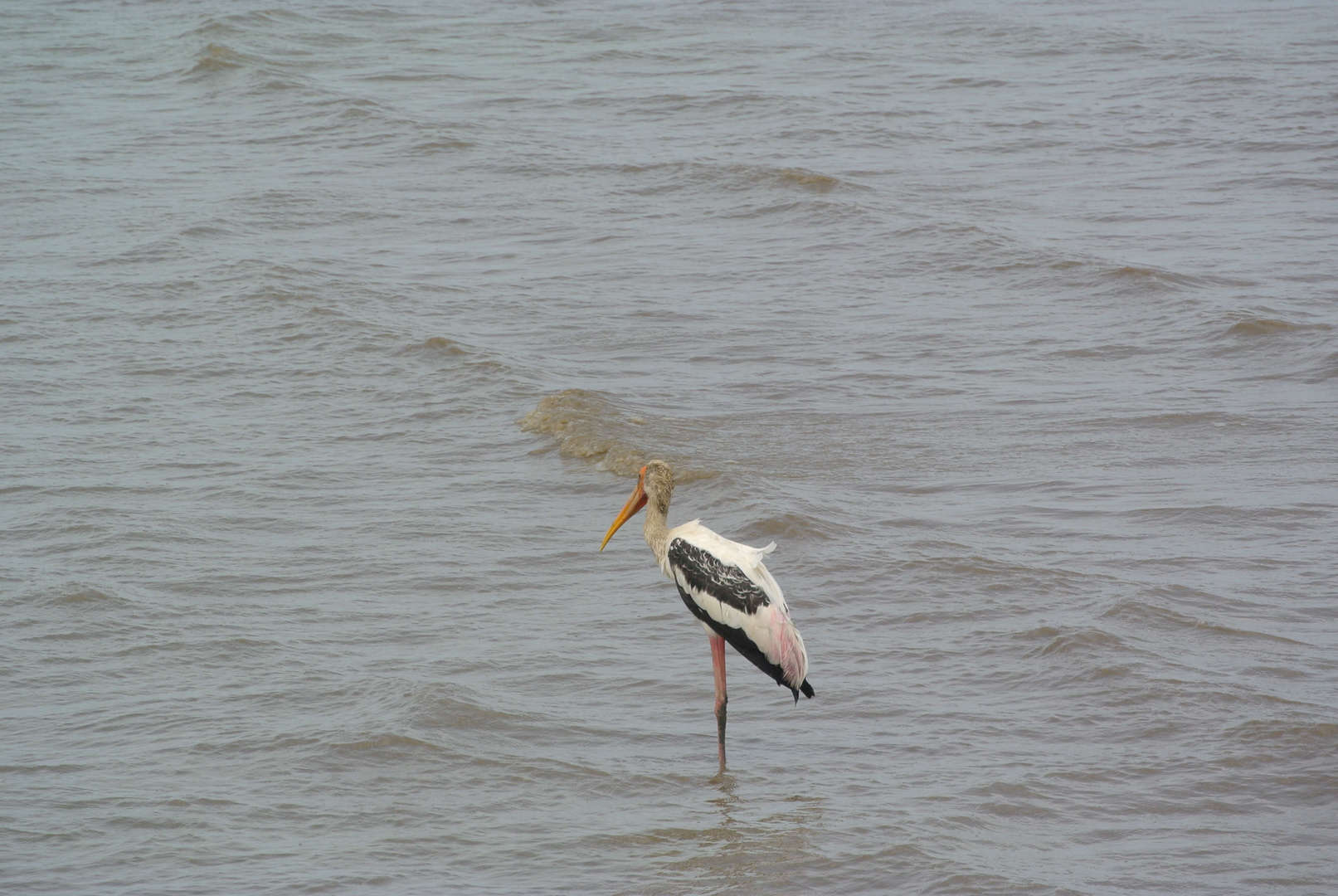
Bang Pu is especially famous for its seasonal flocks of migratory birds. Every year, thousands of visitors travel here to observe the iconic “Bang Pu seagulls”, one of the most unusual wildlife spectacles near Bangkok.
Why is Bang Pu famous in Thailand?
Established in 1937, Bang Pu Recreation Center is one of Thailand’s oldest coastal leisure destinations.
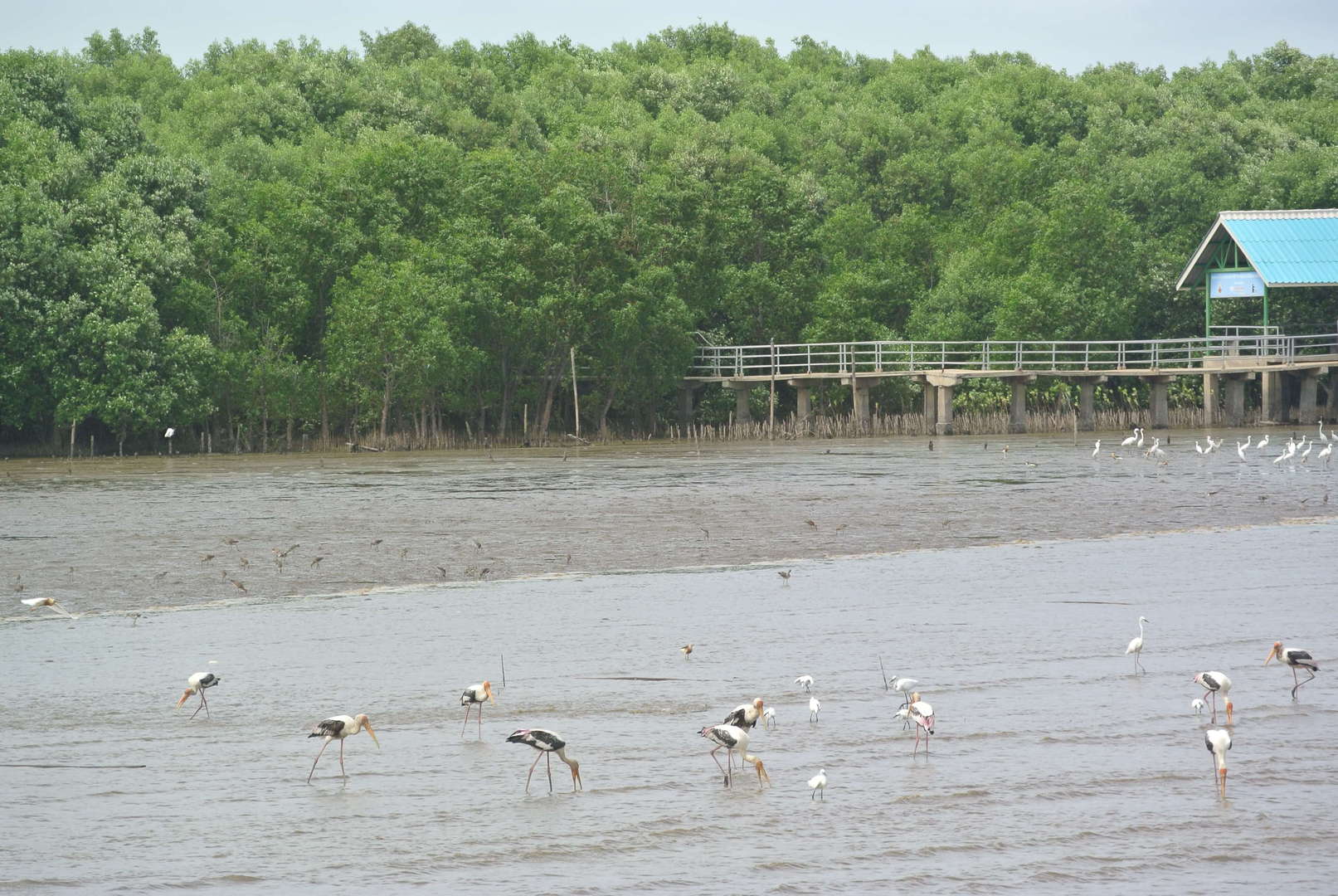
Managed by the Royal Thai Army, the site gradually became famous for its combination of coastal scenery and rich birdlife. The surrounding wetlands and mangrove ecosystems provide an important habitat for numerous bird species migrating across Asia.
Most visitors come to see the famous Sukta Bridge, a long pier extending hundreds of metres into the Gulf of Thailand. At the end of the pier stands a seaside restaurant where visitors can enjoy panoramic views of the coast and observe birds flying above the shallow waters.
As sunset approaches, the pier becomes one of the most photogenic locations in the Bangkok metropolitan area.
The famous Bang Pu seagulls
Bang Pu is widely known for its seagulls. In reality, most of the birds seen here are Brown-headed Gulls (Chroicocephalus brunnicephalus), a migratory species that spends the cool season in Thailand.
Each year, thousands of these birds travel from northern Asia to winter along the Gulf of Thailand.
Their arrival transforms Bang Pu into one of the best birdwatching destinations near Bangkok and attracts both wildlife photographers and nature enthusiasts.
The history of Bang Pu: from seaside resort to protected nature area
The story of Bang Pu began in 1937 under the government of Field Marshal Plaek Phibunsongkhram. At the time, the Thai authorities wanted to create a seaside destination that residents of Bangkok could easily reach without travelling long distances.
The coastline of Samut Prakan, located near the mouth of the Chao Phraya River, was selected as the ideal location. Construction soon followed, including the now-famous Sukta Bridge extending into the Gulf of Thailand.
For several decades, Bang Pu was one of the most popular weekend destinations around Bangkok. Long before the rise of beach resorts such as Pattaya or Hua Hin, local families visited Bang Pu to enjoy sea breezes, seafood restaurants and sunset views over the gulf.
The site also played a role during the Second World War, when Japanese forces landed at several points along the Gulf of Thailand, including the Bang Pu area.
From the 1990s onwards, Bang Pu gradually evolved from a simple leisure destination into an important environmental conservation area. Its mudflats, wetlands and mangrove forests support a remarkable diversity of wildlife and provide habitat for more than 200 bird species.
Today, Bang Pu stands as both a historical landmark and an ecological refuge. This combination of heritage, wildlife and coastal scenery makes it one of the most interesting day trips from Bangkok.
Best time to visit Bang Pu
November to February
The coolest months of the year are also the best time to visit.
From November to February, migratory birds arrive in large numbers, creating the spectacular scenes for which Bang Pu is famous.
Sunset
Late afternoon is generally considered the most beautiful time of day to explore the site.
Temperatures are cooler, the light becomes softer and large flocks of birds often gather around the pier before sunset.
Exploring the mangroves and coastal ecosystems
Birdwatching is only part of the Bang Pu experience.
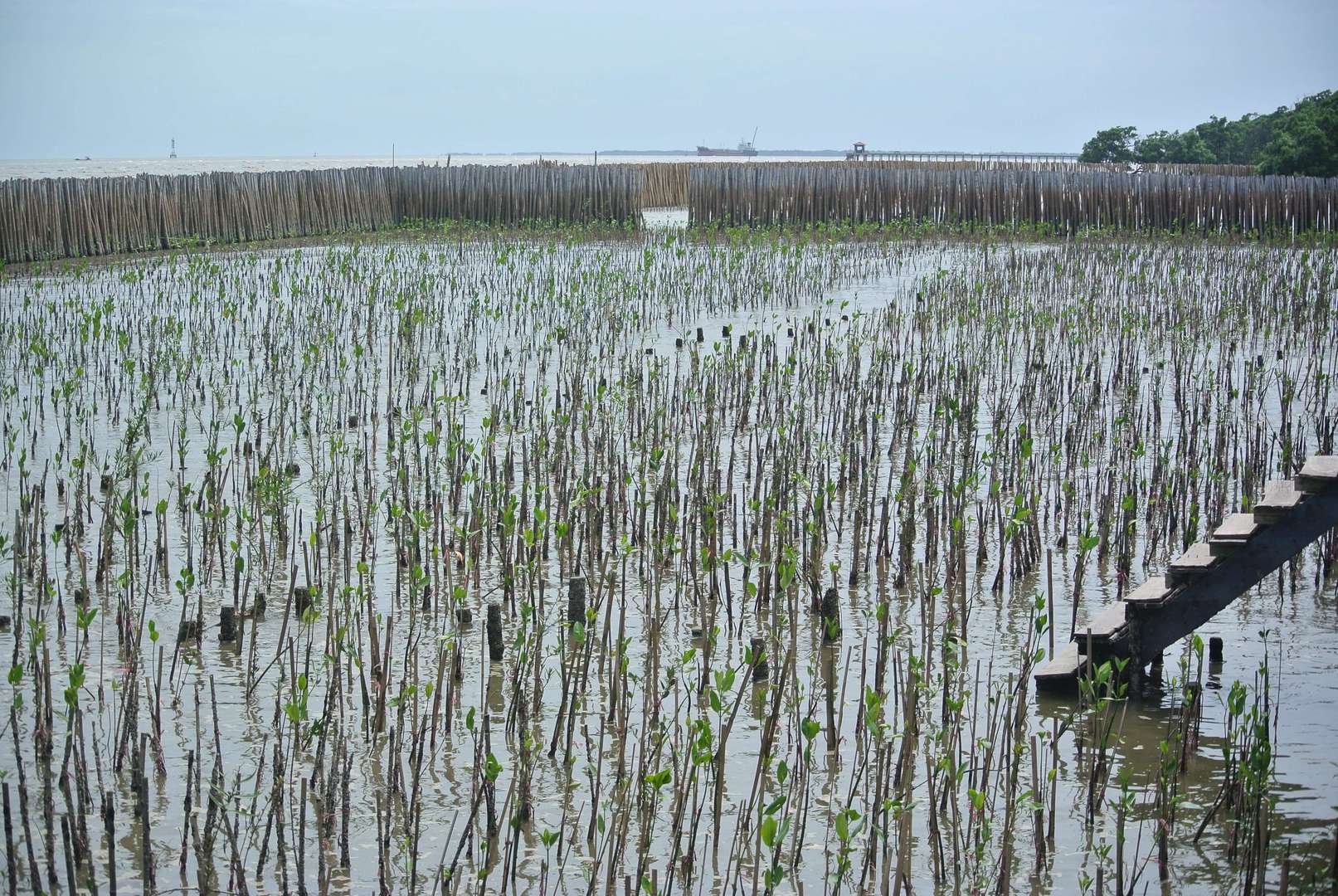
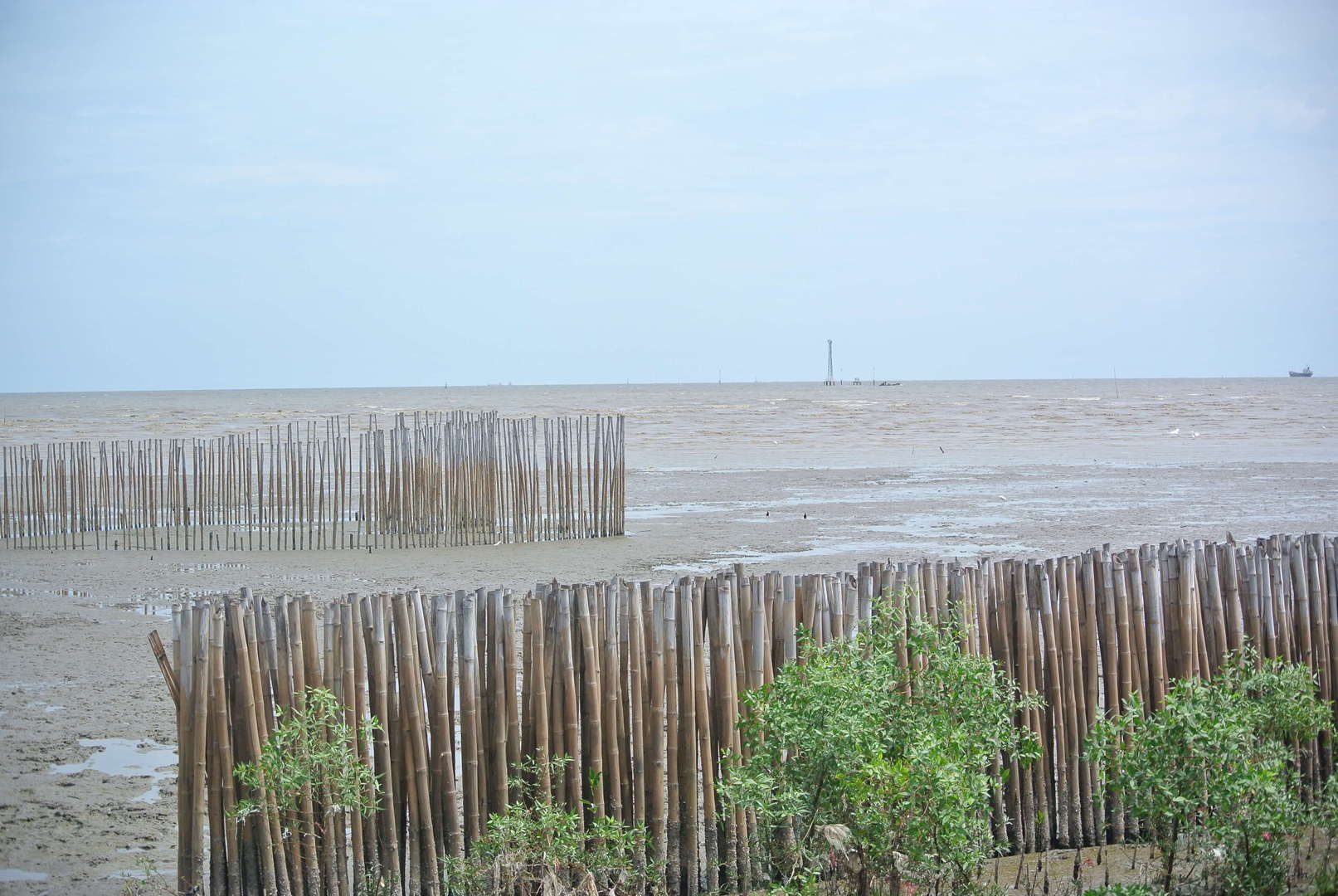
The area also provides a fascinating introduction to the coastal ecosystems of the Gulf of Thailand. Mangrove forests help protect the shoreline from erosion while serving as breeding grounds for fish, crabs and countless marine species.
Several walkways and observation areas allow visitors to explore these habitats and discover wildlife adapted to the tidal environment.
Depending on the season, visitors may spot mudskippers, crabs and a variety of shorebirds feeding along the mudflats.
How to get to Bang Pu from Bangkok
By BTS Skytrain
The easiest option is to take the BTS Sukhumvit Line to Kheha Station, the current southern terminus of the network.
From there, visitors can continue by local songthaew, taxi or ride-hailing service.
By Grab or Taxi
A direct journey from central Bangkok usually takes between 45 minutes and one hour depending on traffic conditions.
By Car
The site offers large free parking areas for both cars and motorcycles.
What to see near Bang Pu
Samut Prakan Province offers several attractions that can easily be combined with a visit to Bang Pu.
Muang Boran (Ancient City)
Thailand’s largest open-air museum features scale replicas of famous monuments from across the country.
Wat Asokaram
This unique temple is famous for its striking group of white stupas that dominate the surrounding landscape.
Samut Prakan’s Coastal Wetlands
The province contains several lesser-known birdwatching areas, mangrove forests and coastal ecosystems that remain largely undiscovered by international visitors.
Practical Information
- Free admission
- Free shuttle service along the pier
- Seaside restaurant
- Free parking
- Open daily from 8:00 AM to 8:00 PM
- Restaurant open daily from 10:00 AM to 8:00 PM
- Address: Bang Pu Recreational Center, Samut Prakan 10280, Thailand
FAQ: Visiting Bang Pu Near Bangkok
Where is Bang Pu located?
Bang Pu is located in Samut Prakan Province, approximately 40 kilometres southeast of central Bangkok.
Can you see the seagulls all year round?
No. The largest numbers of migratory birds are usually present between November and February.
Is Bang Pu free to visit?
Yes. Admission to the site and access to the pier are free.
How long should I spend at Bang Pu?
Most visitors spend between 1.5 and 3 hours exploring the pier, watching the birds and enjoying the coastal scenery.
Is Bang Pu worth visiting?
Absolutely. It is one of the easiest and most rewarding nature escapes from Bangkok, particularly for birdwatchers, photographers and travellers seeking a quieter side of the capital region.
!View of the Chao Phraya estuary from Bang Pu Recreation Center](/images/2018/12/Bang-Pu-Recreational-Center-mouettes-iode-et-horizon-9.jpg)