

Bangkok Layover? Thailand Plans Free Tours for Transit Passengers
A long layover in Bangkok could soon become an opportunity to leave the airport and discover Thailand. The country is preparing a programme of short tours for transit and connecting passengers, with a pilot launch planned for early 2027.
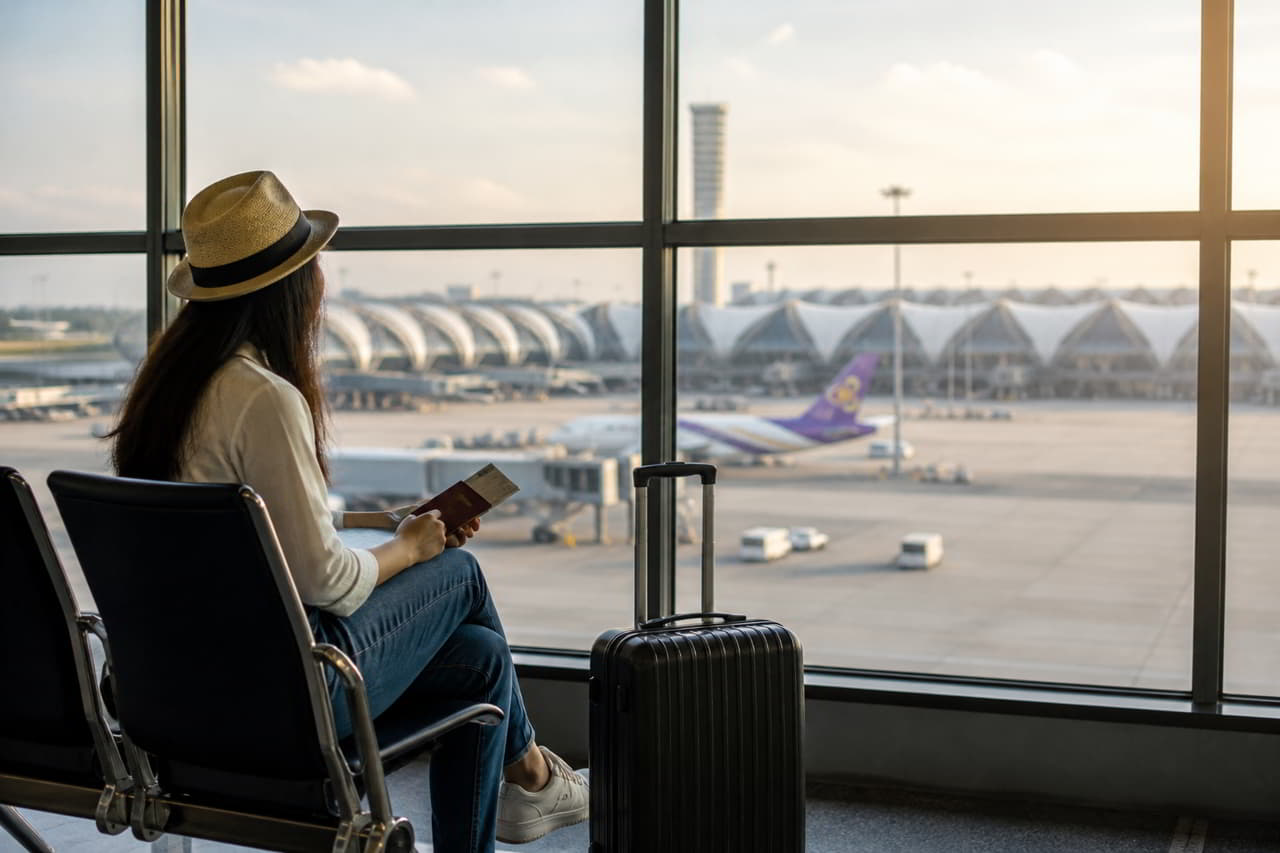
Thailand wants to turn Bangkok layovers into short trips
Thailand wants to turn the time spent between flights into a genuine tourism experience. On 5 October 2026, the Ministry of Transport, the Tourism Authority of Thailand (TAT), airport authorities, airline representatives, Thai Airways, a company linked to Suvarnabhumi Airport and Kasetsart University signed a Letter of Intent (LOI) to develop the initiative.
The programme is called Amazing Thailand Transfer Passenger Privilege. Its aim is to allow certain international passengers waiting for connecting flights to leave the airport, take a short excursion in Thailand and return in time for their next flight.
The proposed tours will need to be designed around the time available, with particular attention to safety and getting passengers back to the airport in time.
A programme aimed at passengers with longer layovers
The information released so far indicates that the project is intended, in particular, for travellers with layovers of around six to eight hours or longer.
This could be relevant to passengers using Bangkok as a connecting hub for journeys across Asia and beyond. Travellers flying between Europe and destinations in Northeast Asia or the Pacific region may be among those interested in the initiative.
For example, passengers travelling to Japan, Australia, New Zealand or New Caledonia via Bangkok may find the programme useful. However, these routes have not been officially identified as priority markets, and eligibility will depend on the final programme conditions.
What could you visit during a Bangkok layover?
The final itineraries have not yet been announced. The TAT still needs to work with its local partners to develop the routes and determine how the excursions will operate.
Three types of experiences have already been presented:
- City Express: short sightseeing trips to landmarks and neighbourhoods, potentially including the Grand Palace and Temple of the Emerald Buddha and Ancient City in Samut Prakan.
- Food Express: experiences centred on Thai cuisine and street food.
- Wellness Express: spa treatments, traditional Thai massage and other wellness activities. This may be the most appealing option for travellers who still have several hours of flying ahead of them.
These are proposed types of experiences, not a confirmed list of tours available to book. Destinations, schedules, registration procedures and the precise conditions have yet to be finalised.
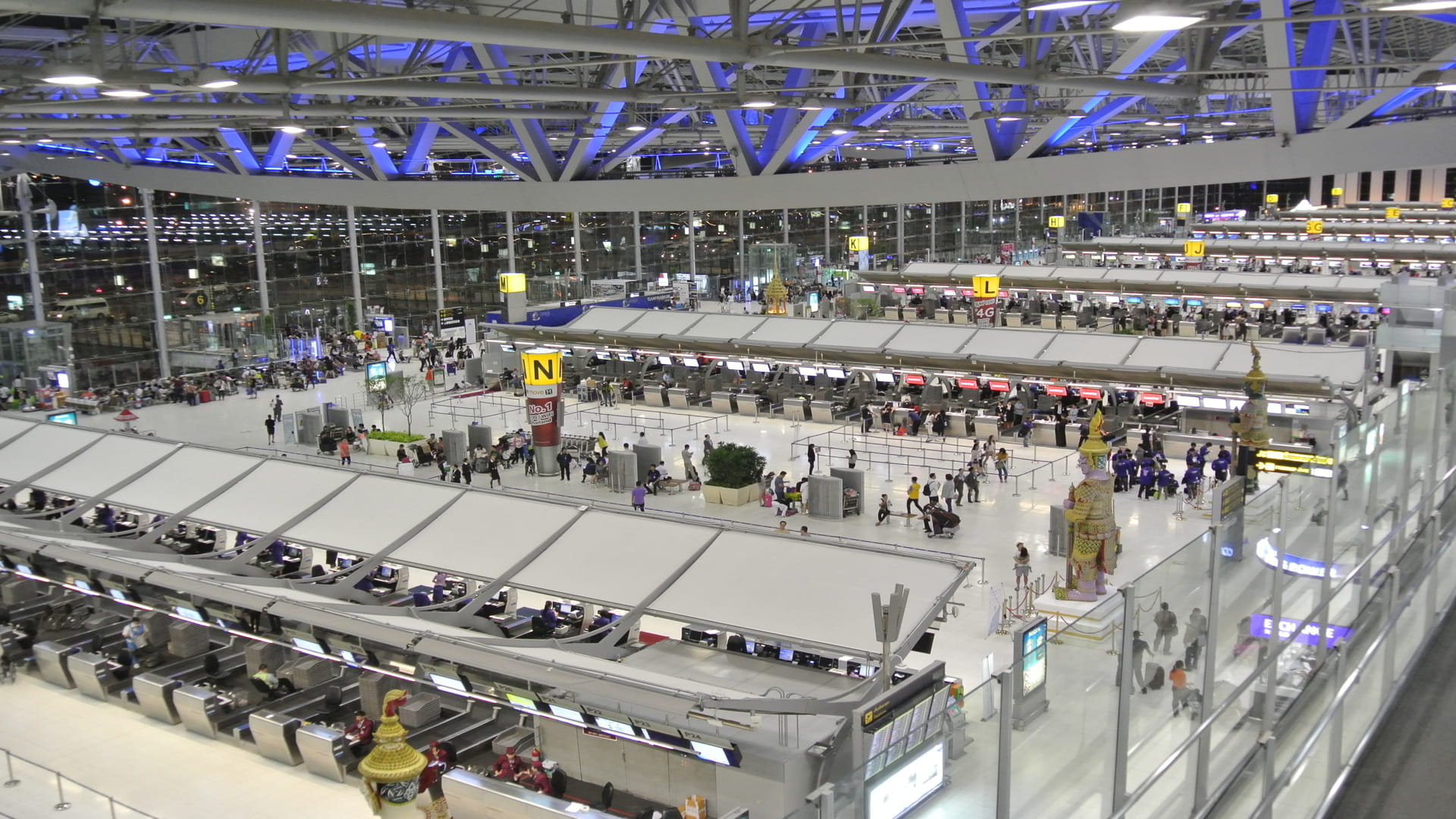
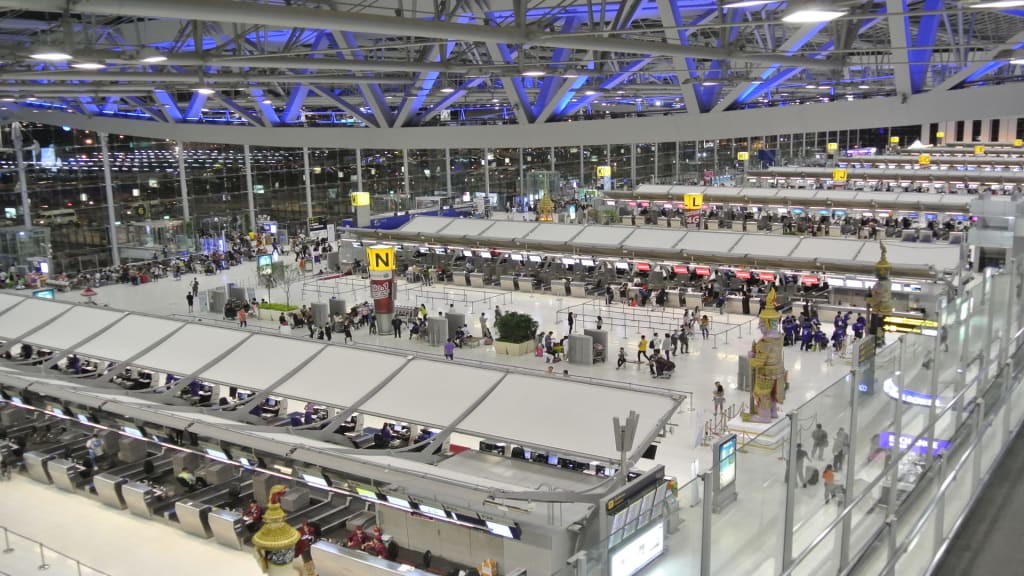
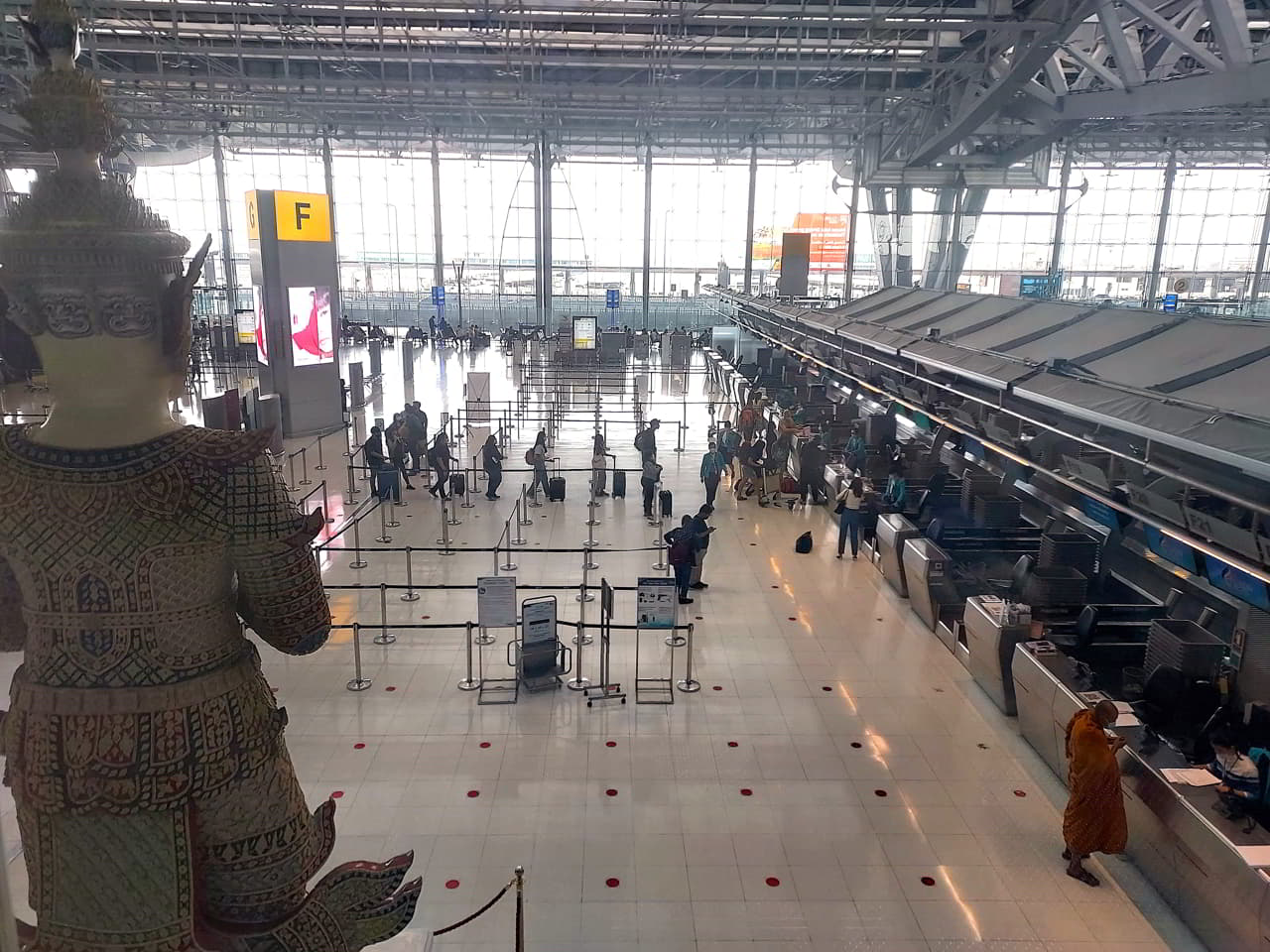
Suvarnabhumi Airport at the centre of the project
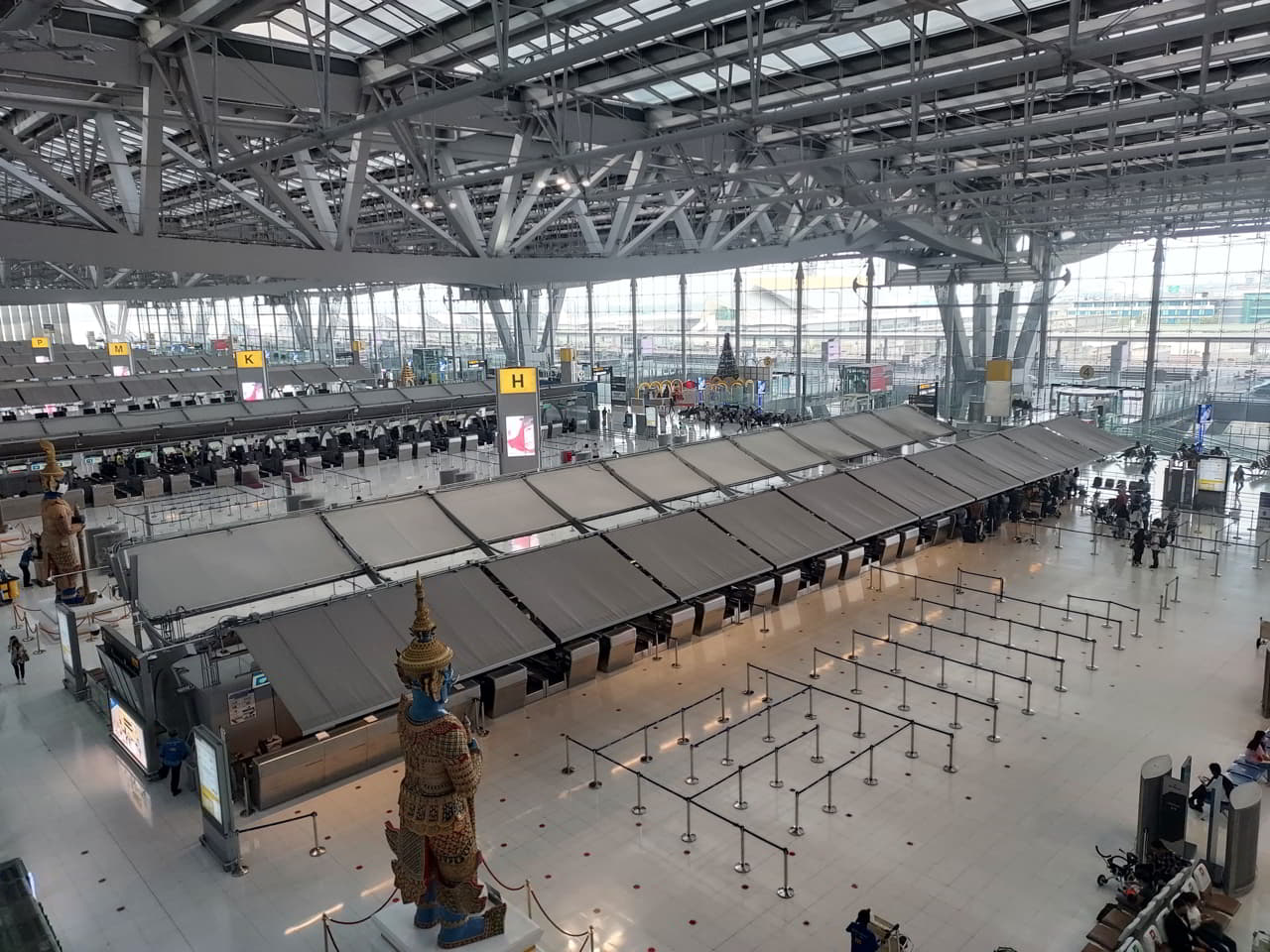
Suvarnabhumi Airport (BKK) is expected to play a central role in the initiative. According to figures cited by Thai authorities, around 1.3 million transit and connecting passengers pass through the airport each year. The TAT initially aims to attract approximately 10% of this group to the new tourism experiences.
Don Mueang, Phuket and Krabi airports are also expected to participate in the project. Each airport will need an approach suited to its location and the attractions within reach.
The pilot programme is scheduled to begin in early 2027, although an exact launch date has not yet been announced.
Can you leave Bangkok airport during a layover?
This is an essential question for anyone considering a Bangkok stopover. The new programme does not, by itself, change Thailand’s immigration rules.
Passengers who remain in the international transit area without passing through immigration are in a different situation from those who leave the airport and enter Thailand. To take part in a future excursion, travellers will need to be legally eligible to enter Thailand.
The Thailand Digital Arrival Card (TDAC) is also relevant. According to Thailand’s Immigration Bureau, foreign passengers who remain in transit without passing through immigration do not need to complete a TDAC. Travellers who enter Thailand must complete one.
Visa and visa-exemption requirements will continue to depend on each passenger’s nationality and individual circumstances. Participation in a tourism programme does not automatically grant permission to enter the country.
An interesting idea for transit passengers, but not available yet
Thailand is not yet offering these tours to passengers travelling through Bangkok. The pilot programme is expected to start in early 2027, and the authorities are still working on the itineraries, procedures and practical arrangements.
For someone with a long Bangkok layover, the idea is straightforward: instead of spending several hours inside the terminal, part of that time could soon be used to experience Bangkok or its surroundings before continuing the journey.
For travellers connecting through Bangkok on their way to or from Japan, Australia, New Zealand, New Caledonia and other Asia-Pacific destinations, the programme could become worth watching when planning a future trip.
However, many practical questions remain unanswered. How much time will passengers need to clear immigration and reach the sightseeing locations? How long will they actually have to visit the attractions? Will the schedule allow enough time to enjoy a place, or will passengers have to rush from one stop to another?
Will six to eight hours really be enough for a Bangkok layover tour?
The arrival time will also make a difference. Landing at 5 am is not necessarily ideal for sightseeing, whether because attractions may not yet be open or simply because passengers may be tired after a long flight.
Jet lag and the difference in temperature between the departure point and Thailand may also affect how much travellers want to do during their stopover.
Then there is the most important practical question: who will be responsible if a tour runs late and a passenger misses their connecting flight? The arrangements for delays, missed connections and the return journey to the airport have not yet been clearly established.
There are therefore many unknowns to resolve before the idea becomes a workable service. It sounds attractive on paper, but the success of the programme will depend on details that can make all the difference in practice: transport times, traffic conditions, opening hours, immigration procedures and a sufficient safety margin before the next flight.
For now, travellers should wait for the official conditions before deliberately booking a long Bangkok layover with the intention of joining one of these tours.