

Thailand Closes Similan Islands Again as Tourism Pressure Grows
Written by the editors of theo-courant.com, your reference guide to Thailand and South-East Asia - based in Bangkok, at the heart of Thai culture.

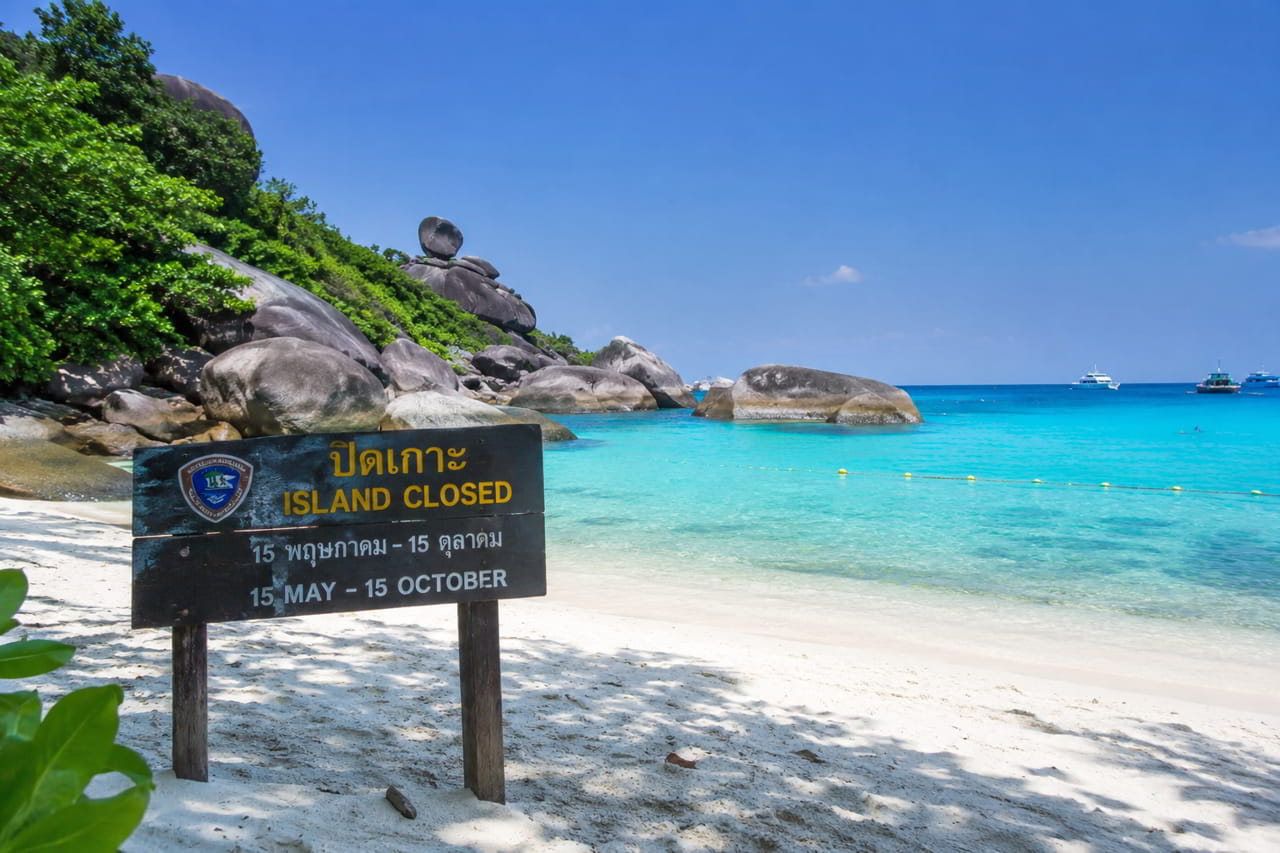
Thailand has once again closed access to the famous Similan and Surin Islands ahead of the monsoon season.
The annual shutdown affects tourists, divers, tour operators and local businesses across southern Thailand.
Thailand Temporarily Shuts Down the Similan and Surin Islands
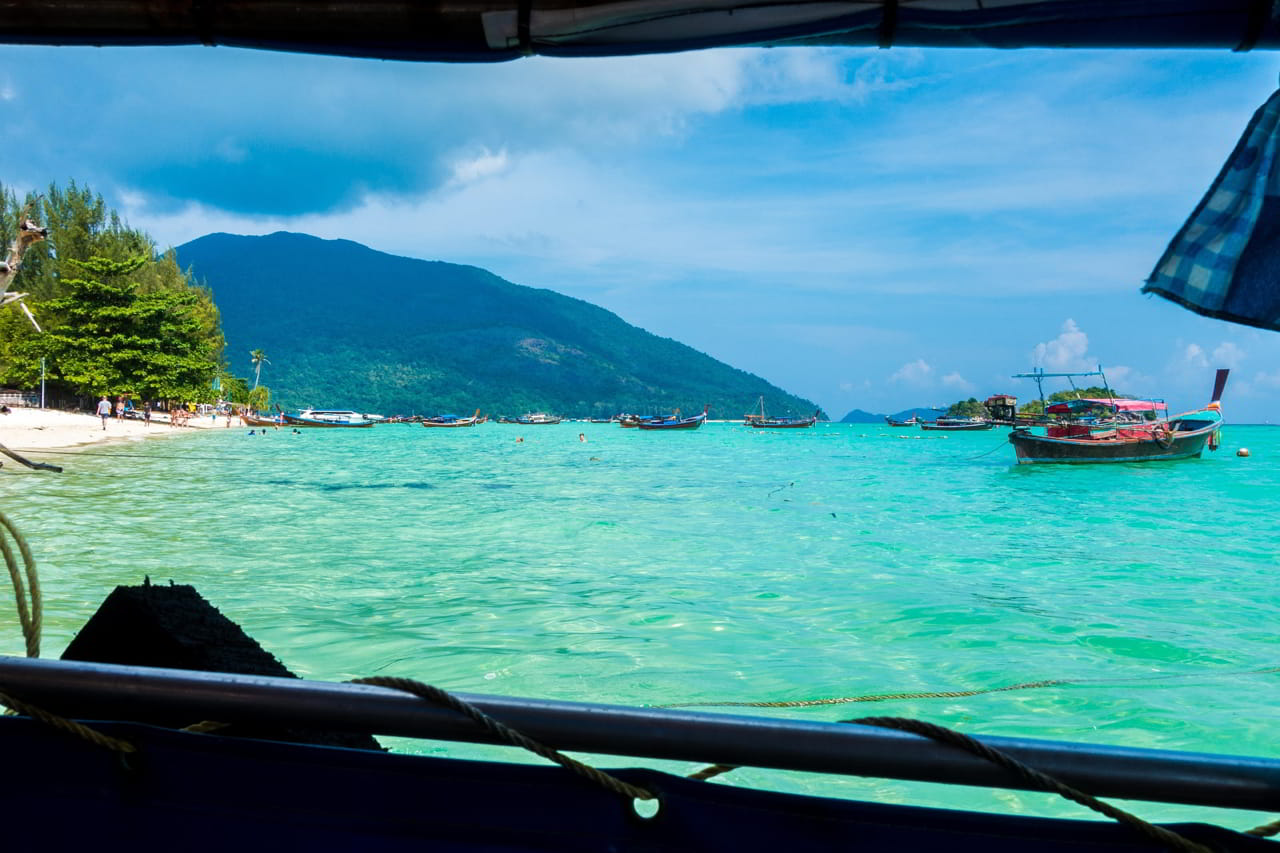
Thai authorities have officially announced the seasonal closure of Mu Ko Similan and Mu Ko Surin National Parks in the Andaman Sea, off the coast of Phang Nga province.
The measure, enforced every year during the southwest monsoon season, suspends all tourism activities across both archipelagos. Day trips, liveaboard cruises, diving excursions, snorkeling tours and overnight stays are no longer permitted while the parks remain closed.
For Thai authorities, the closure has become essential for both safety and environmental protection.
During the monsoon season, sea conditions in the Andaman Sea can rapidly deteriorate. Strong winds, heavy rain, rough waves and dangerous currents frequently disrupt marine transport around Phuket, Khao Lak and Phang Nga. Small tourist boats are particularly exposed during this period.
But beyond safety concerns, the real objective is ecological recovery.
Why Thailand Is Protecting the Similan Islands More Strictly
The Similan Islands have become one of Thailand’s most iconic marine destinations over the past decade. Known for crystal-clear waters, white sand beaches and world-class diving sites, the islands attract large numbers of visitors every high season.
Before the pandemic, some areas were receiving thousands of tourists per day. Speedboats, snorkeling tours and diving operators crowded fragile coral zones on a daily basis, creating growing pressure on the marine ecosystem.
Thai authorities have gradually responded by tightening environmental rules in national parks and marine protected areas.
The annual closure now serves several purposes:
- allowing coral reefs to regenerate;
- protecting marine biodiversity during breeding periods;
- cleaning beaches and underwater areas;
- repairing damaged infrastructure;
- preparing stricter visitor management systems for reopening.
Thailand increasingly presents these measures as part of a broader sustainable tourism strategy.
The Maya Bay Example Still Shapes Thailand’s Tourism Policy
The management of the Similan Islands is heavily influenced by what happened at Maya Bay. The beach became internationally famous after the release of the film, but over time uncontrolled tourism caused severe environmental damage to coral reefs and coastal ecosystems.
Thai authorities eventually decided to completely close Maya Bay for several years to allow nature to recover.
Since reopening, strict regulations have been introduced:
- daily visitor quotas;
- limited visiting hours;
- restrictions on boats entering the bay;
- stronger environmental monitoring.
The experience became a turning point for Thailand’s tourism authorities and now influences the management of several marine national parks across the country.
What the Closure Means for Travelers
For travelers planning trips to Phuket, Khao Lak or Phang Nga during the summer months, the closure can significantly affect itineraries.
Many tourists still book trips months in advance without realizing that the Similan Islands close every year during monsoon season. Some only discover the restrictions after arriving in Thailand.
The local tourism economy around Khao Lak is particularly dependent on Similan-related activities during the high season.
During the closure period:
- many diving centers reduce operations;
- some hotels temporarily close;
- tour companies suspend island excursions;
- tourism activity slows considerably.
However, the low season is also used for maintenance, environmental restoration and infrastructure upgrades.
Which Thai Islands Can Still Be Visited During This Period?
The closure only affects certain marine national parks in the Andaman Sea. Many other destinations remain accessible during the summer season.
Gulf of Thailand Islands Often Offer Better Weather
Between June and September, travelers often choose islands in the Gulf of Thailand, where weather conditions are generally more stable.
Popular alternatives include: Koh Samui, Koh Phangan, Koh Tao.
Unlike the Andaman coast, the Gulf of Thailand follows a different weather cycle, often making it a better option during the middle of the year.
These islands also attract travelers looking for quieter beaches and lower hotel prices during the European summer period.
Thailand’s Tourism Strategy Is Changing
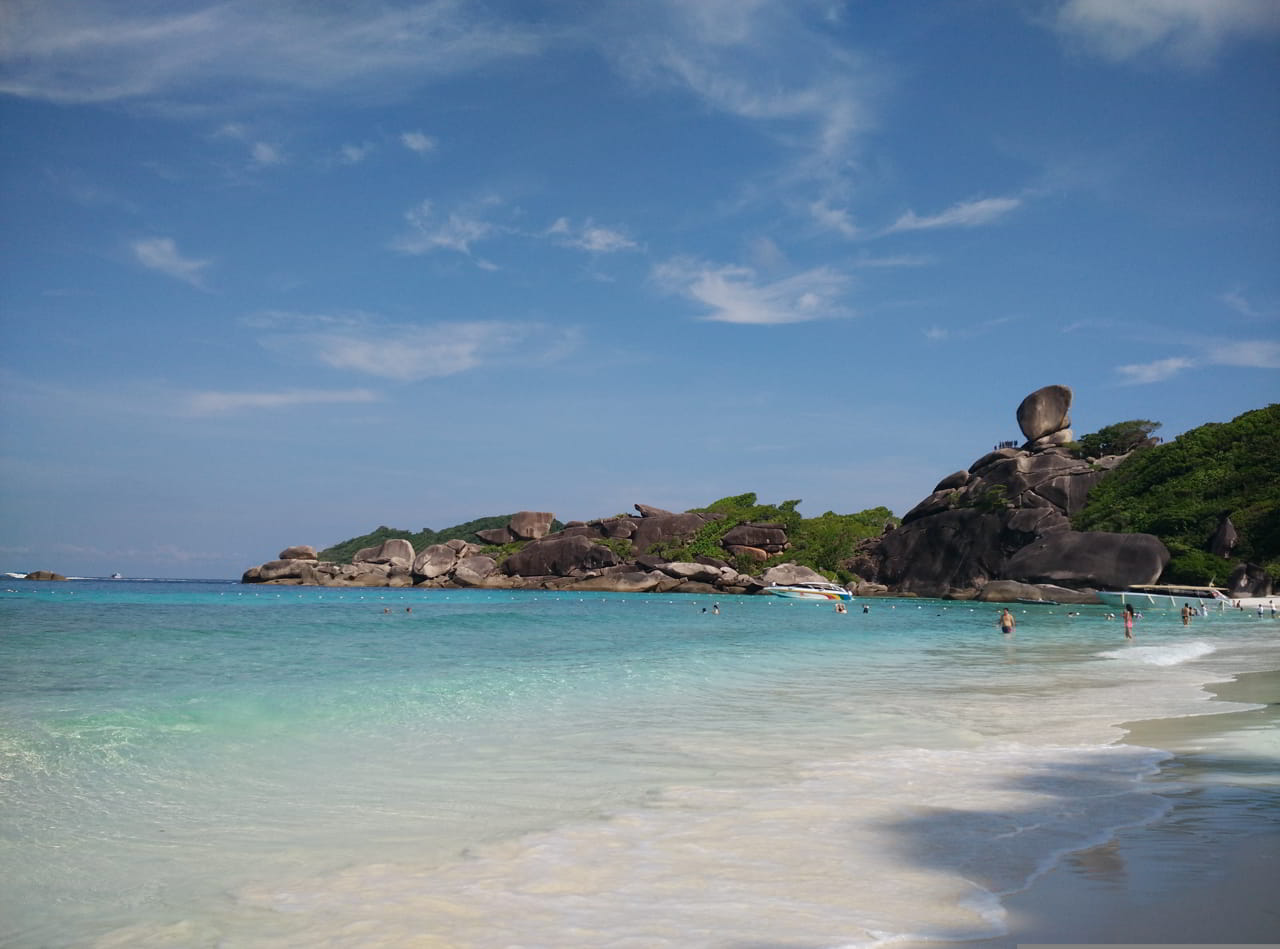
The annual closure reflects a wider transformation of Thailand’s tourism industry.
In recent years, Thai authorities have increasingly emphasized:
- sustainable tourism;
- higher-value travelers;
- environmental protection;
- longer stays;
- better management of overcrowded destinations.
The shift became even more visible after the Covid-19 pandemic, when several natural sites experienced visible ecological recovery during the absence of mass tourism.
Thailand is now trying to balance two major priorities: maintaining its position as one of Asia’s leading tourism destinations while preserving fragile ecosystems increasingly threatened by overtourism.
Important Things to Check Before Booking
Travelers planning a trip to southern Thailand should always verify seasonal closure periods before reserving excursions.
| Essential Information | Details |
|---|---|
| Areas affected | Similan and Surin Islands |
| Activities suspended | Diving, snorkeling, tours and overnight stays |
| Main reason | Monsoon safety and environmental protection |
| Region concerned | Phang Nga province |
| Closure period | During the annual monsoon season |
Official dates can vary slightly depending on weather conditions and decisions made by Thailand’s national park authorities.
Best Time to Visit the Similan Islands
The ideal season to visit the Similan Islands usually runs from November to April.
During this period:
- the sea is calmer;
- underwater visibility is excellent;
- diving conditions are optimal;
- boat excursions operate normally.
December to February is generally considered peak season.
FAQ – Thailand Similan Islands Closure
Why are the Similan Islands closed every year?
Thailand closes the islands during monsoon season to protect coral reefs and reduce safety risks caused by rough sea conditions.
Can tourists stay overnight in the Similan Islands during the closure?
No. Accommodation, tours and all tourism activities are suspended during the annual closure period.
Are diving trips to the Similan Islands cancelled?
Yes. Diving and snorkeling activities are completely halted while the marine parks are closed.
Which Thai islands are better during monsoon season?
Many travelers choose Koh Samui, Koh Phangan and Koh Tao because weather conditions are often better during summer months.
Could Thailand introduce stricter visitor limits in the future?
Thailand is gradually reinforcing environmental regulations in several national parks to reduce the long-term impact of mass tourism.