


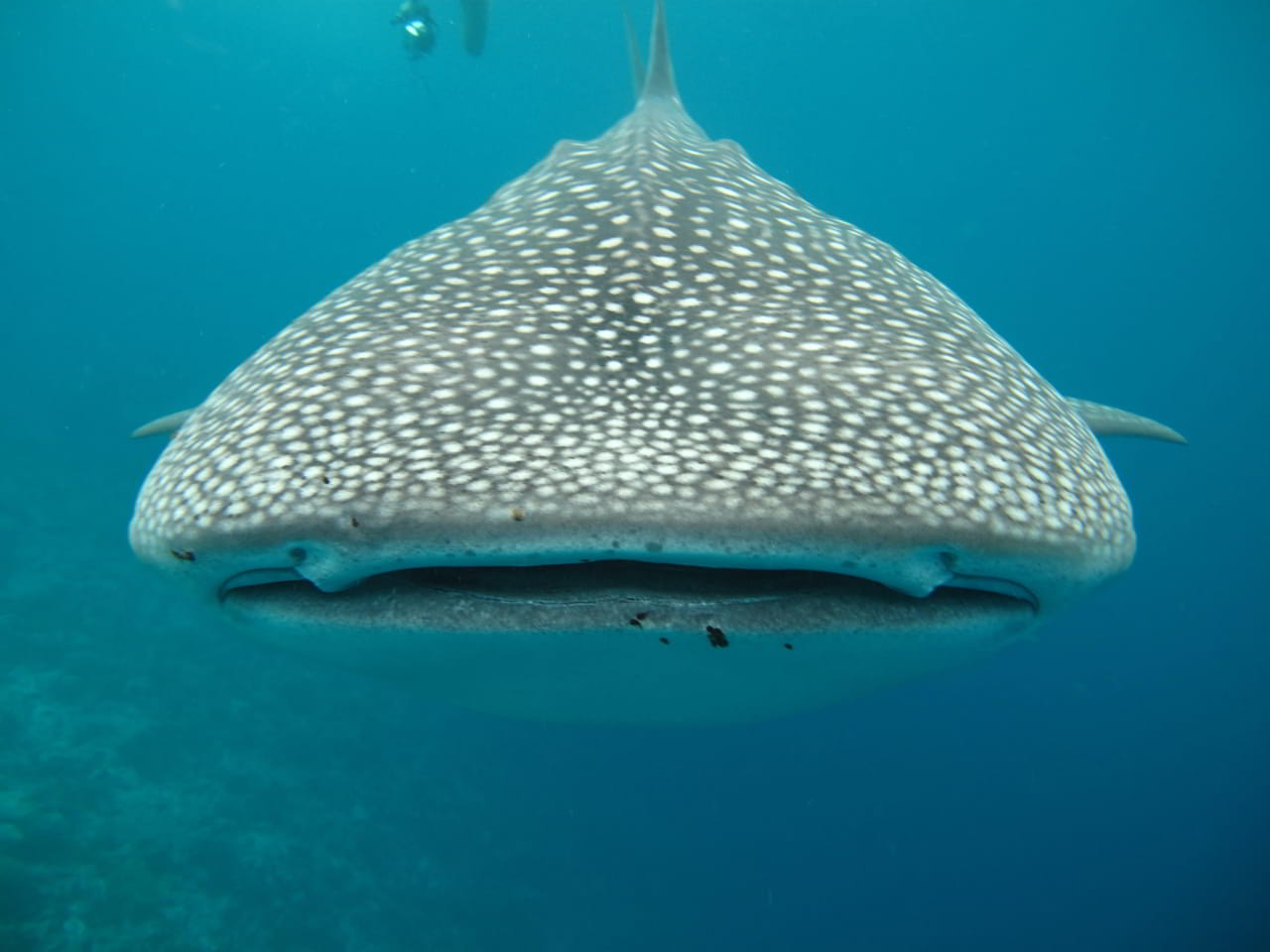
Thailand: Whale Sharks and Dolphins Are Making a Comeback
Written by the editors of theo-courant.com, your reference guide to Thailand and South-East Asia - based in Bangkok, at the heart of Thai culture.

In mid-March 2026, two rare marine sightings were reported in southern Thailand: a whale shark near Phi Phi and more than 120 dolphins in the Similan Islands.
A decade ago, these scenes would not have made headlines. Today, they signal something more important — a slow and fragile ecological recovery.
Rare sightings… or a return to normal?
Whale shark spotted near Phi Phi Islands
On March 14, 2026, a whale shark (Rhincodon typus), estimated at 3 to 5 meters, was seen near Koh Bida Nai and Koh Bida Nok in Hat Noppharat Thara–Mu Ko Phi Phi National Park (Krabi).
The animal briefly surfaced, drawing attention from tourists. Park rangers quickly issued instructions: keep a safe distance, avoid noise, and do not attempt interaction.
Whale sharks, the largest fish in the ocean, were once more commonly observed in Thai waters. Their rarity today reflects years of environmental pressure.
A dolphin “super pod” in the Similan Islands
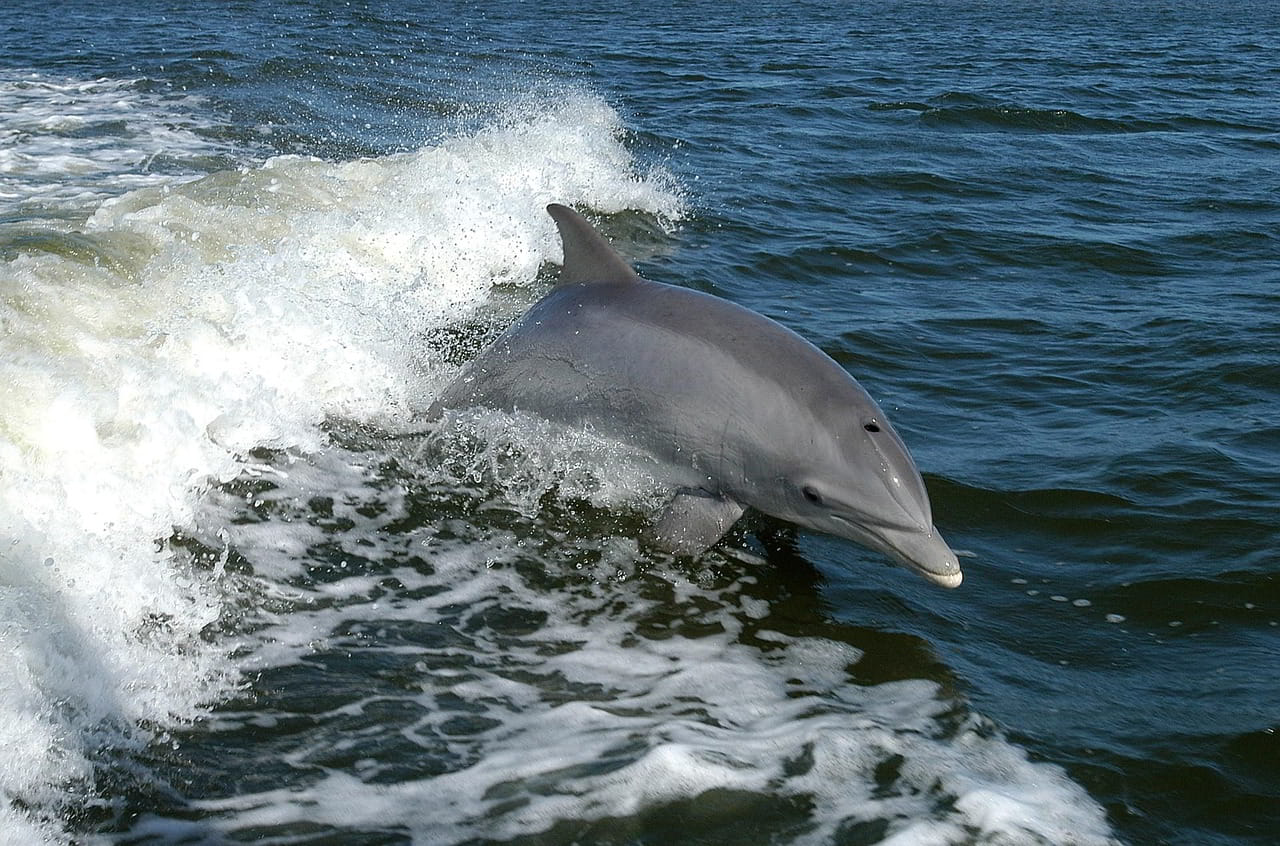
Just one day later, on March 15, 2026, over 120 Indo-Pacific bottlenose dolphins were observed near Koh Tachai in the Similan Islands National Park.
This formation, known as a super pod, is highly unusual. Dolphins typically travel in groups of 10 to 20 individuals.
Some swam alongside patrol boats, others leapt clear of the water. Beyond the spectacle, the message is clear: marine life is returning where conditions allow.
Why marine life is returning
Tourism restrictions are finally making a difference
These sightings are not random. They are the direct result of conservation measures implemented in recent years:
- strict limits on visitor numbers,
- seasonal closures of fragile marine areas,
- regulated boat routes and speeds,
- increased monitoring of marine species.
Locations such as Maya Bay, once overwhelmed by mass tourism, are now tightly controlled.
Improved — but uneven — waste management
Authorities also highlight better marine waste control. Reduced plastic pollution and fewer disturbances have created conditions more favorable to marine life.
However, progress remains inconsistent across regions.
What these events really tell us about the ocean
Not a miracle — a partial recovery
These sightings are often described as exceptional. In reality, they reflect a partial return to what used to be normal.
Before overtourism and pollution, whale sharks were more frequently seen, large dolphin groups were common, and marine biodiversity was significantly richer. Nature is not rebounding — it is attempting to stabilize.
A fragile and reversible balance
The presence of whale sharks and large dolphin groups indicates a functioning food chain, sufficient plankton and fish stocks, and relatively healthy water conditions.
But this balance remains fragile. Increased tourism pressure or pollution could quickly reverse these gains.
Responsible travel: what visitors must do
Basic rules when encountering marine wildlife
Thai authorities and international guidelines recommend:
- maintain a safe distance,
- reduce boat speed,
- never chase or surround animals,
- do not feed or touch wildlife,
- minimize noise.
These are not optional guidelines — they directly impact animal survival.
Choose ethical tour operators
Not all tours follow best practices, so travelers should look for licensed operators working with national parks, guides trained in marine conservation, and small-group excursions with clear safety rules.
Poorly managed tourism can undo years of conservation in a short time.
Plastic pollution in Thailand: the unresolved issue
A country still heavily reliant on single-use plastic
Despite visible efforts, Thailand remains one of Southeast Asia’s largest consumers of plastic.
Single-use packaging, bottles, and bags are still widely used, especially in tourist areas. A significant portion ends up in the ocean.
Slow progress on environmental policies
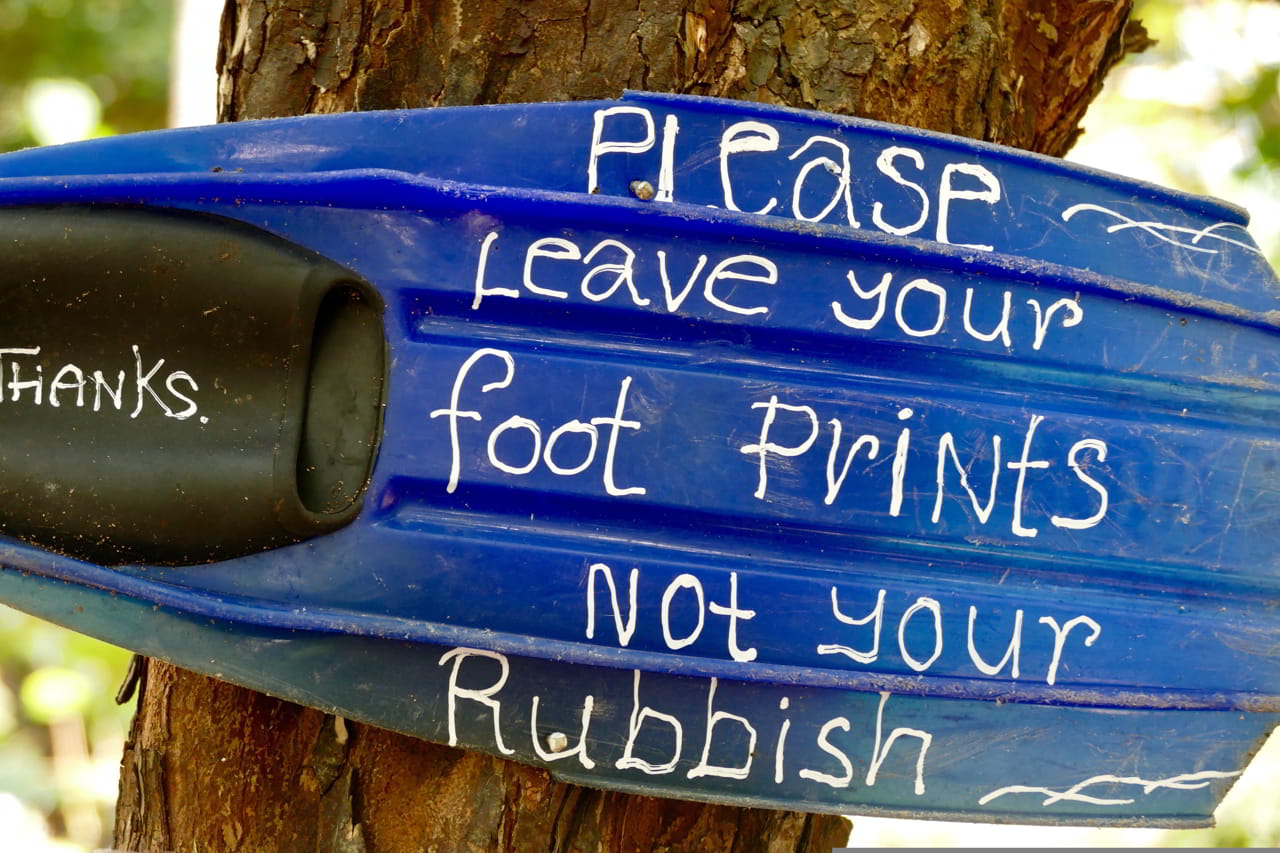
Initiatives do exist, however, such as partial bans on plastic bags, but recycling schemes take a very long time to get off the ground. Generally speaking, environmental policies remain patchy and are often limited to large cities.
Coastal and island waste management remains a structural challenge.
Why this matters for travelers
Every piece of litter can disrupt the marine food chain, injure or kill animals, and damage coral reefs.
It is clear, then, that every small step counts when it comes to reducing our use of plastic (water bottles, reusable bags, saying no to straws). These are simple but essential steps.
Simple actions matter: carry a reusable bottle, refuse plastic bags, avoid unnecessary packaging.
–
FAQ: marine wildlife in Thailand
Can you see whale sharks in Thailand?
Yes, especially around Krabi, Koh Tao, and the Similan Islands. However, sightings are rare and unpredictable.
Are dolphins common?
Dolphins are present in several regions, but large formations like “super pods” are exceptional.
Is it allowed to swim with them?
No. Interacting with marine wildlife is strictly prohibited in national parks.
When is the best time to observe marine life?
The dry season (November to April) offers the best visibility and sea conditions.
Is tourism compatible with conservation?
Yes — but only when strictly regulated. Without control, tourism becomes a direct threat.
Animals in Thailand
Elephants, monkeys, crocodiles… from vibrant local festivals to urgent conservation issues, explore all our articles on wildlife at the heart of Thai traditions and travel experiences.