


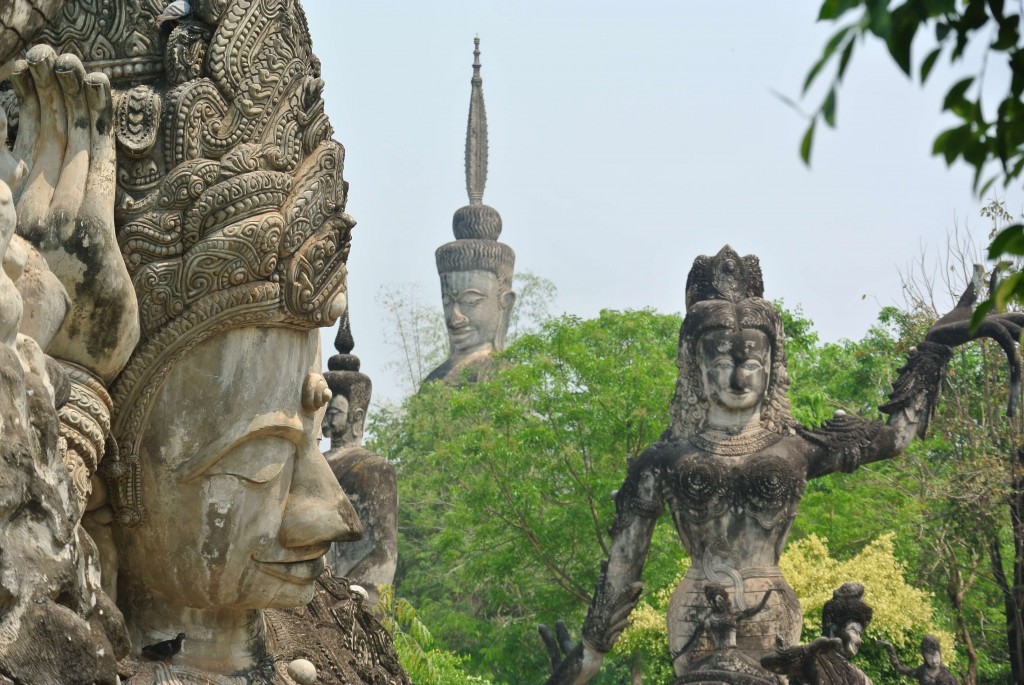
Sala Keoku in Nong Khai: Thailand’s Mysterious Sculpture Park
Strange and fascinating, Sala Keoku Sculpture Park is one of those places where it is hard to tell whether the site was born from madness or pure creative genius. A visit to an unusual park near Nong Khai.
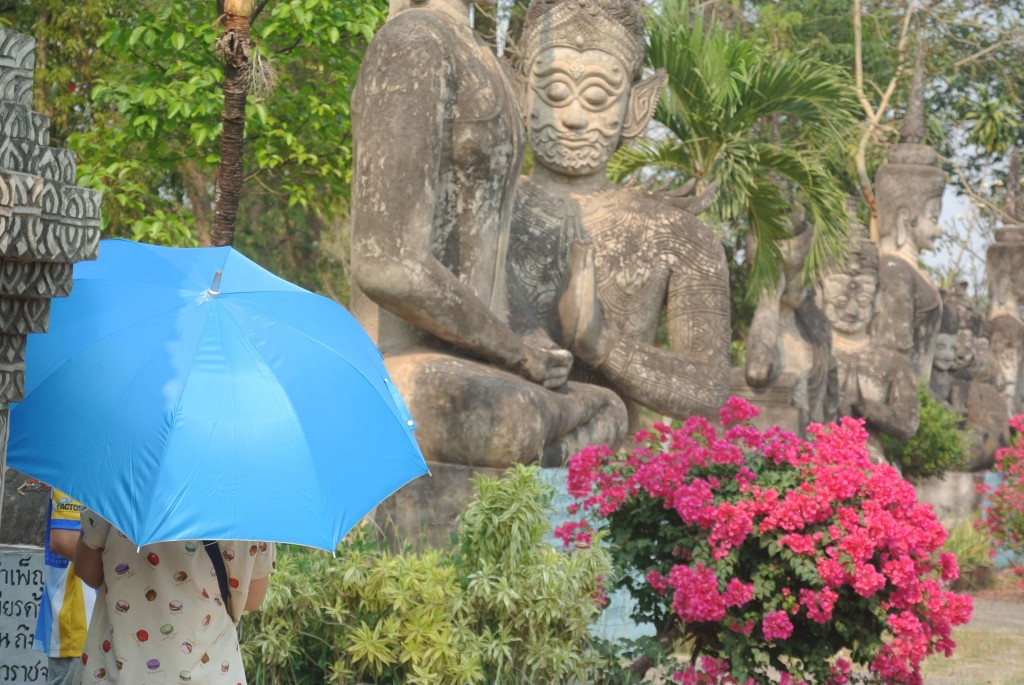
Sala Keoku: a unique sculpture park in Nong Khai
The park is located just a few kilometres from the centre of Nong Khai. Until a few years ago, it stood isolated among fields and open land, far from any urban development. That sense of remoteness has now largely disappeared.
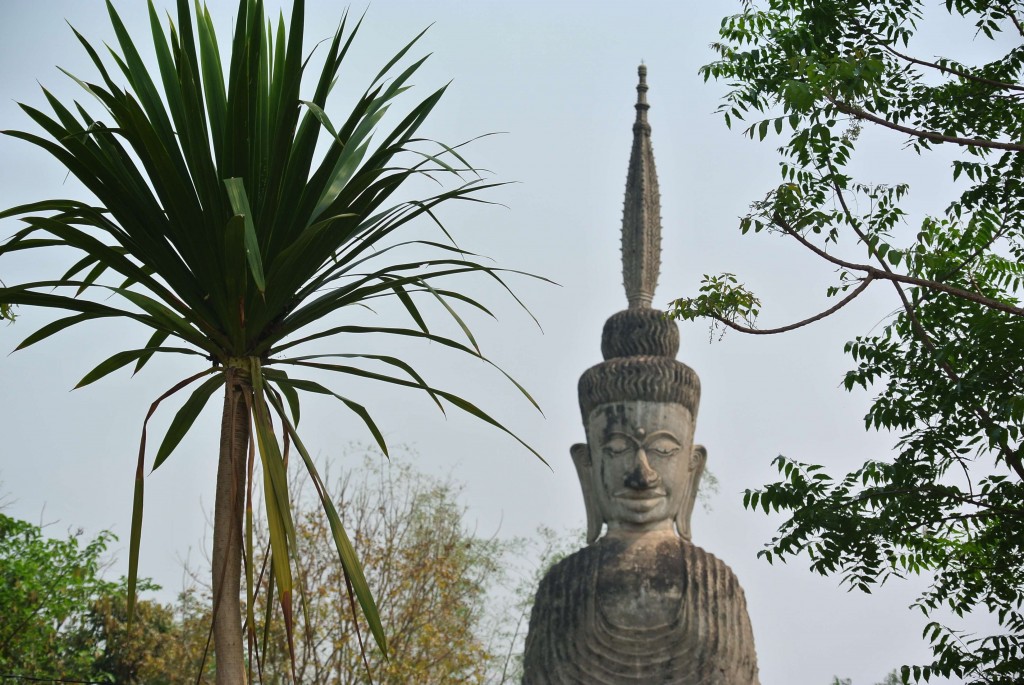
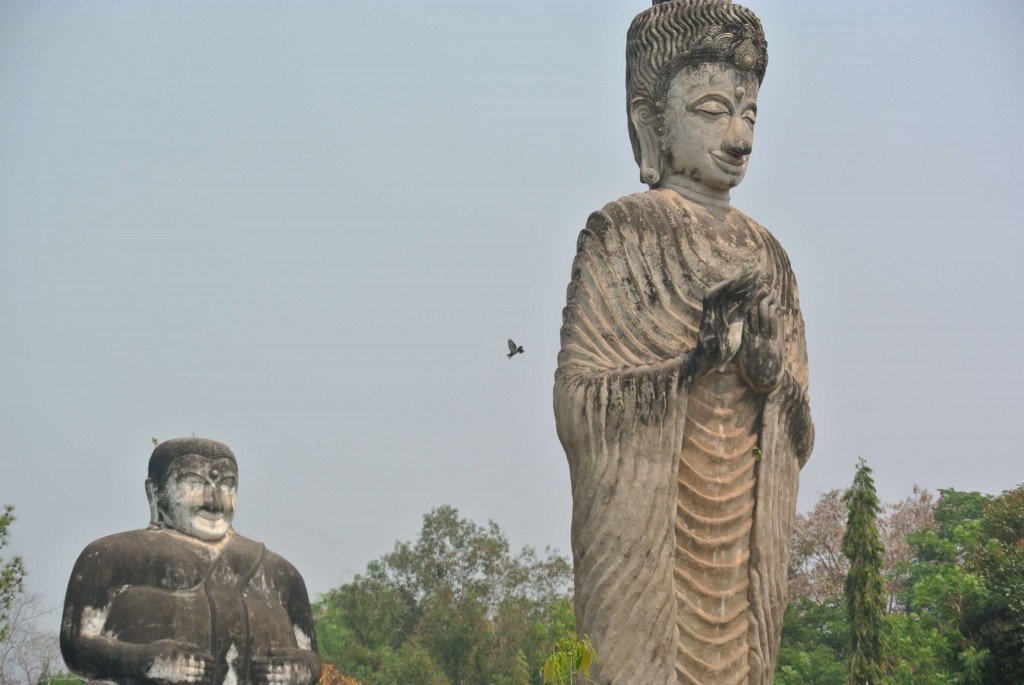

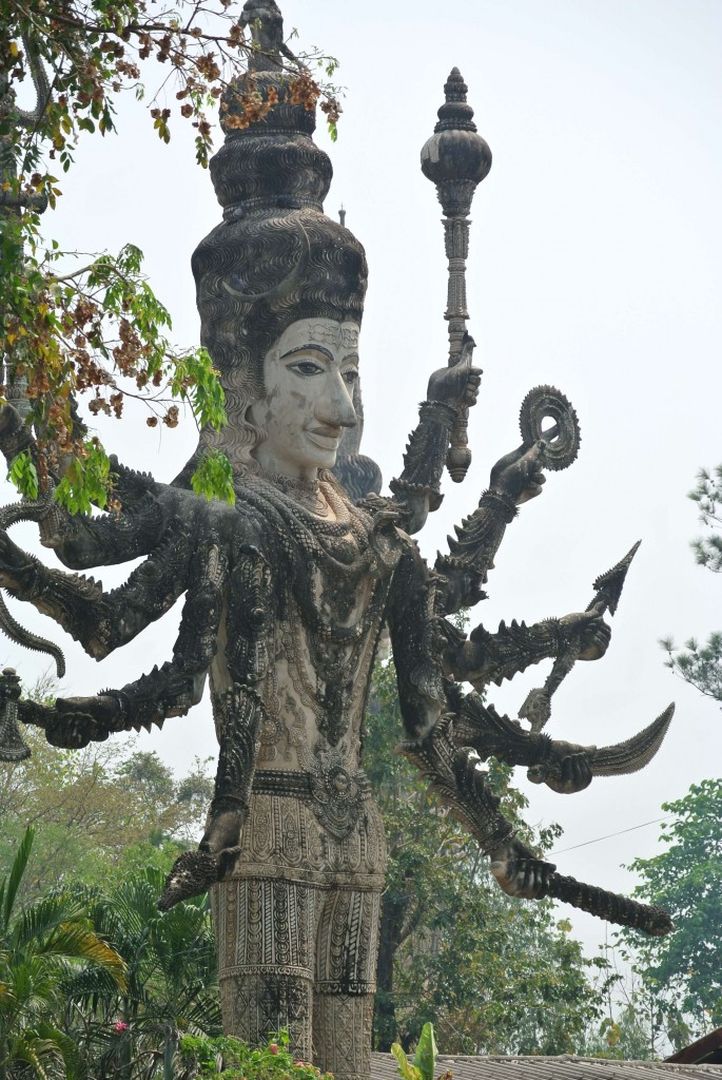
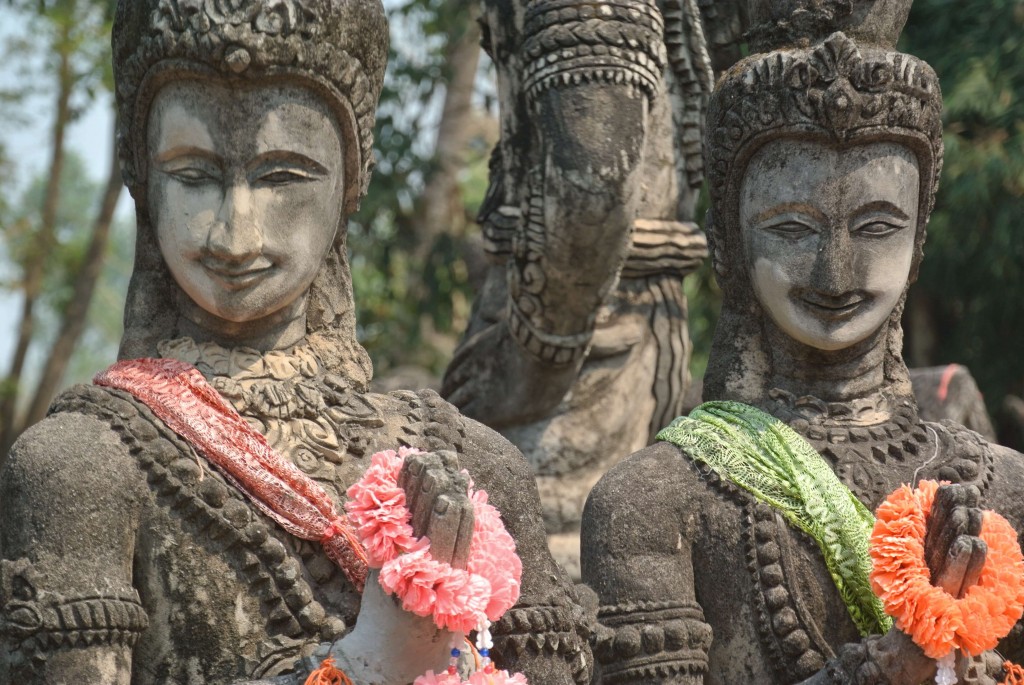
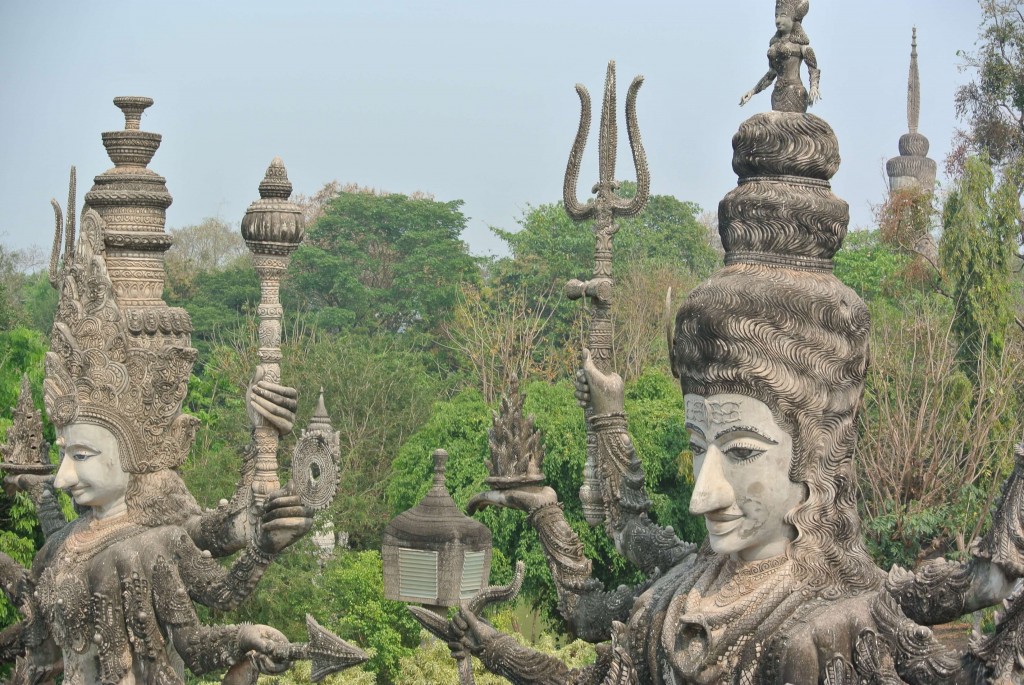
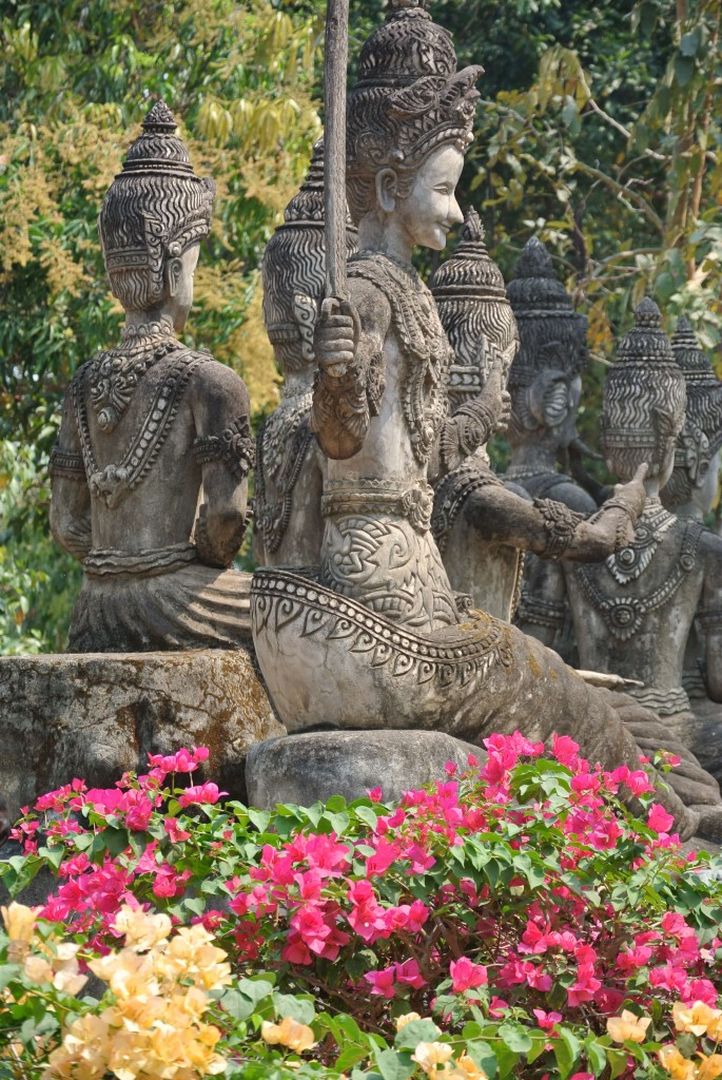
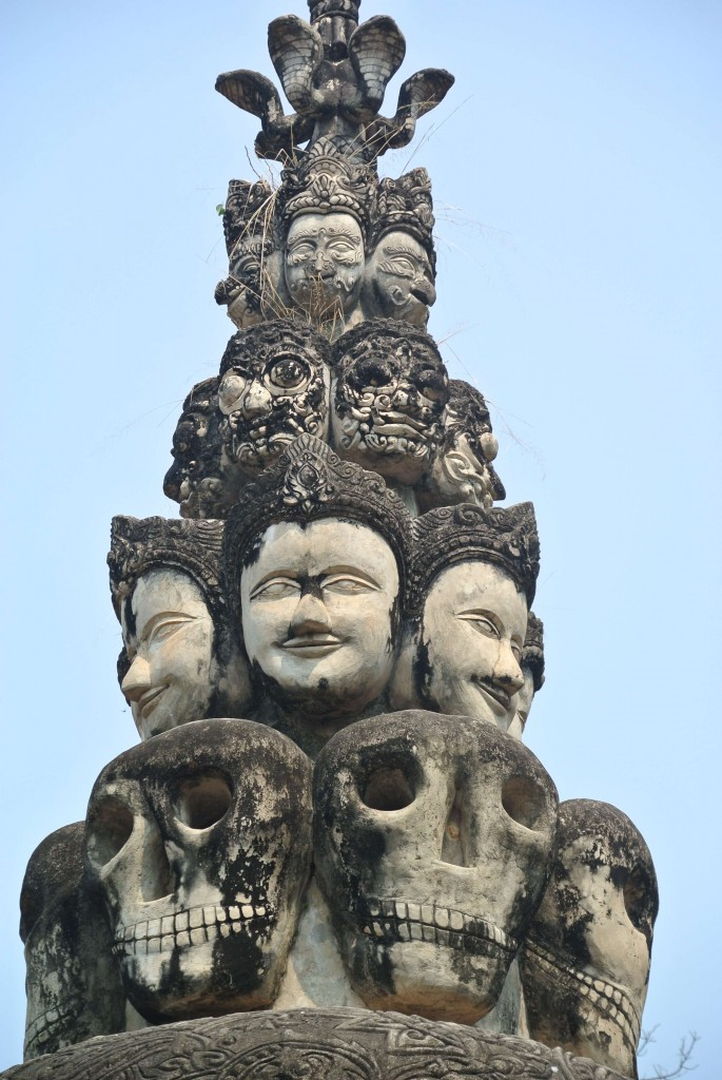
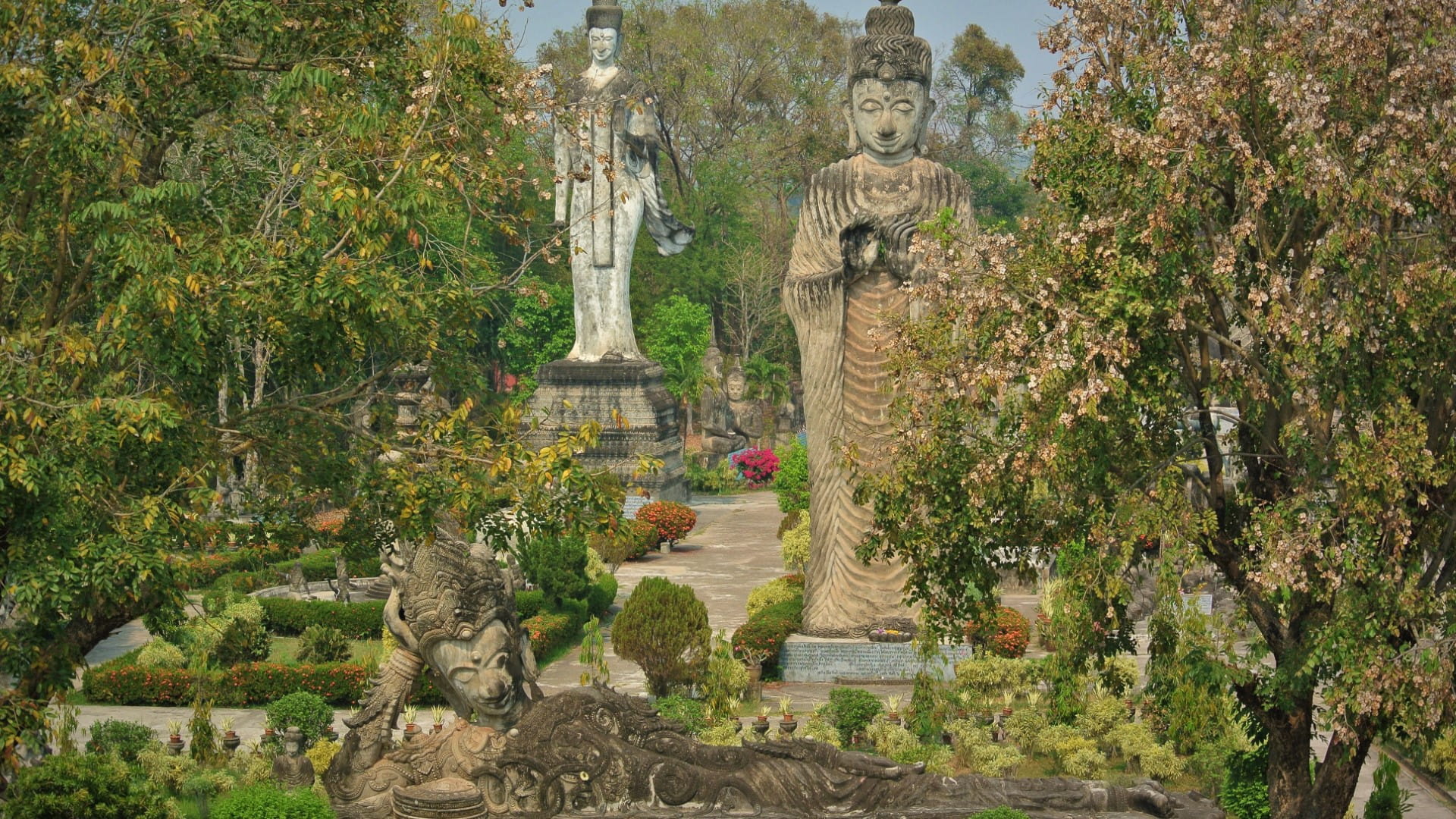
Upon entering Sala Keoku, visitors are immediately struck by the sheer size and height of the sculptures. The experience is immersive: dozens of deities and mythical figures intertwine, creating a dense and unsettling visual universe.
The story of Sala Keoku is inseparable from one man: a Laotian monk, Luang Poo Boun Leua Sourirat. His ambition was to bring together, in a single place, seven sacred narratives drawn from Hinduism and Buddhism. Understanding how these scenes relate to one another is far from straightforward.
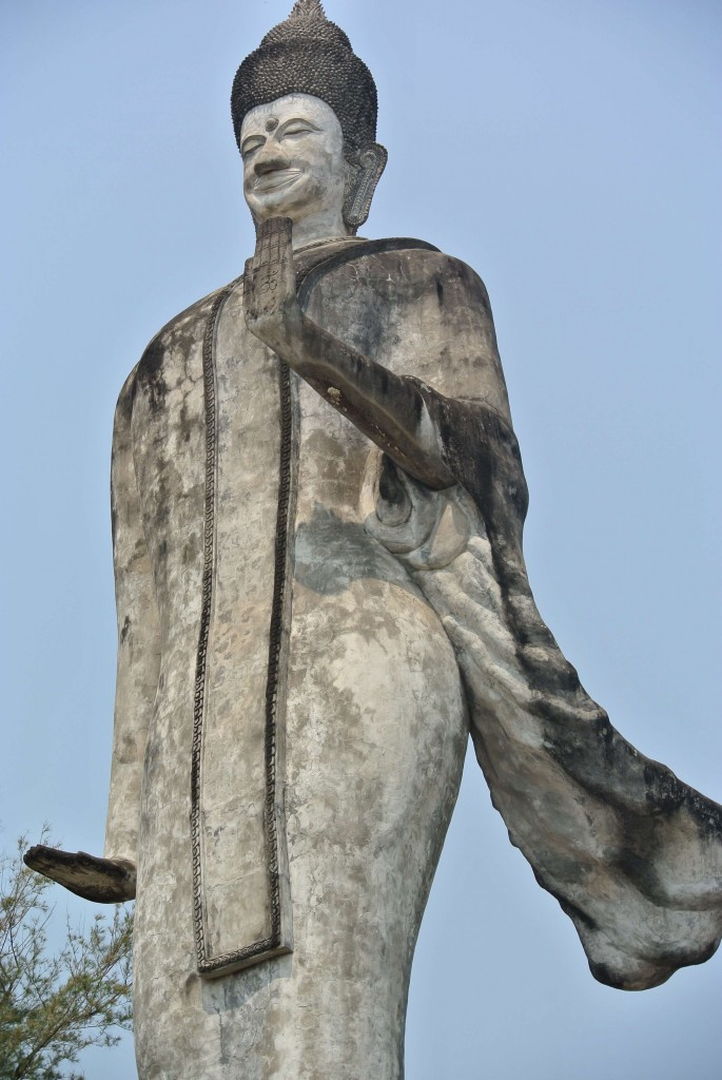
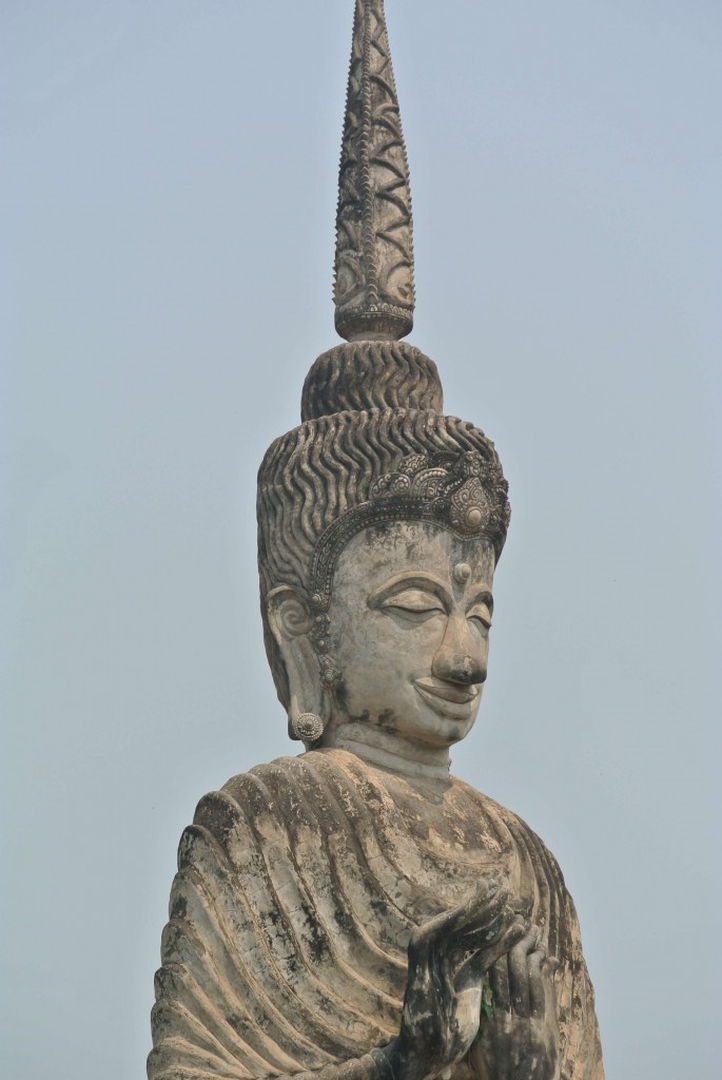
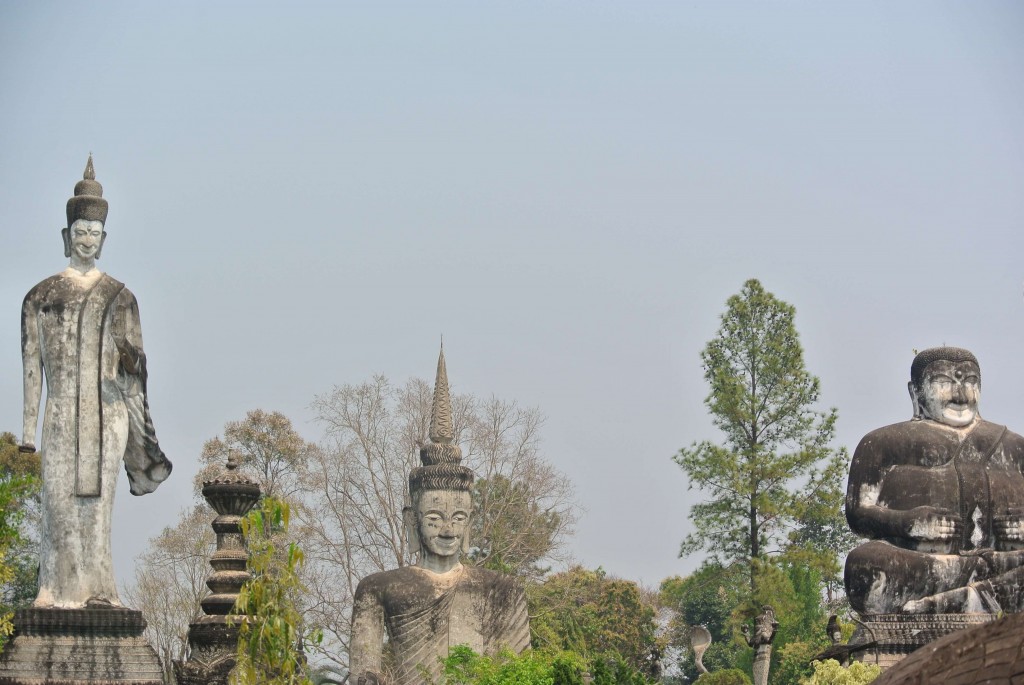
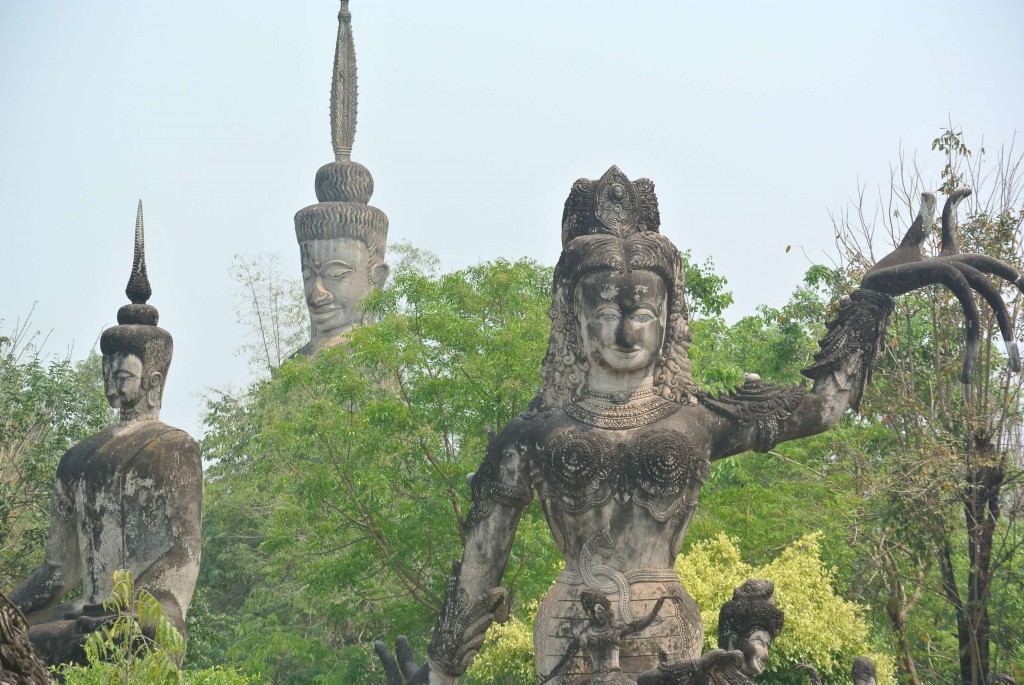
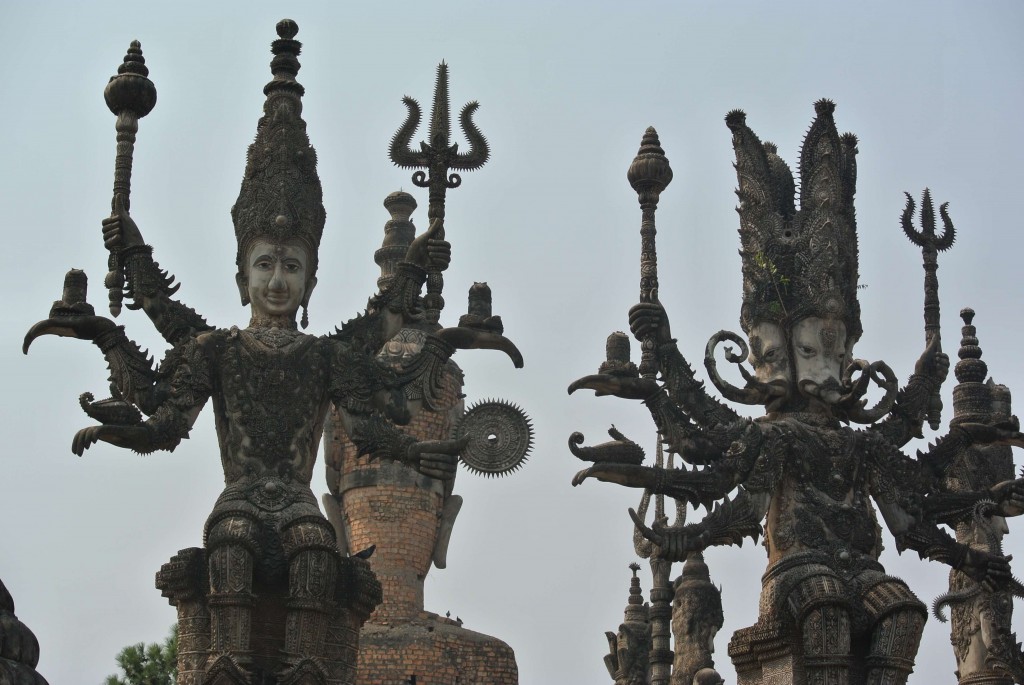

The god Kaewkoo and the spiritual origins of Sala Keoku
With the help of numerous followers, Luang Poo Boun Leua Sourirat spent more than twenty years building this singular site, stone by stone.
According to his story, this inspiration came from a powerful spiritual experience. As a child, he is said to have encountered the serpent god Kaewkoo after accidentally falling into a cave. The deity allegedly transmitted to him a universal and sacred knowledge.
Sourirat later preached this wisdom in Vietnam. When the communists came to power, he fled to neighbouring Thailand and settled in Nong Khai, where he continued building Sala Keoku until his death in 1996.
His mummified body now rests on the third floor of the main building, inside a glass-covered sarcophagus. Even today, devotees claim that his hair continues to grow years after his death.
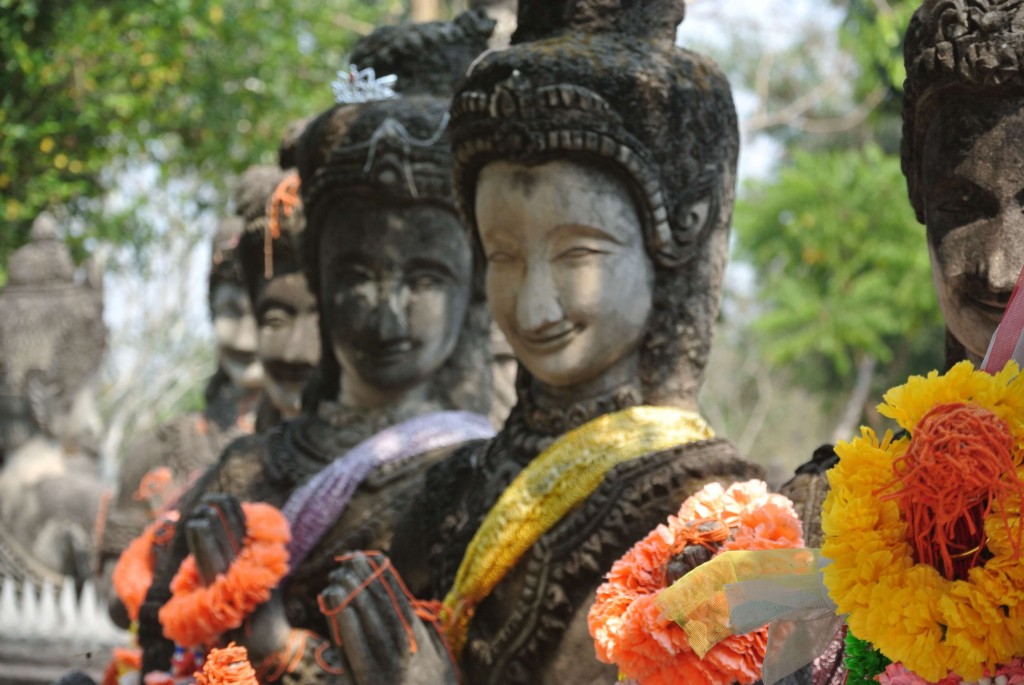
Monumental sculptures and unanswered questions
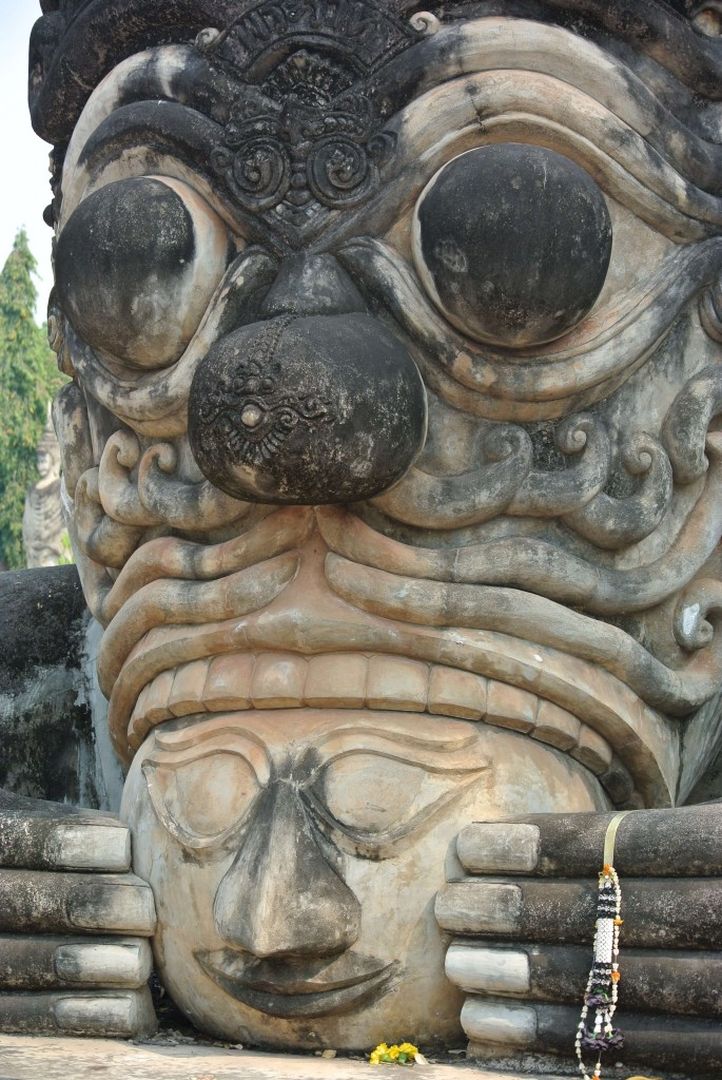
Beyond the representations of deities and entities drawn from Theravada and Mahayana Buddhism, as well as the Mahabharata, one sculpture stands out as the keystone of the entire site: the Wheel of Life.
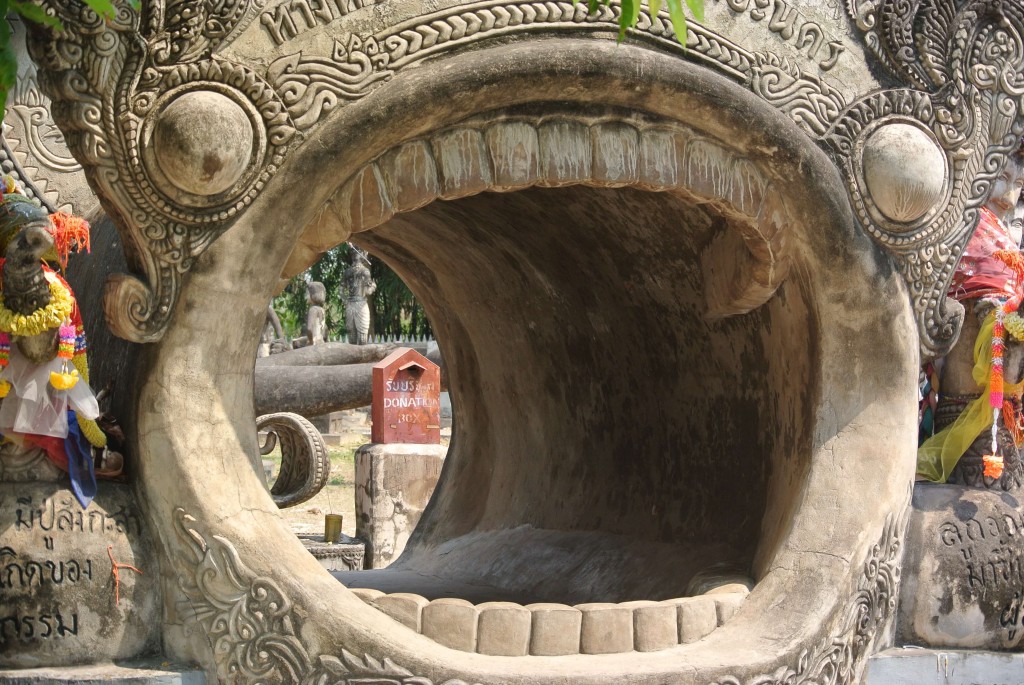
Visitors enter the sculpture through the gaping mouth of a divinity. Inside, the stages of a human life unfold: birth, desire, marriage, betrayal, hardship, reconciliation and death. At the centre stands a multi-faced artefact, a reminder that higher powers endure and observe.
Practical information – Sala Keoku (Nong Khai)
- Address: Wat That, Mueang Nong Khai District, Nong Khai 43000
- Opening hours: daily from 8:00 am to 6:00 pm
- How to get there: renting a motorbike for the day is the easiest option; hotels and guesthouses can arrange this
- Entrance fee: 20 baht for foreigners
- Dress code: appropriate clothing required (no shorts)
FAQ – Sala Keoku Sculpture Park
Where is Sala Keoku located?
Sala Keoku is located about 5 kilometres from the centre of Nong Khai, in northeastern Thailand, close to the Laos border.
Who created Sala Keoku?
The park was created by Luang Poo Boun Leua Sourirat, a Laotian spiritual leader, with the help of his followers over more than two decades.
How long does it take to visit Sala Keoku?
Most visitors spend between one and one and a half hours exploring the park at a relaxed pace.
Is Sala Keoku suitable for children?
Yes, although some sculptures may appear unsettling or intimidating due to their size and symbolic content.
Can Sala Keoku be visited from Laos?
Yes. Sala Keoku is easily accessible from Vientiane via the Thai–Lao border crossing at Nong Khai.
Further information about Nong Khai and its region
Article updated in 2026 based on on-site visits and local sources.