Hungry Ghost Festival in Phuket: Por Tor Dates, Traditions & Ang Ku
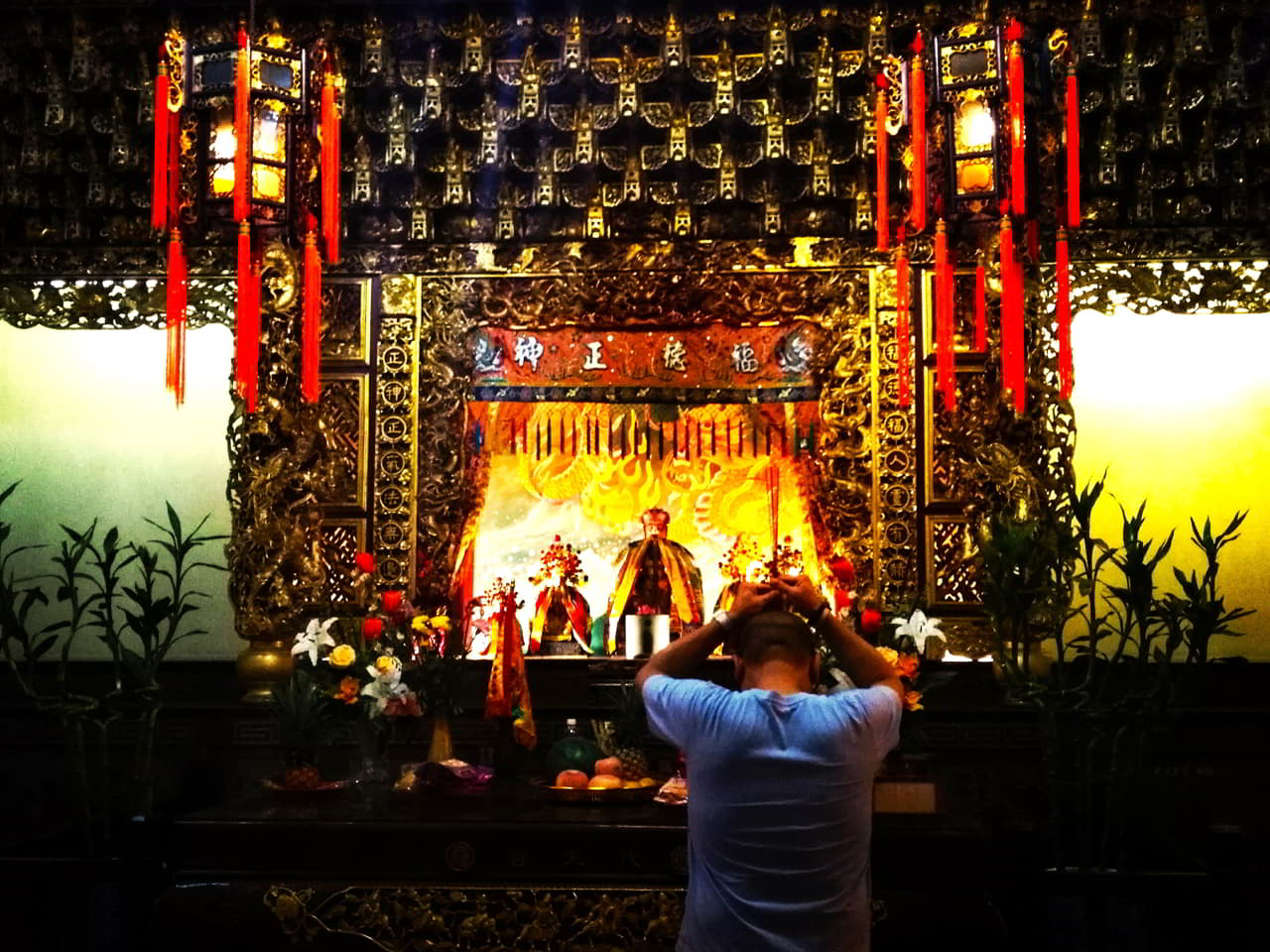
Every year, during the seventh month of the Chinese lunar calendar, Phuket’s Hokkien Chinese community pays tribute to its ancestors and prepares offerings for wandering spirits. This is the Por Tor Festival, a deeply rooted tradition that is particularly visible at Phuket Town’s Chinese shrines.
In 2026, Por Tor takes place from August 19 to September 6, with the main day of celebrations on August 27. For visitors, the ceremonies offer a chance to witness a Chinese tradition that remains deeply connected to Phuket’s history and local communities.
The Por Tor Festival, Phuket’s Hungry Ghost Festival: 2026 Dates
The Por Tor Festival follows the Chinese lunar calendar, so its dates change every year.
In 2026, the festival runs from August 19 to September 6, with the main day of celebration on August 27.
The festival period stretches over several weeks across Phuket, although individual shrines may follow their own schedules and hold ceremonies over different periods.
For future editions, the dates and programme will need to be updated, while the traditions, main locations and cultural background explained in this article will remain relevant.
Why Is the Por Tor Festival Celebrated?
Por Tor is associated with the seventh month of the Chinese lunar calendar, a period when spirits are traditionally believed to return to the world of the living.
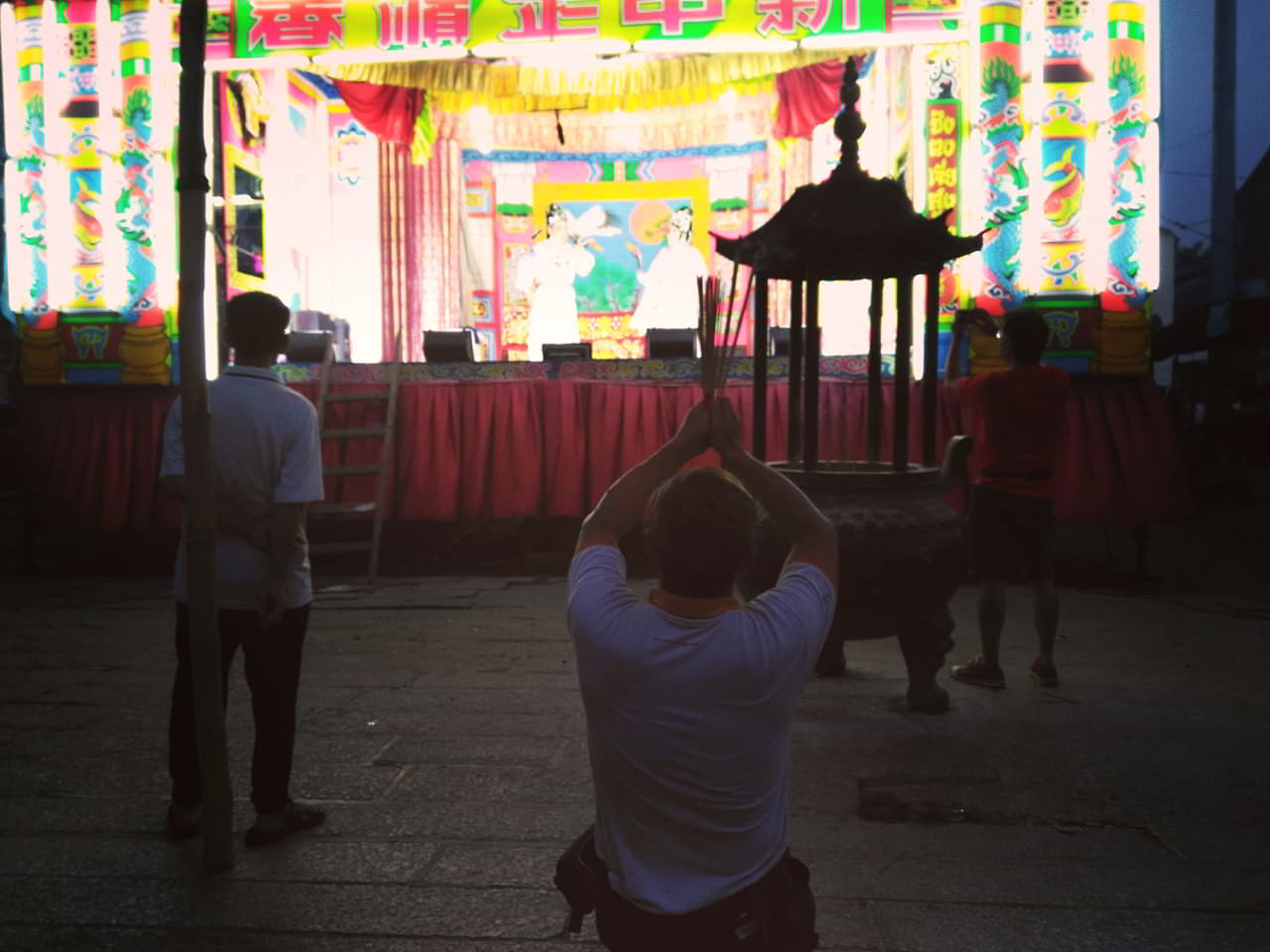
Families prepare offerings for deceased relatives, placing food, fruit, flowers and candles on altars at home and in Chinese shrines.
But the offerings are not intended only for family ancestors.
Some are prepared for spirits who, according to tradition, have no descendants to care for them. This belief explains the name Hungry Ghost Festival, one of the terms commonly used to describe Por Tor.
In Phuket, the tradition remains closely connected to family remembrance and the heritage of the island’s Hokkien Chinese community.
Phuket’s Hokkien Heritage
The history of Por Tor is closely linked to the history of Phuket’s Chinese community.
Chinese migrants, particularly from Fujian and the Hokkien cultural tradition, arrived on the island in significant numbers during the 19th century, when tin mining attracted workers and contributed to Phuket’s economic development.
They brought their religious practices, family traditions and culinary customs with them. Much of this heritage can still be seen today in Phuket Old Town, its Chinese shrines and its traditional festivals.
Por Tor is one of the most visible expressions of this heritage.
The festival offers a glimpse into a side of Phuket’s history that goes well beyond its beaches and its modern tourism industry.
Where to See the Por Tor Festival in Phuket Town
Por Tor is celebrated at several Chinese shrines across Phuket. For visitors, however, Phuket Town is one of the best places to experience the ceremonies and the atmosphere surrounding the festival.
Two locations are particularly important.
Seng Tek Bel Shrine
Seng Tek Bel Shrine, also known as Por Tor Kong Shrine, is located on Phuket Road, near Bann Bang Neow School.
It is one of the main venues for Por Tor celebrations. Unlike some shrines where ceremonies last only a few days, Seng Tek Bel traditionally hosts activities over a longer period.
Families come to place their offerings in front of the altars, and the shrine is also one of the places where the famous Ang Ku, the red turtle-shaped cakes associated with Por Tor, are particularly prominent.
For anyone wanting to understand the religious side of the festival, this is one of the places worth prioritising.
Ranong Road Fresh Market
The Phuket fresh market on Ranong Road is another important focus of the celebrations.
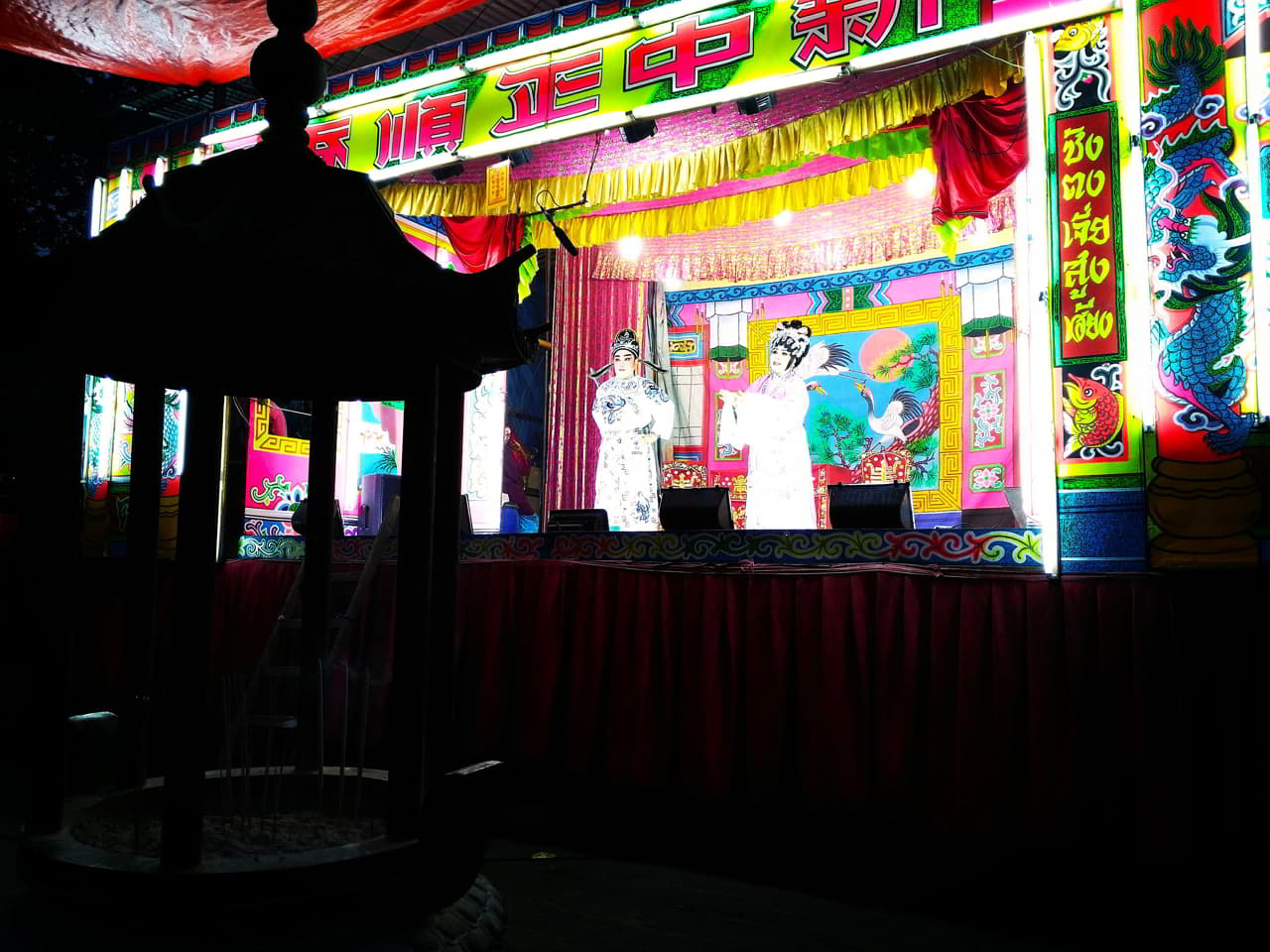
The atmosphere becomes livelier when public events take place around the market. Depending on the year, the programme may include lion dances, performances, concerts, traditional ceremonies and various processions.
Food stalls are also set up in the area.
The market therefore offers a different side of Por Tor: less focused on the altars and more closely connected with neighbourhood life and the festival’s public celebrations.
Ang Ku: The Red Turtle Cakes of Por Tor
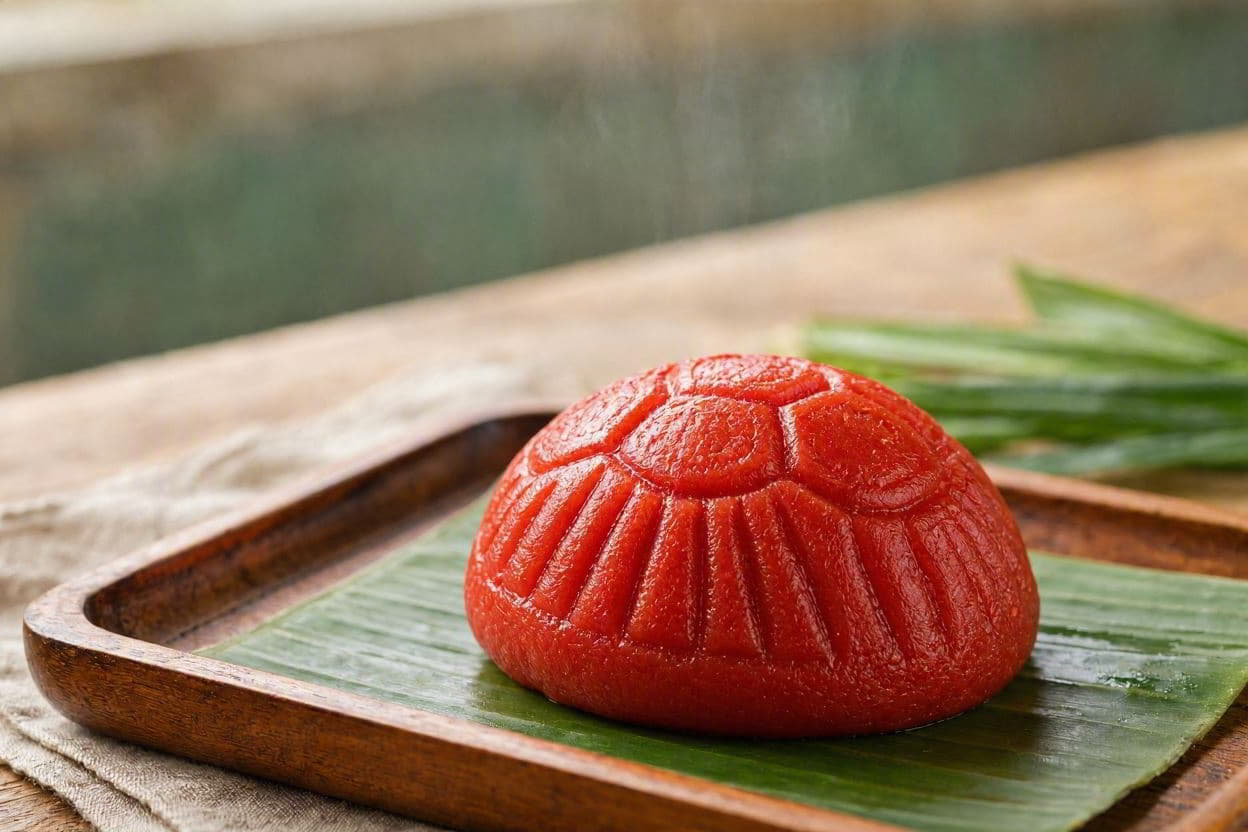
If there is one image immediately associated with the Por Tor Festival, it is the Ang Ku.
These red cakes are moulded in the shape of turtles and traditionally made with flour and sugar. They are placed on altars alongside other offerings.
The turtle has a particular significance in Chinese symbolism. It is associated with longevity and strength, while the colour red is traditionally regarded as auspicious and associated with good fortune.
Ang Ku therefore has a dual significance: it is an offering to ancestors and spirits, while also symbolically expressing wishes for longevity and good fortune.
Why Are Por Tor Cakes Red?
Red has an important place in Chinese traditions and is generally associated with luck, prosperity and auspiciousness.
Combined with the turtle, a symbol of longevity, the colour gives Ang Ku a meaning that goes well beyond that of an ordinary sweet.
The cakes can be made in different sizes. Some are relatively small and intended for family altars, while others are much larger and take a central place during ceremonies.
Por Tor Ceremonies, Processions and Public Events
Por Tor is not simply a period of making offerings at Chinese shrines.
In the neighbourhoods involved, religious ceremonies are accompanied by public events and traditional performances. The programme changes from one year to the next but may include:
- traditional ceremonies;
- offerings to ancestors and spirits;
- lion dances;
- cultural performances;
- concerts;
- processions;
- street entertainment;
- local food stalls.
Traditional Chinese clothing is also part of the festival atmosphere. Schoolchildren and local residents may dress in traditional outfits and take part in the ceremonies.
Red cheongsam dresses, flower bouquets, fruit and Ang Ku cakes give the shrines and streets of Phuket Town a very different appearance during the festival.
The exact programme varies each year, so it is advisable to check the latest schedules and locations before visiting.
What to Eat During the Por Tor Festival
Food is an important part of Phuket’s cultural identity, and the Por Tor Festival provides another opportunity to experience the island’s Chinese culinary heritage around the streets of Phuket Town.
Food stalls are generally set up close to the main celebration areas, offering local specialities and dishes influenced by Phuket’s Chinese culinary traditions.
The Ang Ku naturally remains the most recognisable food associated with the festival.
For those looking beyond the more visible aspects of the event, its food traditions also provide an insight into the way Chinese customs have become part of Phuket’s local cuisine.
How Should Visitors Behave During Por Tor Ceremonies?
Por Tor takes place openly within Phuket Town’s neighbourhoods, but it is important to remember that it remains a religious and family occasion.
Visitors are welcome as long as they respect the places of worship and the people carrying out their rituals.
A few simple guidelines are worth following:
- do not touch offerings placed on altars;
- remain discreet during ceremonies;
- ask before photographing someone taking part in a ritual;
- do not stand between a family and its altar;
- respect any areas reserved for ceremonies;
- follow instructions given by shrine officials.
It is also worth allowing extra travel time in Phuket Town when major ceremonies and public events are taking place.
Por Tor Festival 2026: Practical Information
Dates: August 19 to September 6, 2026
Main day: August 27, 2026
Main venue: Seng Tek Bel Shrine, Phuket Road, near Bann Bang Neow School
Other key location: Phuket fresh market, Ranong Road
Area: Phuket Town, Phuket
Admission: Free for visitors
Programme: Varies from year to year
Schedules and public events should be checked before travelling, as the programme may change from one edition to another.
For an evergreen article, this section can be updated each year without changing the overall structure of the page.
FAQ – Por Tor Festival in Phuket
When is the Por Tor Festival held in Phuket?
The Por Tor Festival takes place during the seventh month of the Chinese lunar calendar, so its dates change every year. In 2026, it runs from August 19 to September 6, with the main day of celebration on August 27.
What is the Por Tor Festival?
Por Tor is a traditional festival of Phuket’s Hokkien Chinese community dedicated to ancestors and spirits. It is also commonly referred to as the Hungry Ghost Festival.
Where can I see the Por Tor Festival in Phuket?
Ceremonies take place at several Chinese shrines across Phuket. In Phuket Town, Seng Tek Bel Shrine and the area around the Ranong Road fresh market are among the main locations for the celebrations.
What are Ang Ku cakes?
Ang Ku are red turtle-shaped cakes traditionally prepared as offerings. The turtle symbolises longevity, while red is traditionally associated with luck and prosperity.
Can tourists attend the Por Tor Festival?
Yes. Visitors can attend ceremonies and public events, but they should respect the religious nature of the festival, particularly around altars and during family rituals.
Is the Por Tor Festival the same as the Phuket Vegetarian Festival?
No. They are two different traditions. Por Tor is associated with the seventh month of the Chinese lunar calendar and offerings to ancestors and spirits. The Phuket Vegetarian Festival is another major religious tradition of the island’s Chinese community.
How long does the Por Tor Festival last?
The duration varies between years and shrines. Across Phuket, celebrations extend over several weeks, while individual locations may follow their own schedules for ceremonies and events.
Por Tor: A Festival That Tells Another Story of Phuket
To understand Por Tor, it is worth looking beyond the public events and the red turtle cakes.
The festival tells part of the story of the Chinese community that contributed to Phuket’s development and whose traditions remain visible in the island’s shrines, cuisine and historic neighbourhoods.
For several weeks, families honour their ancestors, shrines fill with offerings and the streets of Phuket Town take on a distinctive atmosphere.
For visitors, Por Tor is therefore less an event to simply watch than an opportunity to witness a living local tradition that is still practised by Phuket’s families today.