

Is Thailand Becoming More Expensive for Travellers in 2026?
Written by the editors of theo-courant.com, your reference guide to Thailand and South-East Asia - based in Bangkok, at the heart of Thai culture.

For decades, Thailand represented a form of affordable freedom. Travellers could cross the country on a modest budget, book a guesthouse at the last minute, eat street food for a few dollars and spend weeks travelling without constantly watching their expenses. That image still exists, but it is slowly beginning to change.
Is Thailand Becoming More Expensive for Travellers in 2026?
Since the pandemic, travelling in Thailand has become noticeably more expensive. Airport taxes are rising, hotel prices continue to climb, banking fees remain among the highest in Southeast Asia and several tourist areas are increasingly targeting wealthier visitors. None of these changes seem dramatic individually. Together, however, they reveal a broader transformation taking place inside Thailand’s tourism industry.
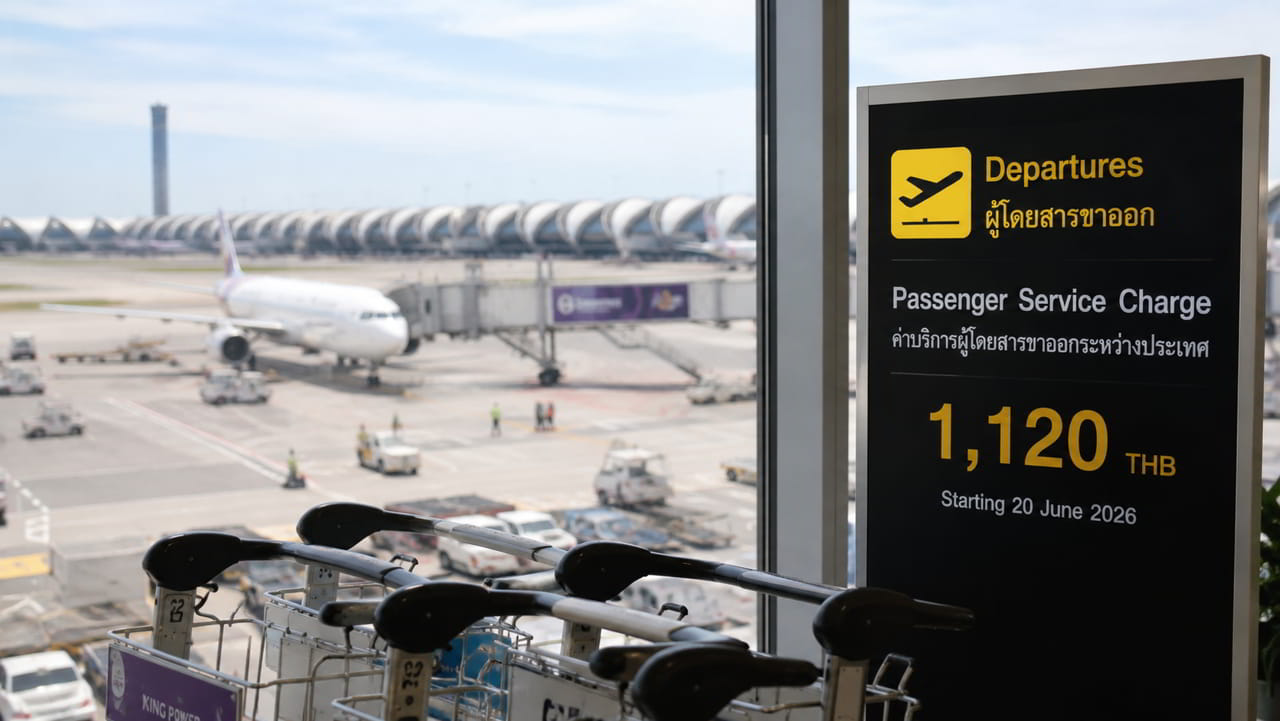
The recent increase in airport departure fees illustrates this shift particularly well. From June 20, 2026, international passengers departing from Thailand’s main airports will see the Passenger Service Charge rise from 730 baht to 1,120 baht — an increase of more than 50%.
Thai authorities argue that the new fees are necessary to finance airport expansion projects and strengthen the country’s position as a regional aviation hub competing with Singapore and Kuala Lumpur. For many travellers, however, the announcement reinforces a growing feeling that Thailand is no longer the ultra-cheap destination it once was.
The Slow End of Thailand’s Low-Cost Travel Era
The change is especially visible in Thailand’s most famous tourist destinations. In Phuket, Koh Samui and Pattaya, hotel prices have increased sharply since international tourism returned after the pandemic. During peak season, mid-range accommodation in Bangkok can now approach prices found in some European capitals.
Several factors explain the rise. Energy costs have increased, wages are higher and many smaller independent hotels disappeared during the pandemic years. In their place, more upscale resorts, lifestyle hotels and luxury developments are emerging.
Thailand still offers accommodation for every budget, but the balance is shifting. In many areas, travellers now need to plan their expenses far more carefully than they did ten years ago.
ATM Fees Continue to Frustrate Foreign Visitors
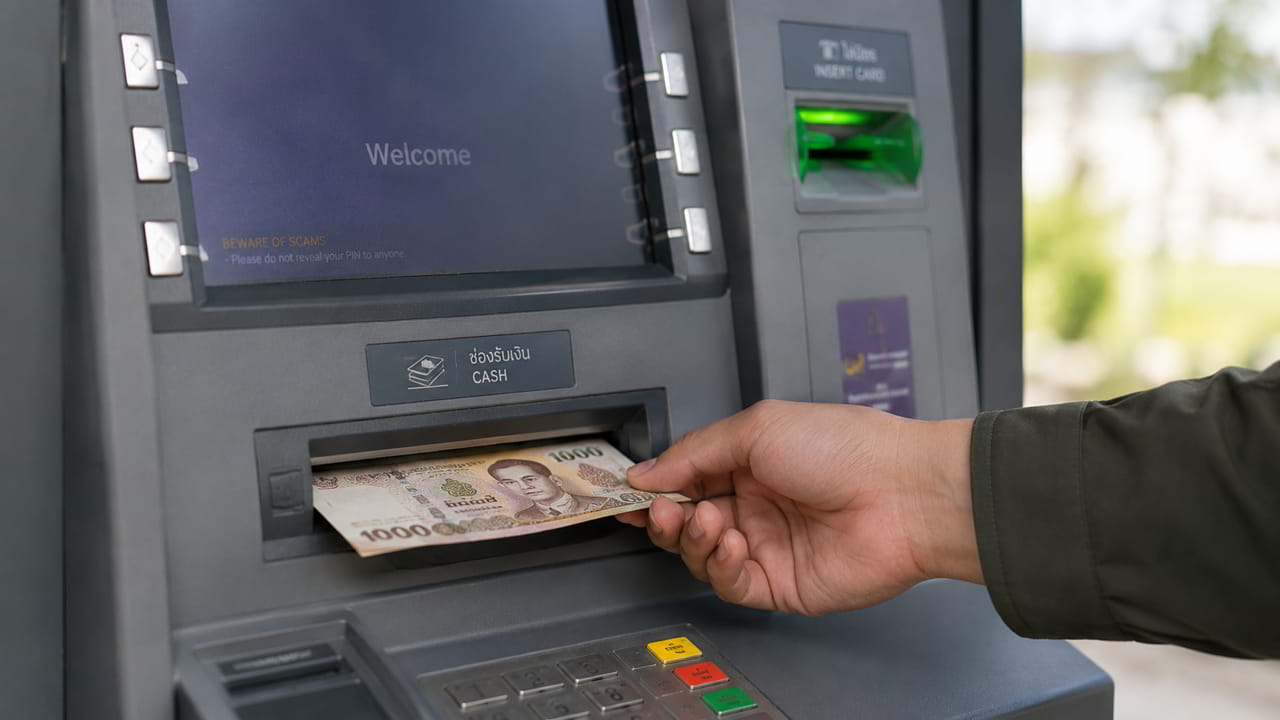
One of the most criticised costs remains Thailand’s ATM withdrawal fee. Most Thai banks currently charge foreign cardholders around 220 baht per withdrawal.
At first glance, the fee may not appear excessive. Yet for long-term travellers, digital nomads or retirees living in Thailand, repeated withdrawals quickly become expensive. Additional exchange-rate charges and foreign bank commissions often make the total even higher.
In neighbouring countries such as Malaysia, banking costs are generally lower and digital payments are more widely integrated into everyday life. Comparisons like these are becoming increasingly common among travellers deciding where to base themselves in Southeast Asia.
Thailand Is Targeting Higher-Spending Tourists
The rising costs are not accidental. For several years, Thai authorities have openly promoted a strategy focused on “quality tourism” rather than mass tourism.
The objective is clear: attract visitors who stay longer and spend more money.
This strategy targets:
- luxury travellers
- retirees
- long-stay visitors
- digital nomads
- wealthy tourists from Europe, the Middle East and Asia
The transformation is particularly visible in Phuket, where luxury resorts, beach clubs and high-end real estate projects continue to multiply. Areas once associated with backpackers and budget tourism are gradually becoming more exclusive.
Bangkok reflects the same trend. Upscale shopping malls, luxury condominiums and premium hospitality projects increasingly dominate parts of the city.
For the government, this transition could increase tourism revenue while reducing some of the environmental and infrastructure pressures linked to overtourism before the pandemic.
Vietnam and Malaysia Are Becoming Strong Competitors
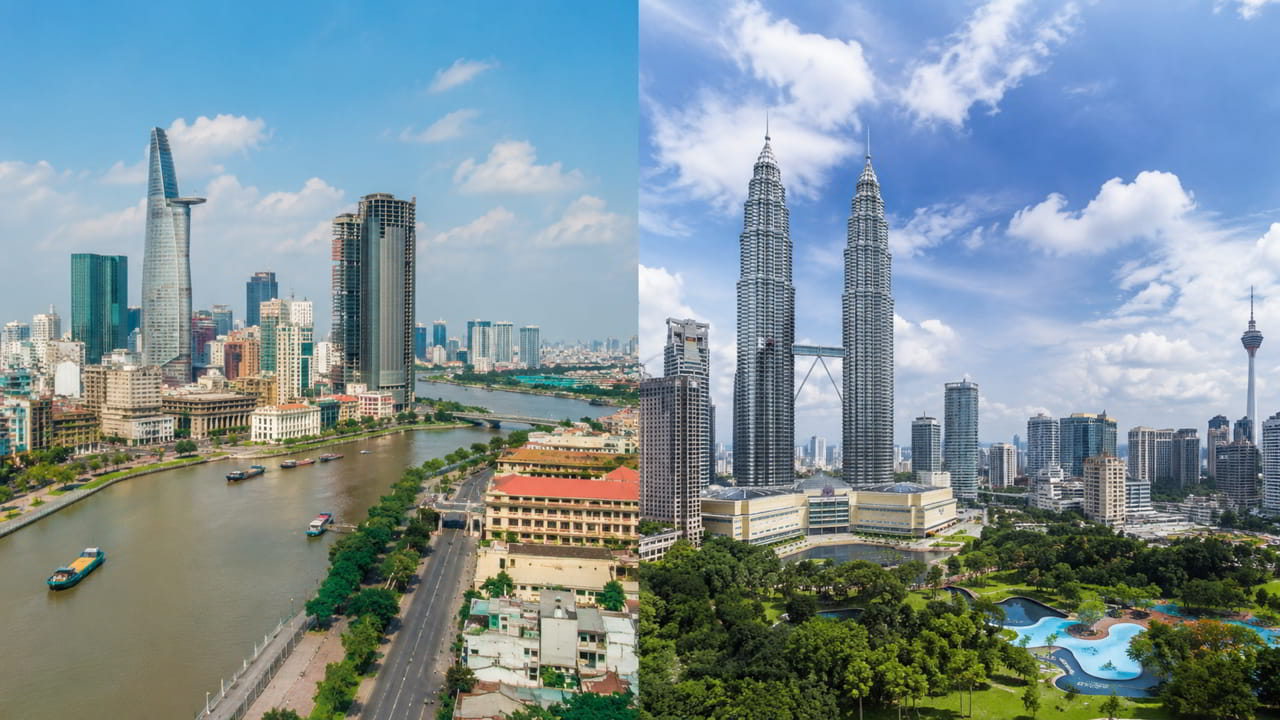
As Thailand moves further upmarket, neighbouring countries are attracting travellers looking for lower living costs and better value.
Vietnam has become especially popular among budget-conscious travellers and digital nomads. Cities such as Da Nang, Ho Chi Minh City and Hanoi offer affordable accommodation, inexpensive food and relatively low transport costs.
Malaysia is also gaining attention. Kuala Lumpur is increasingly viewed as a practical alternative thanks to its modern infrastructure, widespread English usage and lower banking fees.
For long-term travellers comparing monthly budgets across Southeast Asia, these differences matter far more than they once did.
Thailand Remains Attractive — But Travel Is Changing
Despite rising costs, Thailand still retains major advantages. Few countries combine tropical islands, mountain landscapes, world-famous cuisine, efficient transport networks and developed tourism infrastructure on such a large scale.
Thailand also remains cheaper than many Western destinations, Japan or Singapore. Yet the way people travel inside the country is evolving. Travellers now compare prices more carefully, avoid overly expensive tourist zones and increasingly search for lesser-known destinations.
For many long-time visitors, the biggest change is psychological. Thailand still feels accessible, but it no longer always offers the sensation of limitless budget travel that shaped its global reputation during the 2000s and early 2010s.
A New Era for Thai Tourism
Behind the airport taxes and rising hotel prices lies a deeper transformation. Thailand appears to be repositioning itself as a more structured, more profitable and more premium destination.
This strategy may improve infrastructure and reduce dependence on mass tourism. But it could also distance part of the traveller community that helped make Thailand one of the world’s most iconic backpacking destinations.
The country remains one of Asia’s most fascinating places to explore. Yet in 2026, a growing number of travellers are beginning to ask the same question: is Thailand still the affordable paradise it once was?
FAQ – Travelling Costs in Thailand in 2026
Why is Thailand becoming more expensive for travellers?
Several factors contribute to rising costs, including higher airport taxes, hotel prices, transport expenses and Thailand’s shift toward premium tourism.
Are airport taxes really increasing?
Yes. From June 20, 2026, the international departure fee will increase from 730 baht to 1,120 baht at Thailand’s major airports.
Are hotels more expensive than before?
Yes. Prices have risen significantly in destinations such as Phuket, Bangkok and Koh Samui since the return of international tourism.
Why does Thailand want higher-spending tourists?
Thai authorities aim to increase tourism revenue while reducing some of the negative effects associated with mass tourism.
Is Vietnam now cheaper than Thailand?
In many cases, yes. Accommodation, food and transport are often cheaper in Vietnam.
Is Thailand still good for budget travellers?
Yes, especially outside major tourist hotspots. However, travelling on a very small budget has become more difficult than it was a decade ago.