


Thailand Flights via the Middle East: Risks, Disruptions and Travel Advice
Written by the editors of theo-courant.com, your reference guide to Thailand and South-East Asia - based in Bangkok, at the heart of Thai culture.

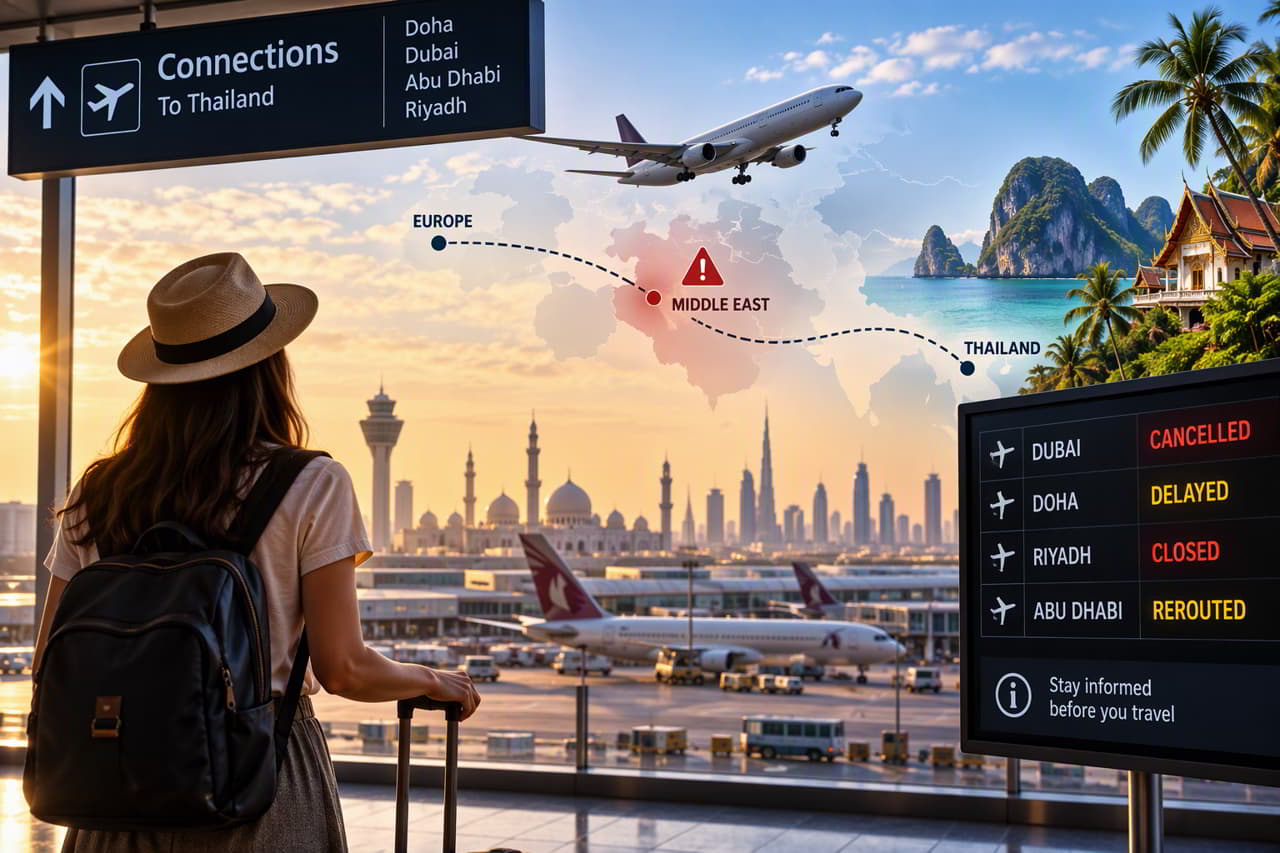
Recent attacks on airports in Saudi Arabia have disrupted air travel in the region, raising concerns among passengers travelling to Thailand via Middle Eastern hubs. Flight cancellations, route changes and missed connections are possible. Here is what travelers should check before leaving.
Attacks on Saudi Airports Disrupt Air Travel
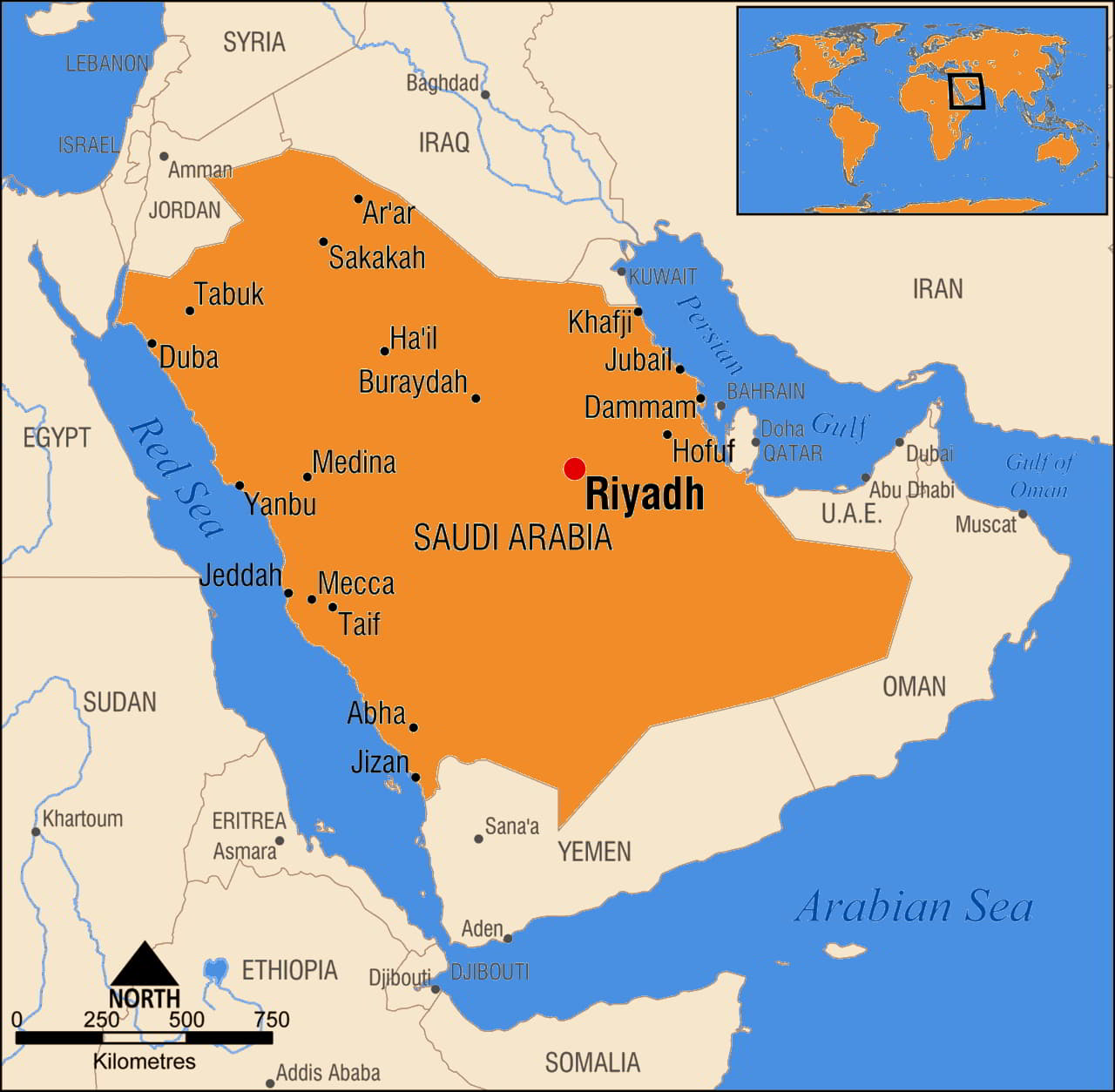
On October 10, 2026, an attack struck King Khalid International Airport in Riyadh, Saudi Arabia, killing at least 12 people and injuring more than 300, according to Saudi authorities. A further attack hit the airport on October 11, leaving additional casualties. Saudi authorities reported damage and said safety assessments were under way.
The attacks have caused major disruption to airport operations. Saudi Arabia has also reported attacks affecting other aviation facilities. Airlines have responded with cancellations and changes to their operations
Source: Reuters – October 10 attack.
For passengers travelling between Europe and Asia, the consequences can extend beyond Saudi Arabia. Changes to flight routes, airspace restrictions and disruptions at connecting airports can affect journeys even when the original departure airport is operating normally.
Is It Safe to Fly to Thailand via the Middle East?
There is no single answer for every flight. The situation depends on the airport used for transit, the route operated, current airspace restrictions and the airline’s latest operational decisions.
Dubai, Doha and Abu Dhabi are not in Saudi Arabia. The attacks in Riyadh do not automatically mean that every Emirates, Qatar Airways or Etihad Airways flight is unsafe or cancelled.
However, the wider regional security situation can change quickly. Airlines may alter flight paths, cancel services or adjust schedules in response to official restrictions and operational risks.
Travelers transiting through Riyadh should pay particular attention to official updates, as airport operations have been suspended following the attacks.
Rather than judging an airline solely by its country of origin, check the specific flight, transit airport and latest travel advisories before making a decision.
Five Checks Before Travelling
1. Check your flight status
Consult your airline’s official website or app before leaving for the airport. A confirmed booking does not guarantee that a flight will operate as scheduled during a rapidly changing situation.
2. Confirm your transit airport
Check exactly where your connection takes place. If your itinerary includes an airport that is closed or operating under restrictions, contact your airline to discuss rebooking or alternative routing.
3. Contact the airline before changing your ticket
If your flight is disrupted, ask the airline about the options available, including rebooking, rerouting or refunds under the applicable conditions. Avoid purchasing a replacement ticket before understanding what assistance is available under your original booking.
4. Review your travel insurance
Policies differ in their treatment of armed conflict, airspace closures and flight cancellations. Check the exclusions and contact your insurer if necessary. Do not assume that every additional expense will be covered.
5. Allow sufficient time for connections
Passengers travelling on separate tickets may have limited protection if a delay causes them to miss a connecting flight. Where possible, booking the entire journey under one reservation can offer better protection, subject to the airline’s terms.
Should You Choose an Alternative Route to Bangkok?
If you have not yet booked your flight and have the option to do so, consider choosing a direct flight. While it is usually more expensive, it is often a far more comfortable and stress-free way to travel.
Otherwise, compare routes transiting through the Middle East with alternatives via other major Asian hubs, such as Singapore or Kuala Lumpur, depending on your departure city.
An alternative route is not automatically safer, faster or cheaper. Availability, travel time, connection requirements and operating conditions can change. Check the complete itinerary before booking.
If you already have a ticket, do not cancel your trip solely on the basis of general headlines. First, review the latest official advice and ask your airline whether your specific flight is affected.
Where to Check Official Travel and Flight Updates
Before travelling, consult:
- Your airline: flight status, cancellations, rebooking and rerouting options.
- Your transit airport: official operating information and passenger notices.
- Your government’s travel advice: security guidance for the relevant countries and transit locations.
- Saudi Press Agency: Official updates on the Riyadh airport attacks.
Because the situation is evolving, information should be checked again shortly before departure.
FAQ: Flights to Thailand via the Middle East
Is it dangerous to fly Emirates, Qatar Airways or Etihad to Thailand?
The attacks in Saudi Arabia do not establish that all Middle Eastern airlines present the same level of risk. Check the specific route, transit airport, airline updates and official travel advice before deciding whether to travel.
Can my flight to Bangkok be cancelled even if my departure airport is open?
Yes. Airspace restrictions, changes to flight routes or disruption at a connecting airport can affect an international journey even when the airport where you start your trip remains open.
What should I do if my connecting flight is cancelled?
Contact the airline responsible for your booking and ask about rebooking or rerouting. Check the conditions for refunds, accommodation and travel insurance before paying for additional arrangements yourself.