


Fuel shortage in Thailand: should you worry about your trip?
Written by the editors of theo-courant.com, your reference guide to Thailand and South-East Asia - based in Bangkok, at the heart of Thai culture.

A fuel shortage is affecting several provinces in Thailand. Should you change your travel plans, or simply adjust how you move around?
Is there really a fuel shortage in Thailand?
Yes, but it remains localized. For several days now, provinces such as Chai Nat, Phayao and Chiang Mai have been experiencing supply tensions. In Pattaya, for example, some stations are closed while others only offer limited fuel types (often 91 instead of 95).
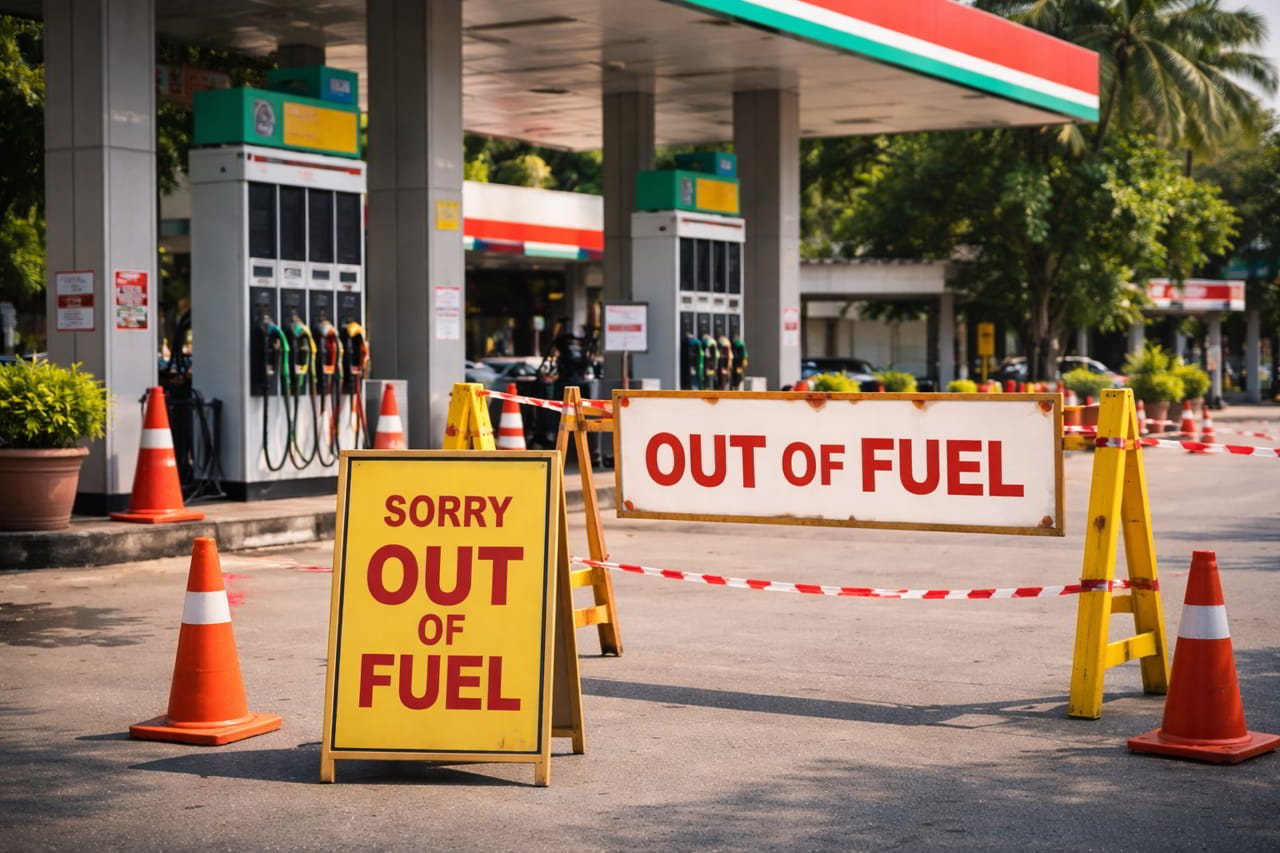
Out of fuel signs are becoming more common. In the most affected (often more remote) areas, drivers queue for hours—sometimes from the day before—to refuel. In larger cities, however, where stations are more numerous, waiting times tend to be shorter.
Why is this happening?
Several factors explain the situation:
- a sudden surge in demand, with some consumers stockpiling fuel
- irregular deliveries and local stock management issues
- international tensions affecting supply chains, notably following the US-Israel intervention in Iran
We have observed that some stations limit sales or temporarily shut down certain pumps to manage daily supply.
What are the actual impacts on transport in Thailand?
The shortage directly affects mobility in certain regions. However, for now, there is no major disruption: buses, vans, trains and boats are still operating.
More complicated journeys
While the overall impact remains limited, travelers and drivers should:
- plan journeys more carefully, especially long distances
- expect longer waiting times at stations
- adjust routes when necessary
In some cases, driving with a half-full tank can become risky.
Disrupted logistics
Freight drivers are among the most affected. Some are reluctant to take long-distance jobs, leading to:
- slower deliveries
- supply issues in local markets
- upward pressure on certain prices
Some long-haul routes are being refused due to the risk of running out of fuel. As a result, travelers using ride-hailing apps like Bolt or Grab should be cautious when planning long trips, as availability may decrease over time.
Are authorities managing the situation?
Yes. Thai authorities are working to prevent panic and stabilize supply.
Measures in place
- monitoring fuel stocks in every district
- ensuring oil depots operate continuously
- cracking down on illegal stockpiling and price gouging
Officials emphasize that the situation is temporary and localized.
What are the risks for travelers and expats?
The situation is manageable but requires some precautions.
Driving or riding: stay cautious
- possible difficulty finding fuel
- unpredictable queues
- delays on certain routes
It is strongly recommended not to wait until your tank is nearly empty before refueling.
Boat transfers: possible disruptions
Fuel shortages can also affect maritime transport:
- ferry delays
- schedule adjustments
- occasional speedboat cancellations (high fuel consumption)
Less-visited islands are the most exposed to these disruptions.
Practical tips to reduce risks
To minimize inconvenience:
- prioritize public or organized transport
- check fuel levels before every trip (car, motorbike or scooter)
- avoid remote areas without stations
- allow extra travel time
Should you change your itinerary in Thailand?
In most cases, no.
Major tourist destinations continue to receive priority supply. However, in northern or rural areas, better planning is advised. For independent travelers, anticipation remains key.
FAQ: Fuel shortage in Thailand
Is the whole country affected?
No. The shortage is limited to certain provinces and remains temporary.
Should tourists be concerned?
Not significantly, but they should adapt their travel plans, especially outside major tourist areas.
Are ferries operating normally?
Yes overall, but delays or adjustments may occur.
Will fuel prices increase?
Local increases are possible, but authorities are monitoring the situation closely.
Can you still rent a vehicle?
Yes, but with caution. Planning refueling stops in advance is recommended.