Dengue in Thailand and Southeast Asia: What Travelers Need to Know in 2026
Dengue continues to circulate in Thailand in 2026, with more than 21,000 cases recorded since the beginning of the year. The disease also remains widespread across Southeast Asia, making it a health risk that travelers should understand before and during their trip.
Dengue remains a concern in Thailand and Southeast Asia
As of August 19, 2026, Thailand had recorded 21,620 dengue cases and 31 deaths since January 1, according to the Department of Disease Control (DDC). Bangkok accounted for 1,785 cases and four deaths.
The figures are significant, but they should be put into perspective. Thailand’s 2026 total remains below both the number recorded in 2025 and the level forecast for this year. At the same time, authorities continue to monitor an upward trend during the rainy season.
For travelers, the message is therefore straightforward: dengue is a real and recurring risk in Thailand, but the current figures do not indicate an exceptional outbreak across the country.
Dengue is not limited to Thailand
Dengue should be viewed as a regional issue rather than a Thailand-only concern.
The World Health Organization considers dengue an important health issue across the Western Pacific and Southeast Asian region. The disease is endemic in several countries regularly visited by international travelers, including Cambodia, Laos, the Philippines and Vietnam.
Malaysia provides a particularly relevant example in 2026. By August 15, the country had recorded 58,079 dengue cases and 55 deaths, with cases up 56.2% compared with the same period in 2025.
For travelers combining several destinations, the practical lesson is simple: changing countries does not necessarily mean leaving the dengue risk behind.
Why does the rainy season matter?
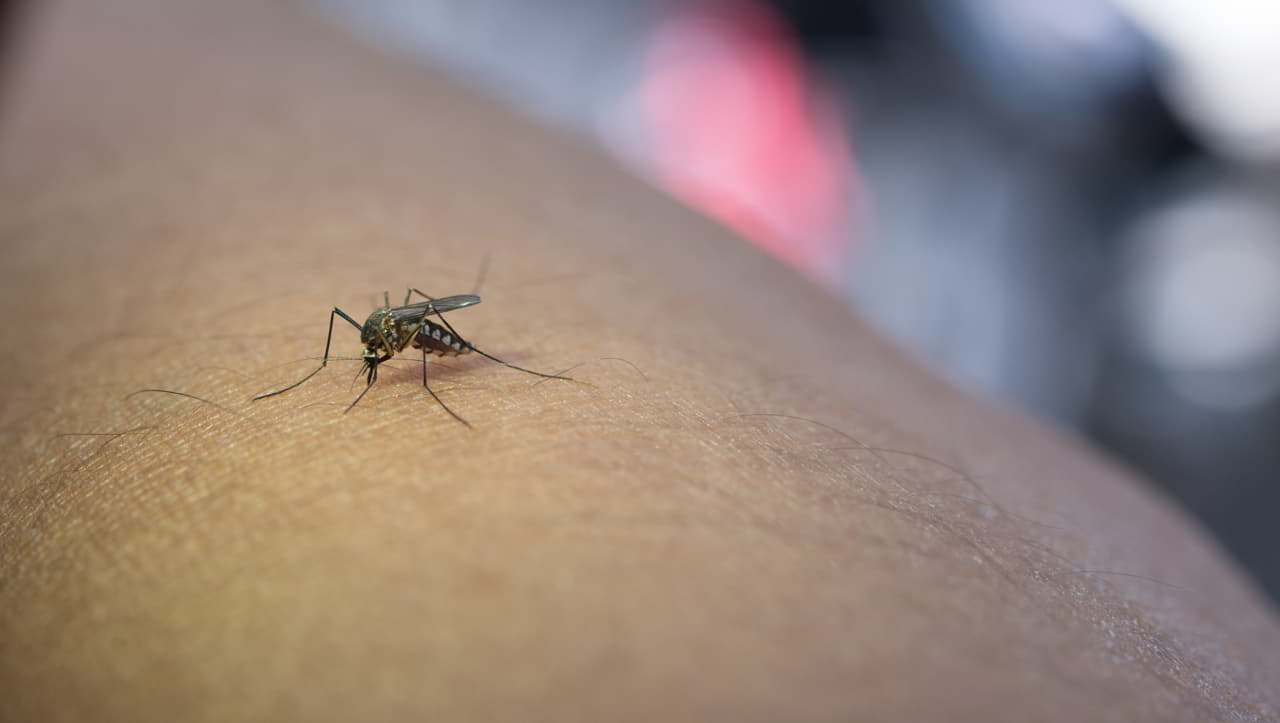
Dengue is transmitted by infected mosquitoes, particularly Aedes aegypti and Aedes albopictus.
In Thailand, transmission generally increases during the rainy season, although dengue can occur throughout the year. These mosquitoes thrive in warm and humid conditions, and even small amounts of standing water can provide breeding sites.
That is why dengue is not simply a rural disease. Cities, residential neighborhoods and popular tourist destinations can also be affected.
The combination of tropical temperatures, rainfall and dense urban environments can create favorable conditions for mosquito populations.
Where are travelers most likely to encounter dengue in Thailand?
There is no reliable list of a few Thai destinations that can simply be labeled “safe” from dengue.
Dengue is endemic throughout Thailand, and health authorities advise travelers to protect themselves against mosquito bites nationwide.
That includes major destinations such as Bangkok, Pattaya, Phuket and Chiang Mai, as well as islands and smaller tourist areas.
Local transmission levels can change over time, however, and national statistics do not indicate the precise level of risk for every destination on any given day.
For travelers, avoiding mosquito bites remains more useful than trying to identify supposedly risk-free parts of the country.
How can travelers reduce the risk of dengue?
The most effective everyday protection is to avoid mosquito bites.
Travel health authorities recommend using an appropriate insect repellent, wearing clothing that covers exposed skin when practical and staying in accommodation with air conditioning, screens or mosquito nets.
Commonly recommended active ingredients in repellents include DEET, picaridin (icaridin), IR3535 and oil of lemon eucalyptus, depending on the product and applicable age restrictions.
A few simple habits can make a significant difference during a trip:
- Apply mosquito repellent to exposed skin as directed on the product.
- Wear long sleeves and trousers when conditions allow.
- Choose accommodation with air conditioning or effective window screens.
- Use mosquito nets when appropriate.
- Remain cautious even in cities and heavily developed tourist areas.
There is no need to wait until reaching a remote area before taking precautions.

What are the symptoms of dengue?
Dengue can initially resemble a severe flu-like illness.
Typical symptoms include high fever, headache, muscle and joint pain and pronounced fatigue. Some patients develop additional symptoms such as nausea or a rash.
Most infections are not severe, but dengue can sometimes progress to a serious condition requiring prompt medical care.
Travelers who develop a high fever or other symptoms consistent with dengue after spending time in an area where the disease is circulating should seek medical advice rather than attempting to self-diagnose.
Medical symptoms can have many different causes, and only a healthcare professional can provide an appropriate diagnosis.
Should travelers be worried about visiting Thailand?
The presence of dengue in Thailand does not mean that travelers should avoid the country.
Dengue is an established tropical disease in much of Southeast Asia, and health authorities routinely advise visitors to protect themselves against mosquito bites.
For most travelers, the sensible approach is not to panic but to understand the risk and build mosquito protection into their normal travel routine.
This becomes even more relevant during the rainy season, when mosquito activity and dengue transmission can increase.
Travelers taking a multi-country trip through Thailand, Laos, Cambodia, Vietnam or Malaysia should maintain the same precautions throughout the journey.
Dengue in Southeast Asia: a long-term travel health issue
Dengue is not a new threat in Southeast Asia. It is a longstanding public health issue that returns every year and can vary considerably in intensity from one country and one season to another.
The WHO identifies dengue as one of the major mosquito-borne diseases affecting the region. Urbanization, environmental conditions, rainfall, temperature and mosquito control all influence transmission.
This makes dengue particularly relevant to travel: the number of cases may change from one year to the next, but the underlying risk is likely to remain part of the Southeast Asian travel landscape.
That is also why current figures should be treated as a snapshot rather than a permanent measure of risk.
Dengue in Thailand: key figures for 2026
| Indicator | 2026 situation |
|---|---|
| Dengue cases in Thailand | 21,620 |
| Deaths in Thailand | 31 |
| Period covered | January 1 – August 19, 2026 |
| Cases in Bangkok | 1,785 |
| Deaths in Bangkok | 4 |
| Dengue cases in Malaysia | 58,079 |
| Dengue deaths in Malaysia | 55 |
| Change in Malaysian cases | +56.2% year on year |
The Thai figures were reported in late August 2026 and cover the period from January 1 through August 19. Malaysian figures are for the period through August 15, 2026.
Dengue in Thailand: FAQ for travelers
Is dengue common in Thailand?
Yes. Dengue is endemic in Thailand and cases are reported every year. Transmission generally increases during the rainy season, although the disease can occur throughout the year.
How many dengue cases are there in Thailand in 2026?
As of August 19, 2026, Thailand had recorded 21,620 dengue cases and 31 deaths. The 2026 total was still below the level recorded during the same period in 2025.
Can you get dengue in Bangkok?
Yes. Bangkok is affected by dengue transmission. As of August 19, 2026, the capital had recorded 1,785 cases and four deaths.
Is dengue a risk on Thailand’s islands?
Yes. Tourist islands should not be considered dengue-free areas. Since dengue is endemic throughout Thailand, travelers should continue using mosquito-bite prevention measures wherever they stay.
When is dengue risk highest in Thailand?
Transmission generally increases during the rainy season, when warm and humid conditions favor mosquito breeding and activity. However, dengue can occur at any time of year.
How can I avoid dengue while traveling in Thailand?
Use mosquito repellent, wear clothing that covers exposed skin, stay in accommodation with screens or air conditioning and use mosquito nets where appropriate.
Is dengue dangerous?
Dengue is often a self-limiting illness, but some infections can become severe and potentially life-threatening. Anyone with concerning symptoms should seek medical attention promptly.
Is dengue common elsewhere in Southeast Asia?
Yes. Dengue is endemic in several Southeast Asian countries, including Cambodia, Laos, the Philippines and Vietnam. Transmission levels vary by country, season and year.
Should I cancel my trip to Thailand because of dengue?
For most travelers, dengue alone is not a reason to cancel a trip to Thailand. The sensible approach is to understand the risk and consistently protect yourself against mosquito bites.