


Rabies in Thailand: Rise in Cases Prompts Public Health Warning
Written by the editors of theo-courant.com, your reference guide to Thailand and South-East Asia - based in Bangkok, at the heart of Thai culture.

Health authorities in Thailand have issued a warning following an increase in rabies cases in Nakhon Ratchasima province. Several infected animals and one human fatality have already been reported this year, prompting officials to strengthen surveillance and vaccination efforts.
Although rabies cases remain relatively uncommon, the disease is almost always fatal once symptoms appear. The latest outbreak serves as an important reminder for tourists, expatriates, and local residents to remain vigilant when interacting with animals in Thailand.
Rabies Cases Increasing in Nakhon Ratchasima
According to provincial health officials, twenty animal rabies cases were confirmed between January 1 and June 2, 2026. The latest case involved an eight-month-old male dog that displayed aggressive behaviour and attacked other animals in Nakhon Ratchasima district.
In response, authorities established a temporary disease surveillance zone covering a five-kilometre radius around the affected area. Veterinary teams have intensified monitoring and vaccination campaigns to prevent further spread.
One Human Death Reported in 2026
The province has also recorded one rabies-related death this year.
Health officials identified 144 people who may have been exposed to infected or suspected animals. Of these, 135 have already completed their post-exposure vaccination programme, while the remaining individuals continue to receive treatment.
The case highlights the importance of seeking immediate medical attention after any animal bite or scratch.
Why Rabies Remains a Concern in Thailand
Rabies is a viral disease transmitted through:
- Dog bites
- Animal scratches
- Contact between infected saliva and open wounds
- Rarely, contact with mucous membranes
Once symptoms develop, rabies is almost always fatal.
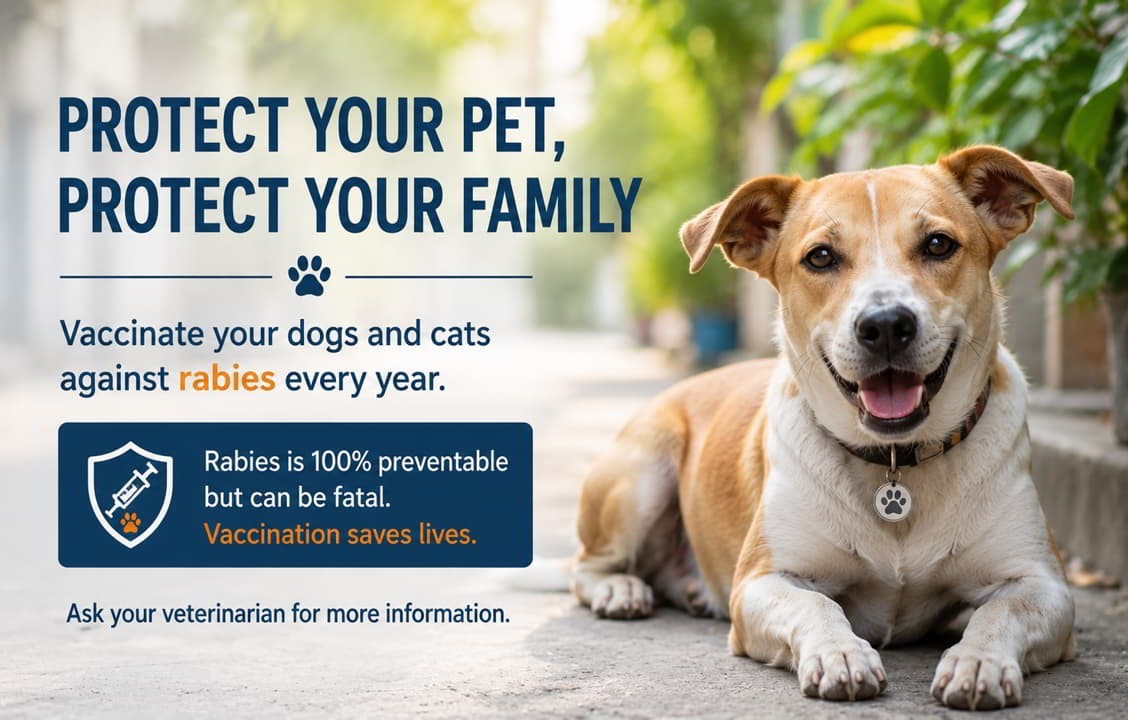
Thailand has significantly reduced the number of human rabies deaths through vaccination campaigns targeting dogs and cats. However, sporadic outbreaks still occur in several provinces each year, particularly in areas with large populations of stray animals.
What Should You Do After a Bite or Scratch?
Wash the Wound Immediately
Health authorities recommend washing the wound thoroughly with soap and running water for at least fifteen minutes.
This simple step can significantly reduce the risk of infection before medical treatment is administered.
Seek Medical Care Without Delay
Even minor bites or scratches should be assessed by a healthcare professional.
Hospitals and clinics throughout Thailand routinely provide rabies post-exposure treatment, including vaccines and immunoglobulin when necessary.
Do Not Wait for Symptoms
Rabies symptoms can take weeks or even months to appear.
However, once neurological symptoms begin, survival is extremely rare. Early treatment remains the most effective protection.
Measures Implemented by Thai Authorities
Expanded Animal Vaccination Campaigns
Officials are working to achieve at least 80% vaccination coverage among dogs and cats.
Pet owners are encouraged to vaccinate their animals from an early age and keep booster vaccinations up to date.
Enhanced Surveillance
Veterinary and public health departments are collaborating to:
- Monitor suspected cases
- Track animal populations
- Investigate outbreaks
- Educate local communities
- Improve reporting systems
These measures are designed to reduce transmission risks and improve outbreak response times.
Should Tourists Be Concerned?
For most visitors, the risk remains low.
However, travellers should avoid touching stray dogs, cats, monkeys, or other animals, even if they appear friendly.
Adventure travellers, long-term visitors, volunteers working with animals, and people staying in rural areas may wish to discuss pre-exposure rabies vaccination with their doctor before travelling to Thailand.
Where Is Rabies Found in Thailand?
Rabies is not limited to Nakhon Ratchasima.
Cases are occasionally reported across different regions of Thailand, including parts of the Northeast, Central Thailand, and areas surrounding Bangkok.
Local authorities regularly conduct vaccination drives and awareness campaigns to keep outbreaks under control.
How to Reduce Your Risk of Rabies While Travelling in Thailand
Following a few simple precautions can dramatically reduce the risk of exposure:
- Avoid contact with stray animals
- Do not feed unknown dogs or cats
- Supervise children around animals
- Seek immediate medical attention after any bite or scratch
- Ensure your travel insurance covers medical treatment in Thailand
These precautions are particularly important in rural areas where free-roaming animals are more common.
Rabies Remains Rare but Deadly
The recent increase in cases in Nakhon Ratchasima is a reminder that rabies has not disappeared from Thailand.
Although modern vaccines make the disease highly preventable, prompt treatment remains essential. Whether you are a tourist, expatriate, or local resident, every animal bite or scratch should be taken seriously.
Quick action can save lives.
FAQ: Rabies in Thailand
Is rabies common in Thailand?
Human rabies cases are relatively rare, but animal cases are reported every year in different provinces.
Can a scratch transmit rabies?
Yes. A scratch contaminated with infected saliva can potentially transmit the virus.
Should travellers get vaccinated before visiting Thailand?
Pre-exposure vaccination may be recommended for long-term travellers, people working with animals, and those spending significant time in rural areas.
Are all stray dogs in Thailand infected with rabies?
No. Most stray dogs are not infected, but it is impossible to determine an animal’s health status simply by looking at it.
What should I do if a dog bites me in Thailand?
Wash the wound immediately with soap and water and seek medical treatment as soon as possible.
Is rabies treatment available in Thailand?
Yes. Rabies vaccines and post-exposure treatment are widely available in both public and private hospitals throughout the country.