

Bolaven Plateau Coffee: Discovering Lao Coffee and the Harvest Season
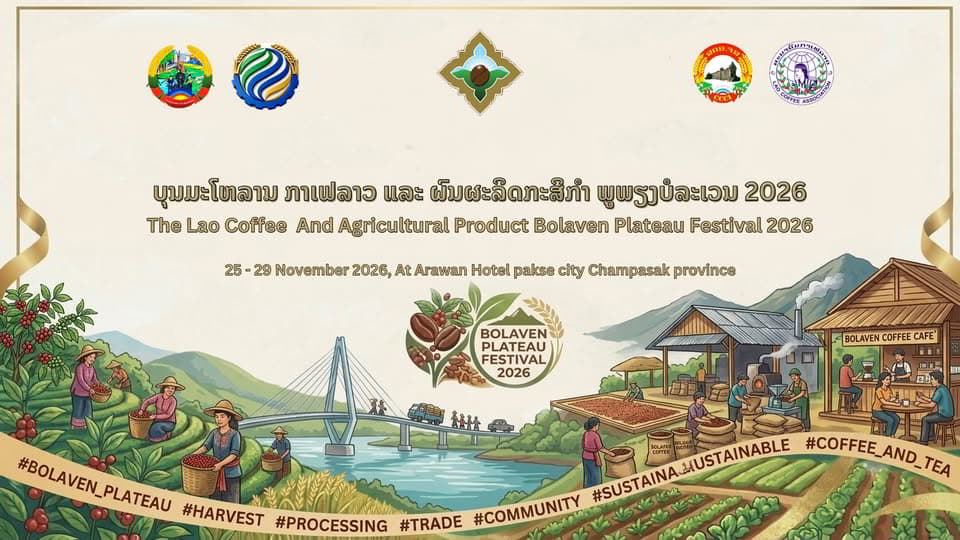
From 25 to 29 November 2026, Pakse hosts the Lao Coffee and Bolaven Plateau Agricultural Products Festival. Coffee tastings, roasting demonstrations, barista competitions and plantation visits celebrate one of Laos’s most important coffee-growing regions.
A festival and a region to discover
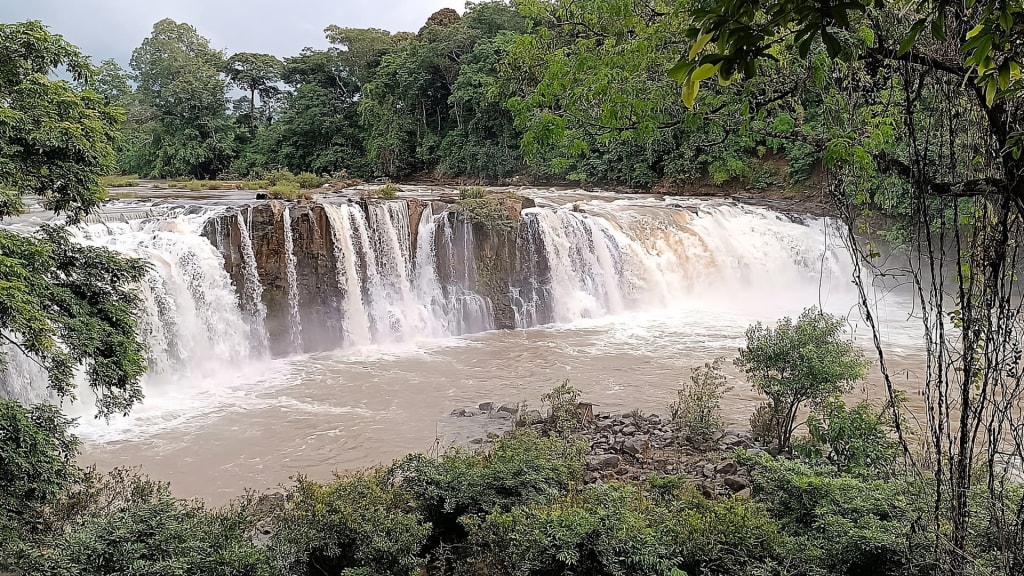
In southern Laos, the Bolaven Plateau is known for its waterfalls, green landscapes and volcanic soils. It is also the country’s historic coffee-growing heartland. As a new harvest season gets underway, Pakse is hosting a festival dedicated to the local coffee industry, its producers and the different varieties grown across the region.
Held from 25 to 29 November 2026 at the Arawan Riverside Hotel, the Lao Coffee and Bolaven Plateau Agricultural Products Festival will bring together farmers, businesses and visitors for tastings, product exhibitions and demonstrations. Tours of coffee plantations and fruit orchards are also planned in Paksong District, on the plateau.
The Bolaven Plateau, the heart of Lao coffee production
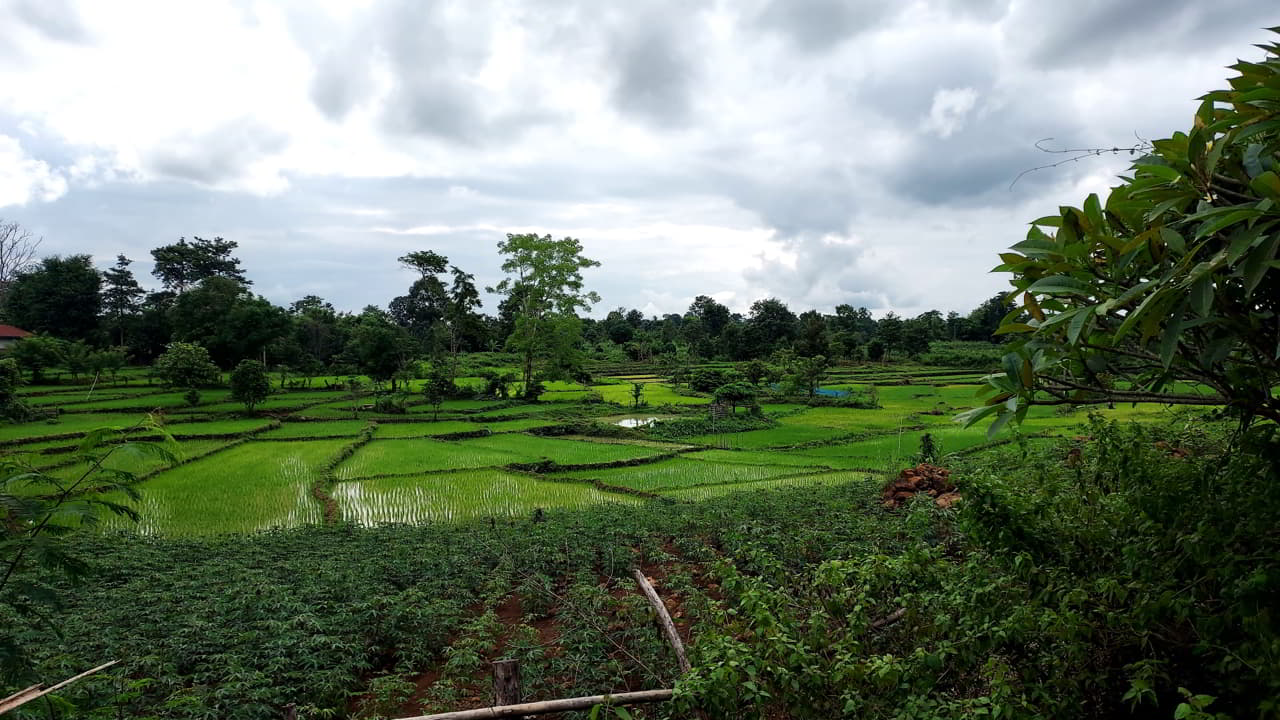
Located in southern Laos, mainly in Champasak Province and neighbouring provinces, the Bolaven Plateau offers favourable conditions for coffee cultivation. Its elevation, cooler highland climate and volcanic soils have helped establish coffee as a major agricultural activity in the region.
Coffee cultivation dates back to the early twentieth century, when the French introduced coffee plants to the area. Over time, it became an important source of income for rural communities. Production still relies heavily on family farms, although local cooperatives and companies now play an increasingly important role in improving cultivation, processing and marketing.
Two main coffee species are grown in the region: Arabica and Robusta. Arabica is generally cultivated at higher elevations, where temperatures are cooler. Robusta, historically dominant in Lao coffee production, is also grown at relatively high altitudes on the plateau.
When is coffee harvested on the Bolaven Plateau?
The coffee harvest in Laos takes place over several months, depending on the species, altitude and weather conditions.
On the Bolaven Plateau, Arabica is generally harvested from October to December, while Robusta is mainly harvested from December to February. The harvest season therefore begins in autumn and continues through the dry season.
Coffee cherries do not all ripen at the same time. To achieve better quality, growers often use selective hand-picking, choosing cherries once they have turned fully red. Several picking rounds may be needed on the same trees throughout the season.
Harvesting is an important period for farming families across the plateau. It requires considerable labour and marks the beginning of another crucial stage in the coffee-making process: processing the cherries.
From coffee cherry to bean: processing and drying
Once harvested, coffee cherries must be processed to separate the beans from the fruit and prepare them for storage or sale.
Two main methods are used. With the washed process, cherries are pulped, and the beans are fermented and washed before drying. With the natural process, whole cherries are dried, often in the sun, before the beans are removed. These different methods influence the final flavour profile.
The Bolaven Plateau Coffee Producers Cooperative, for example, describes its washed Arabica as aromatic, lightly acidic and fruity. Its naturally processed Robusta is fuller-bodied, with mild acidity and chocolate notes.
After drying, the beans are hulled and sorted. They can then be sold as green coffee, including for export, or sent for roasting.
When is Lao coffee roasted?
Harvesting and roasting are two separate stages. Harvesting is seasonal, while roasting takes place after the beans have been processed and dried.
There is therefore no single roasting season limited to a few weeks. Producers and roasters can work throughout the year, depending on available stocks, orders and the marketing of previous harvests.
On the Bolaven Plateau, the months following the harvest are an important time for preparing new batches for local consumption and export. Roasting transforms green coffee beans into the product that can be ground and brewed. The roast level — light, medium or dark — affects the aromas, bitterness and body of the coffee.
The Bolaven Plateau Coffee Producers Cooperative, for instance, offers several medium-roasted coffees, including washed Arabica, washed Robusta and natural Robusta, as well as a blend combining Arabica and Robusta.
What does Bolaven Plateau coffee taste like?
There is no single flavour profile for Bolaven Plateau coffee. The taste in the cup depends on the species, variety, altitude, ripeness of the cherries, processing method and roast level.
Washed Arabica is generally valued for its aromatic character, delicate acidity and fruity notes. Robusta often offers more body and a stronger cup. When naturally processed, it can develop rounder flavours, sometimes with chocolate notes.
The region is also developing specialty coffee production and experimenting with a wider range of processing methods. These changes are helping Lao coffee reach markets beyond its traditional customer base, including drinkers interested in coffees with a distinct regional identity.
Our Take
Is Bolaven Plateau coffee any good? For coffee lovers, the answer is not quite that simple. There is no completely objective answer, as we all have our own preferences. Compared with some South American coffees, for example, it generally feels less intense on the palate, but also more subtle. Its aromas tend to give way to earthier flavours, sometimes with delicate vegetal notes.
It is also worth noting that, depending on the roasting and brewing method, it can taste lighter than many African-grown Arabica coffees. This makes it particularly appealing to people who prefer to avoid overly sharp or strong coffees. It is an excellent choice for a gentle start to the day.
One of the pleasures of Bolaven Plateau coffee is being able to enjoy it in the small cafés you come across while travelling the loop. The coffee and the surrounding scenery seem to complement each other naturally. With the plateau’s lush landscapes, relatively cool highland climate and relaxed atmosphere, stopping for a cup becomes part of the travel experience itself.
Lao Coffee Festival in Pakse: 2026 programme
The Lao Coffee and Bolaven Plateau Agricultural Products Festival will take place from 25 to 29 November 2026 at the Erawan Riverside Hotel in Pakse, Champasak Province.
The event aims to connect farmers, companies, industry associations and buyers, while promoting agricultural products from southern Laos.
The announced programme includes:
- Exhibitions of coffee and agricultural products
- Coffee-tasting sessions
- Roasting and brewing demonstrations
- A barista competition with total prizes of 20 million kip
- Seminars on coffee production, processing, quality control and marketing
- Visits to coffee plantations and fruit orchards in Paksong District
- Traditional arts performances and cultural activities
The festival is not exclusively aimed at coffee professionals. It also offers visitors an opportunity to discover the different stages of production and understand the importance of coffee to the local economy.
Exploring coffee farms during a Bolaven Plateau trip
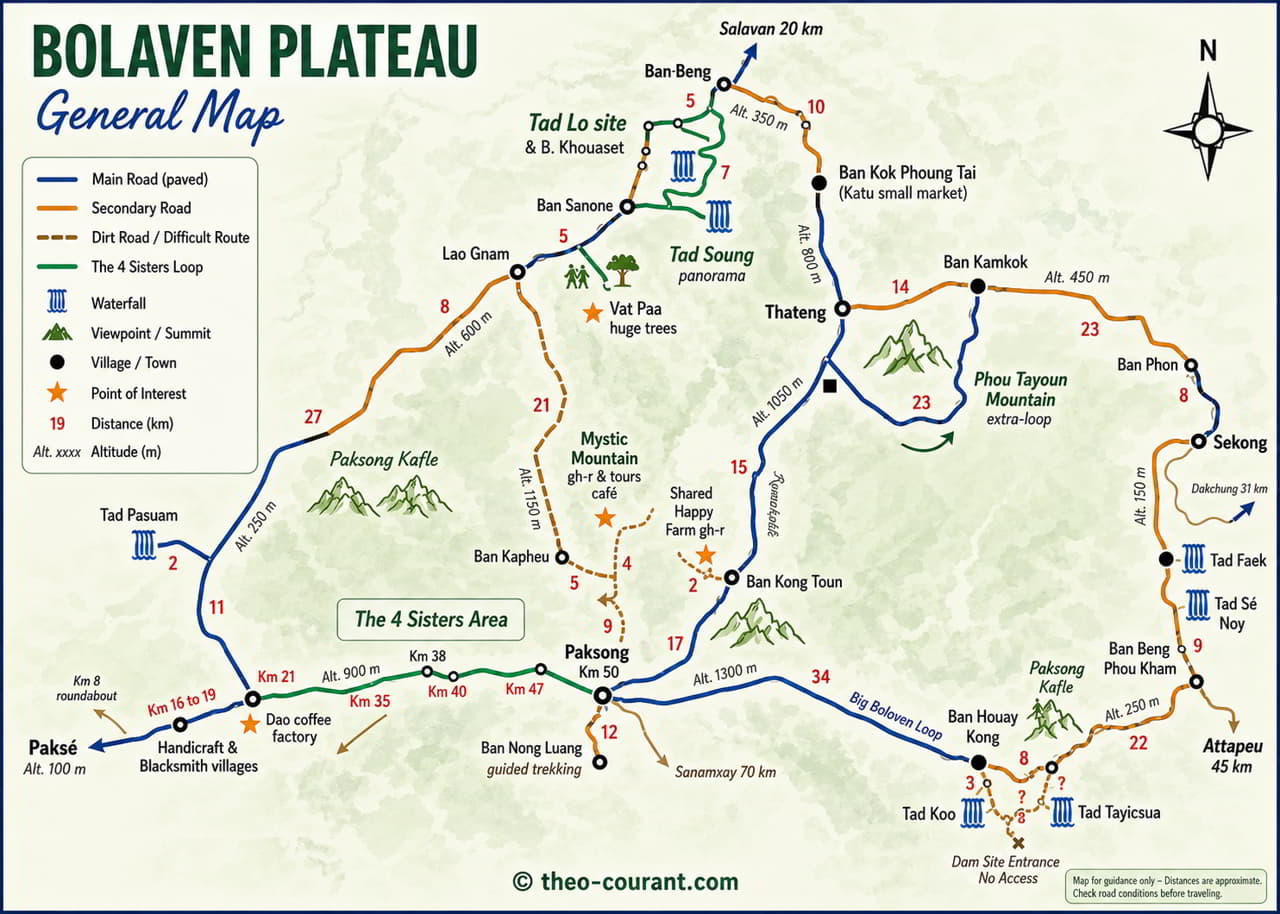
The festival takes place in Pakse, but much of the coffee-growing activity can be discovered on the plateau itself, particularly around Paksong. Plantations, small processing facilities and specialist coffee shops offer opportunities to learn about the work of local producers and different preparation methods.
Visiting during the harvest period, from November to February depending on the species, can be a good opportunity to see picking, cherry sorting and the first stages of processing. However, access depends on individual farms and producers that welcome visitors.
Coffee can also be part of a wider trip through Champasak Province. The waterfalls of Tad Fane and Tad Yuang, the plateau’s agricultural landscapes and the historic site of Vat Phou provide additional reasons to explore this part of southern Laos.
For travellers interested in understanding the region beyond its scenery, coffee offers an engaging introduction to its agricultural history and local expertise.
FAQ – Bolaven Plateau Coffee and Harvest Season
When is coffee harvested in Laos?
On the Bolaven Plateau, Arabica is generally harvested from October to December, while Robusta is mainly harvested from December to February. Exact dates vary depending on the farms and weather conditions.
What is the difference between Bolaven Arabica and Robusta?
Arabica is generally appreciated for its delicate aromas and fruity notes. Robusta often has more body and a stronger flavour. Processing and roasting methods also have a significant influence on the final cup.
When is Bolaven Plateau coffee roasted?
Roasting takes place after harvesting, processing and drying. It can happen throughout the year, depending on available stocks and the needs of producers and roasters.
Where can visitors explore coffee plantations on the Bolaven Plateau?
Coffee farms are found around Paksong, on the Bolaven Plateau east of Pakse. Some farms and local businesses offer visits or tastings, depending on availability.
When is the 2026 Lao Coffee Festival?
The festival takes place from 25 to 29 November 2026 at the Erawan Riverside Hotel in Pakse, Champasak Province.