Penang Wat Chayamangkalaram Temple: George Town’s Famous Reclining Buddha
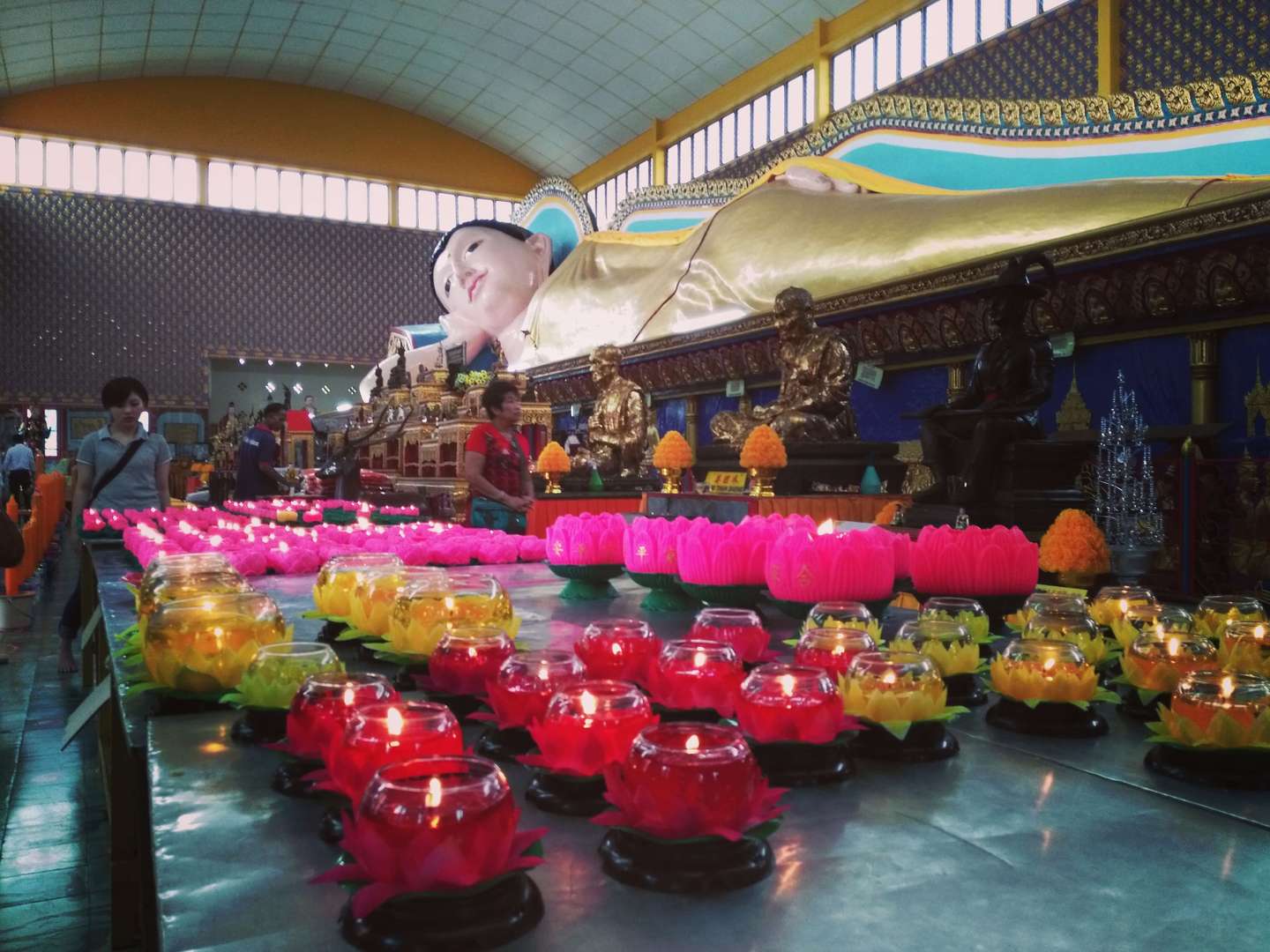
In George Town, Penang, the Reclining Buddha at Wat Chayamangkalaram and the Dhammikarama Burmese Temple showcase the heritage of Thai and Burmese communities. These iconic temples are must-see landmarks — let’s explore them in detail.
History of Wat Chayamangkalaram
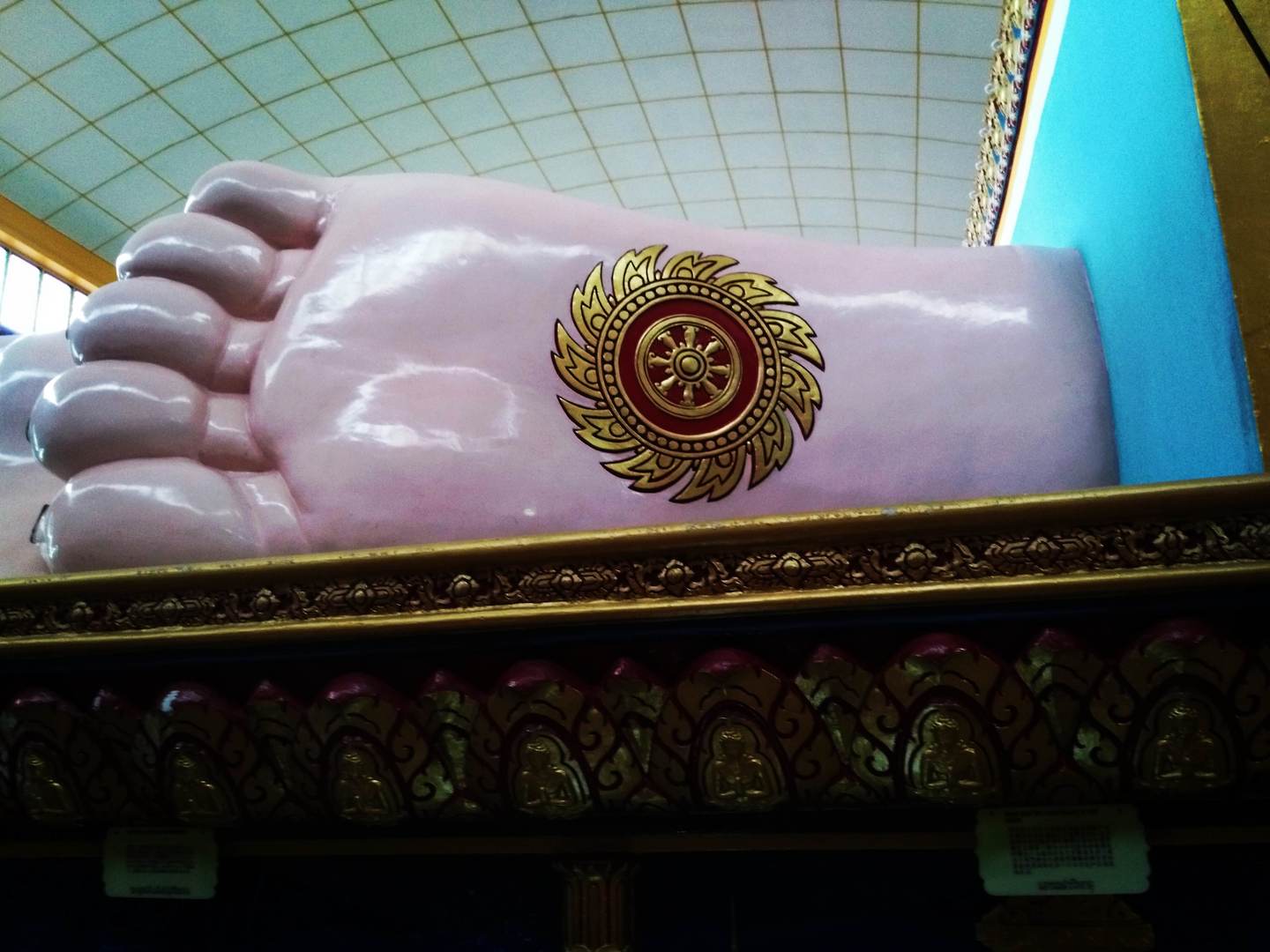
Wat Chayamangkalaram, also known as Wat Chayaman, is one of the few Buddhist sites belonging to Penang’s Thai community. It was built in 1845 on land donated by Queen Victoria. The gesture was both diplomatic and political. Since the Kingdom of Siam remained independent, many initiatives aimed to maintain good relations with King Rama III.
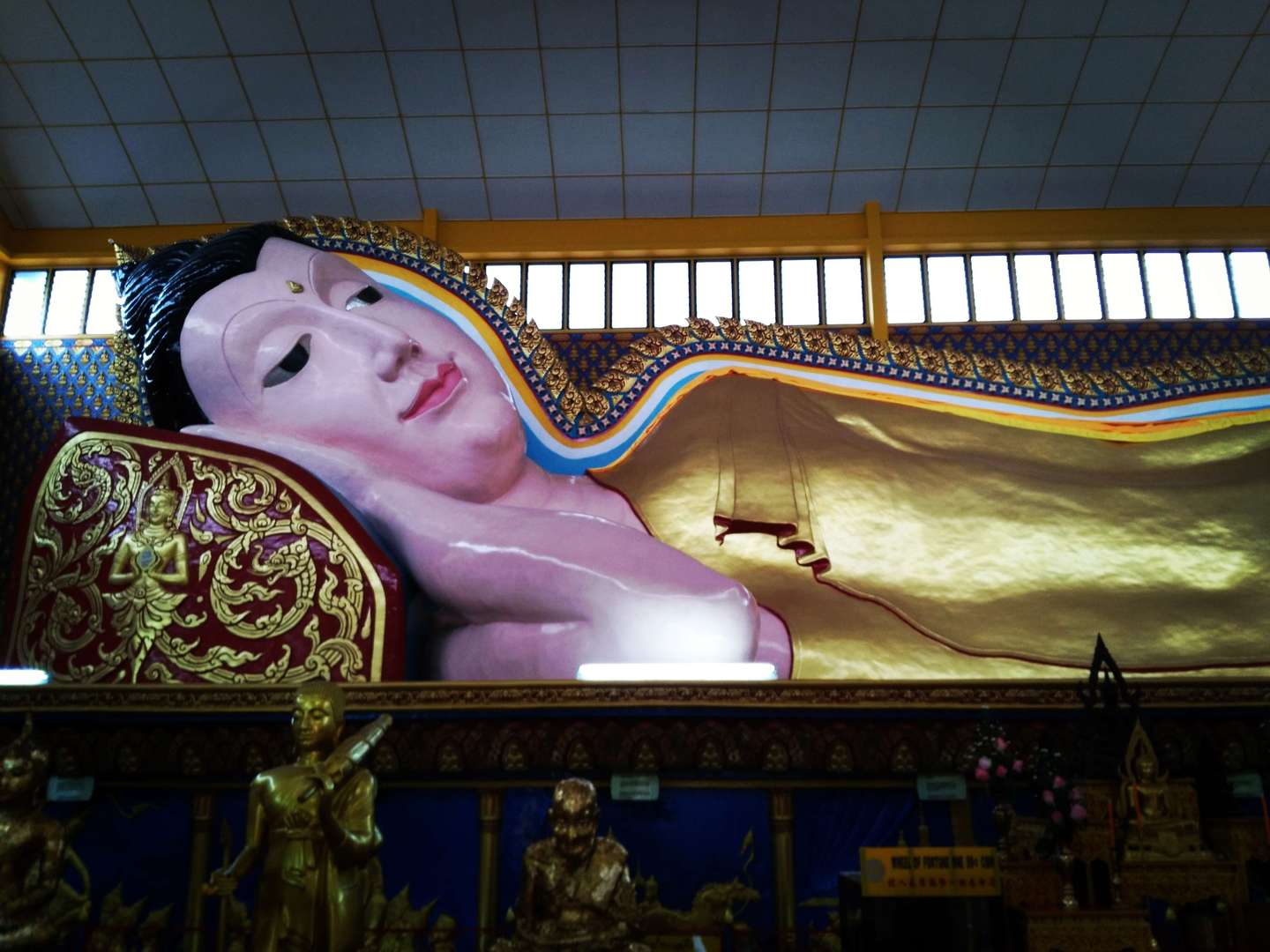
Over time, the community developed a temple worthy of the royal donation. In 1958, the Phra Chaiya Mongkol was built. Although often described as a reclining Buddha, it actually represents the Buddha in a resting position.
At 33 metres long, Wat Chayamangkalaram boasts one of the world’s largest reclining Buddha statues. The statue also serves as a columbarium, housing the funeral urns of members of the local Thai community. In 1970, a stupa was added to the temple grounds.
The Dhammikarama Burmese Buddhist Temple
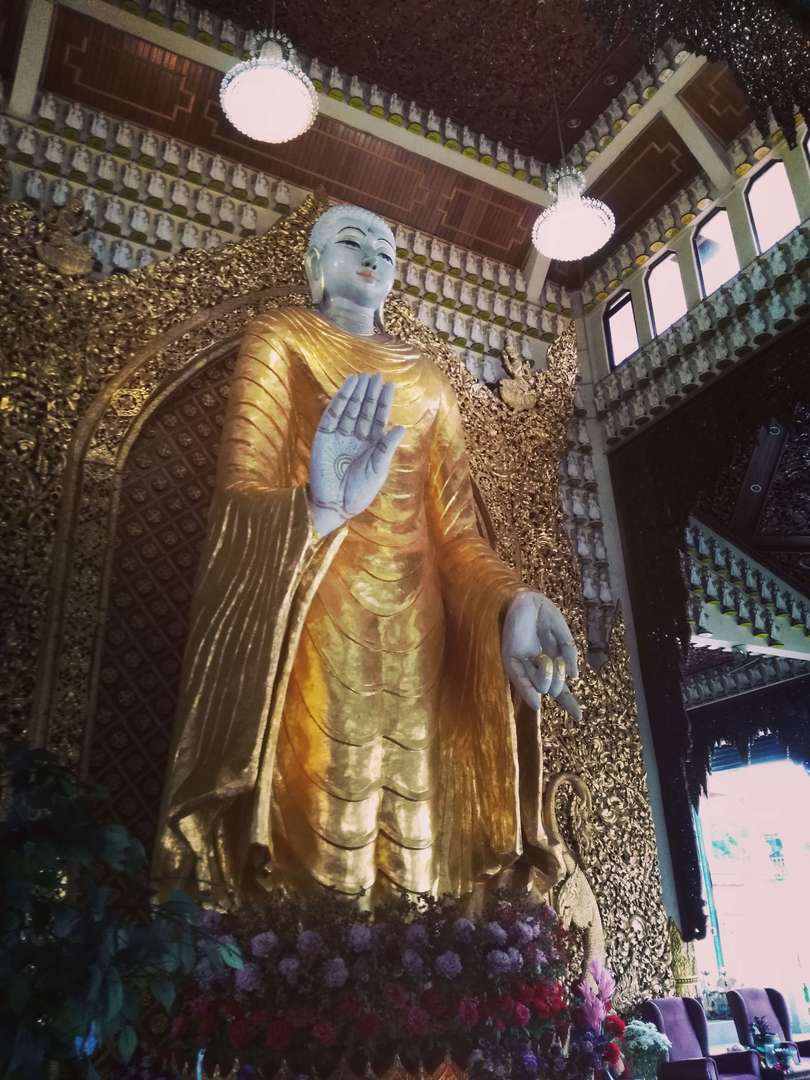
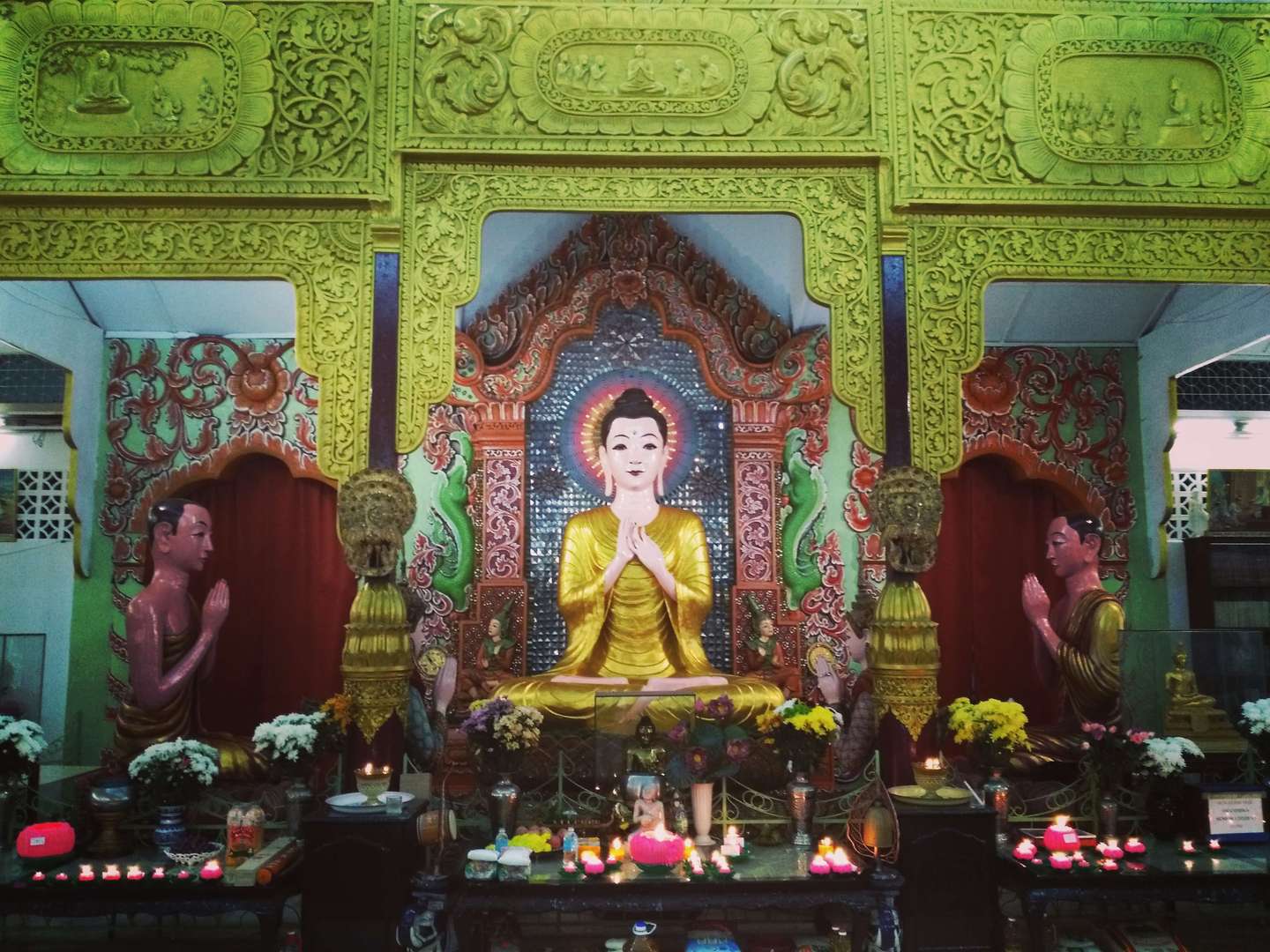
Directly opposite the Wat stands another community temple, built by Penang’s Burmese community. This is the Dhammikarama Temple, the only Burmese Buddhist temple on the island. Its construction predates Wat Chayamangkalaram. Built in 1803, it is the oldest Buddhist temple in Penang.
Although the temple features an impressive standing Buddha statue dressed in traditional robes, its atmosphere is quite different from that of Wat Chayamangkalaram.
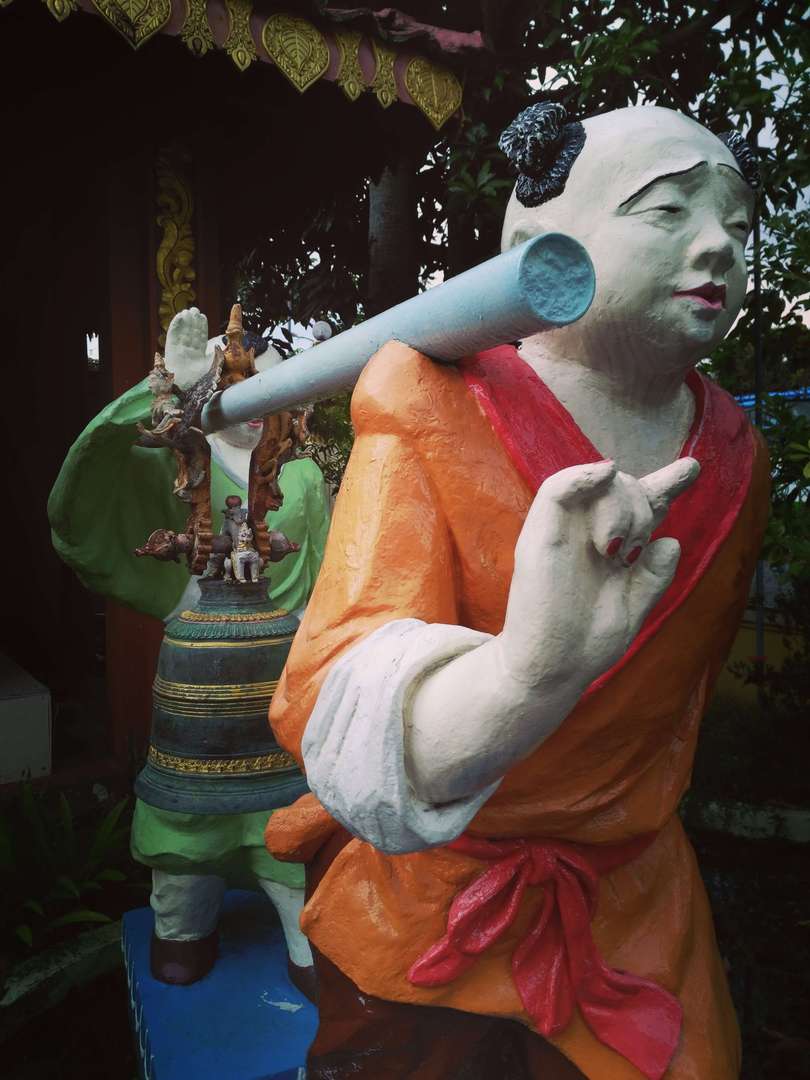
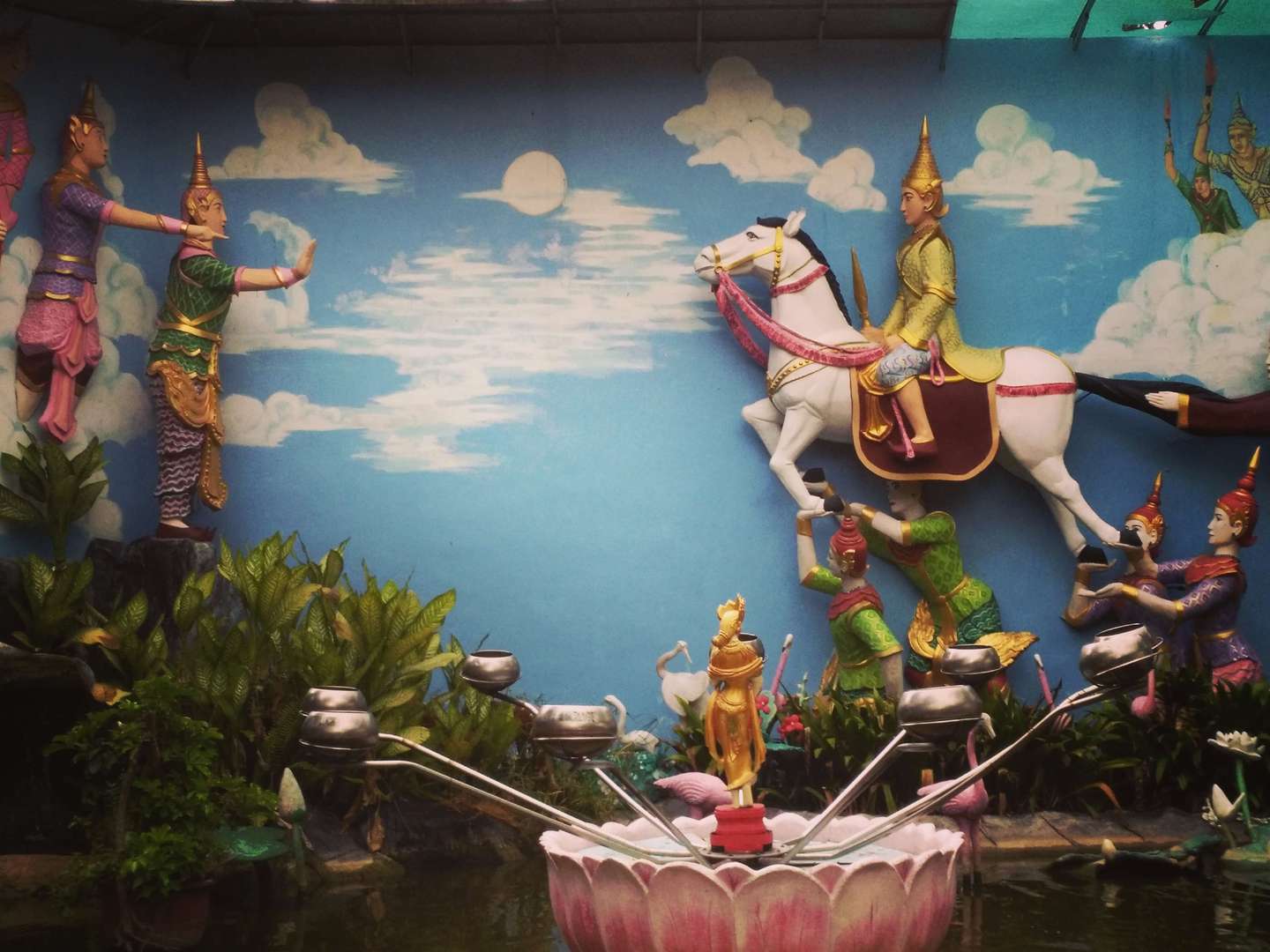
Dhammikarama has a slightly kitsch appearance, with fountains and statues of mythical creatures. These figures combine elements of fish, garuda and elephant. They symbolise the three essential elements of life: water, air and earth.
The visit is relatively quick and can easily be combined with a trip to the Tropical Spice Garden. Public buses stop only 100 metres away.
Why visit both temples?
Visiting both temples offers an opportunity to discover two distinct Buddhist traditions that have shaped Penang’s multicultural heritage. The Thai and Burmese communities have preserved their religious and cultural identities for more than two centuries, making these temples some of the most interesting cultural landmarks in George Town.

Practical Information
How to get there?
- Public buses: 10, 101, 103, 104, 304
- Penang Hop-On Hop-Off Bus
Additional information:
- Open daily from 7:00 AM to 6:00 PM
- Free admission
- Address: see Wat Chayaman
FAQ
Where is the Reclining Buddha in Penang?
The Reclining Buddha is located inside Wat Chayamangkalaram in George Town, Penang, Malaysia.
How long is the Reclining Buddha at Wat Chayamangkalaram?
The statue measures approximately 33 metres in length and is one of the largest reclining Buddha statues in Southeast Asia.
Is Wat Chayamangkalaram free to visit?
Yes, entrance to the temple is completely free.
What is the oldest Buddhist temple in Penang?
Dhammikarama Burmese Temple, founded in 1803, is considered the oldest Buddhist temple in Penang.
How much time should I allow for the visit?
Most visitors spend between one and two hours exploring both temples.
Can I reach the temples by public transport?
Yes. Several public bus routes, including 10, 101, 103, 104 and 304, stop nearby.