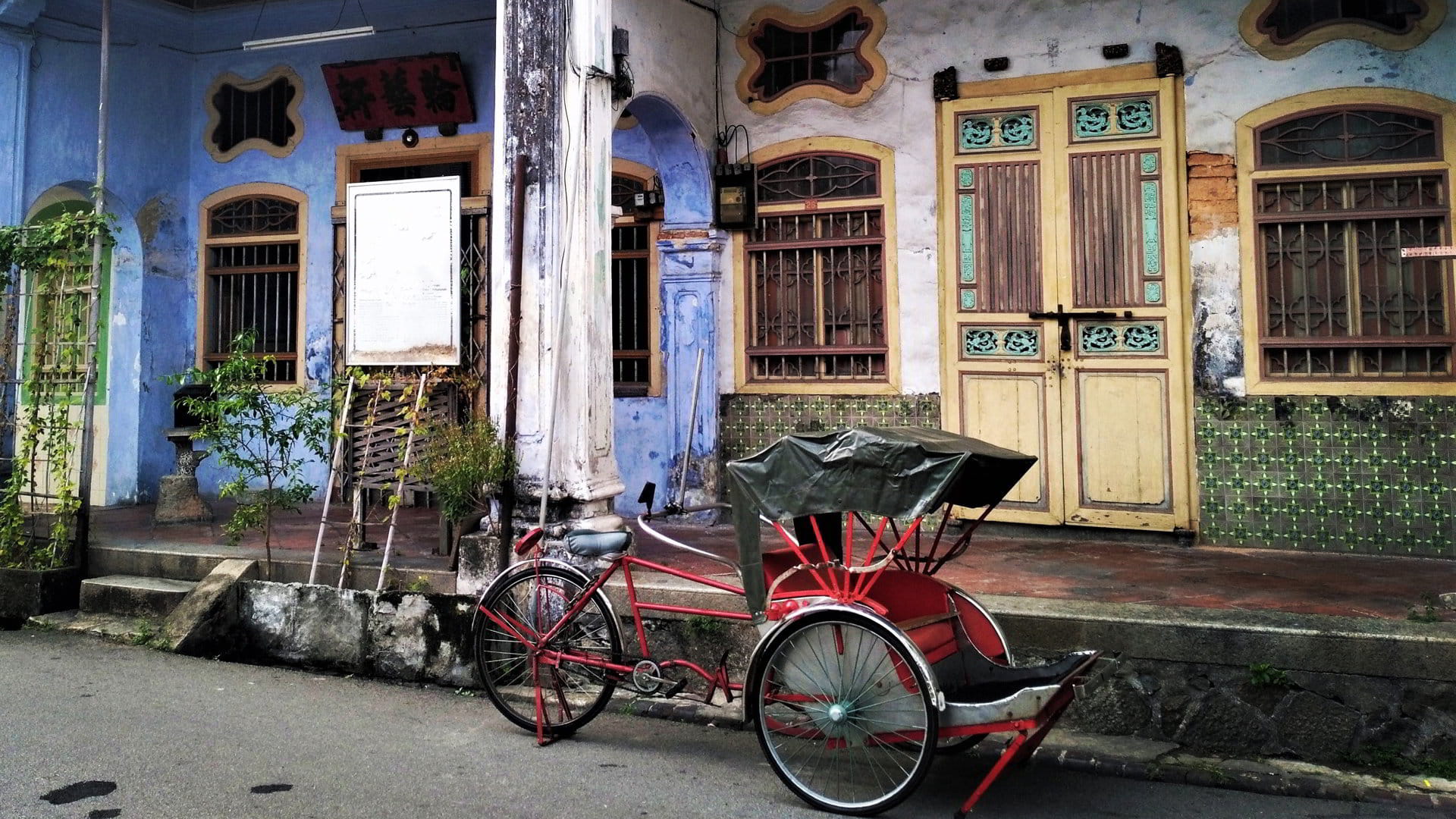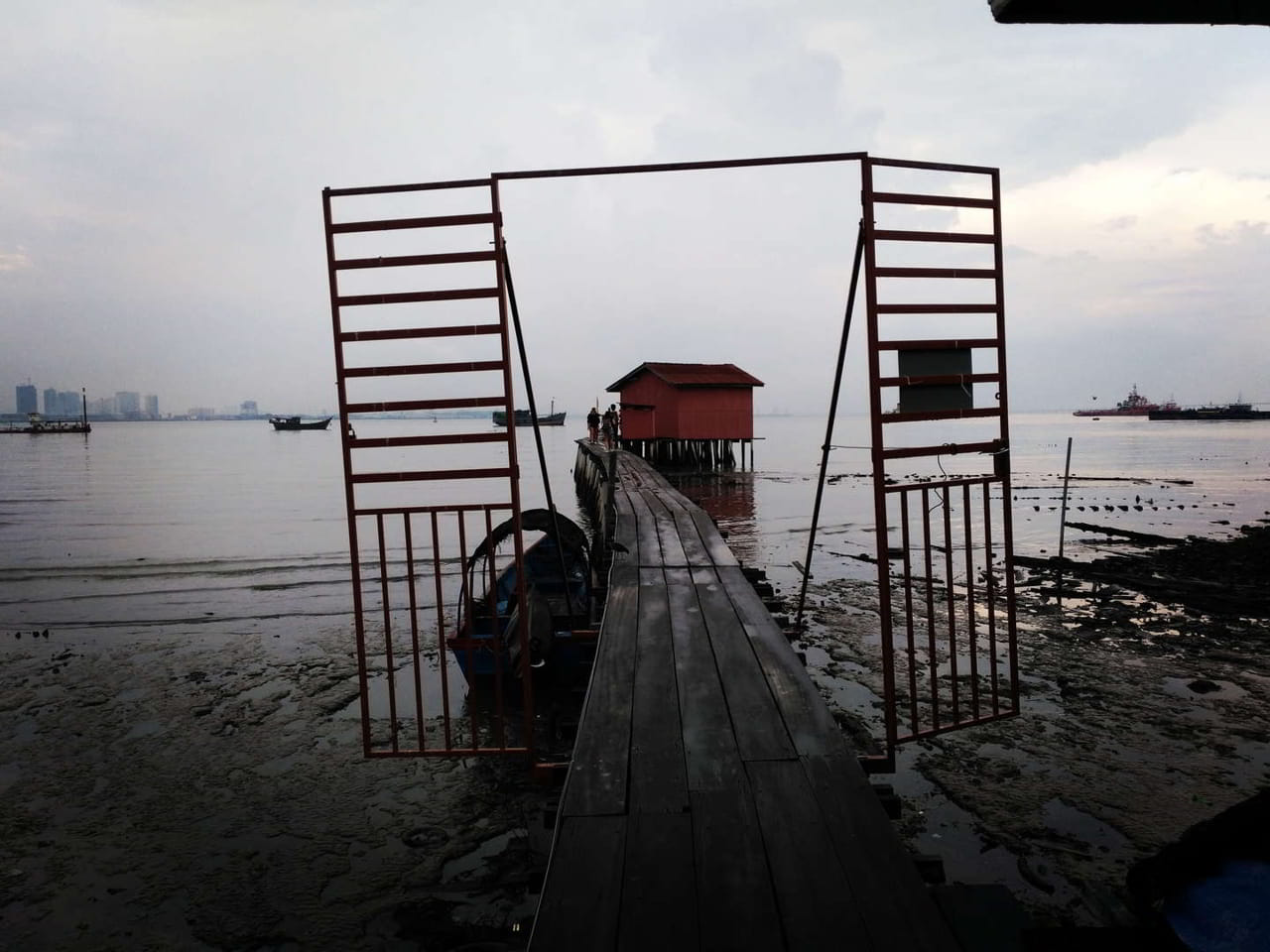
Penang Clan Jetties: Discover George Town’s Floating Villages
The Clan Jetties of Penang tell another story of George Town. Built above the water along the island’s waterfront, these wooden villages still reflect the waves of Chinese immigration that shaped Penang’s multicultural identity.
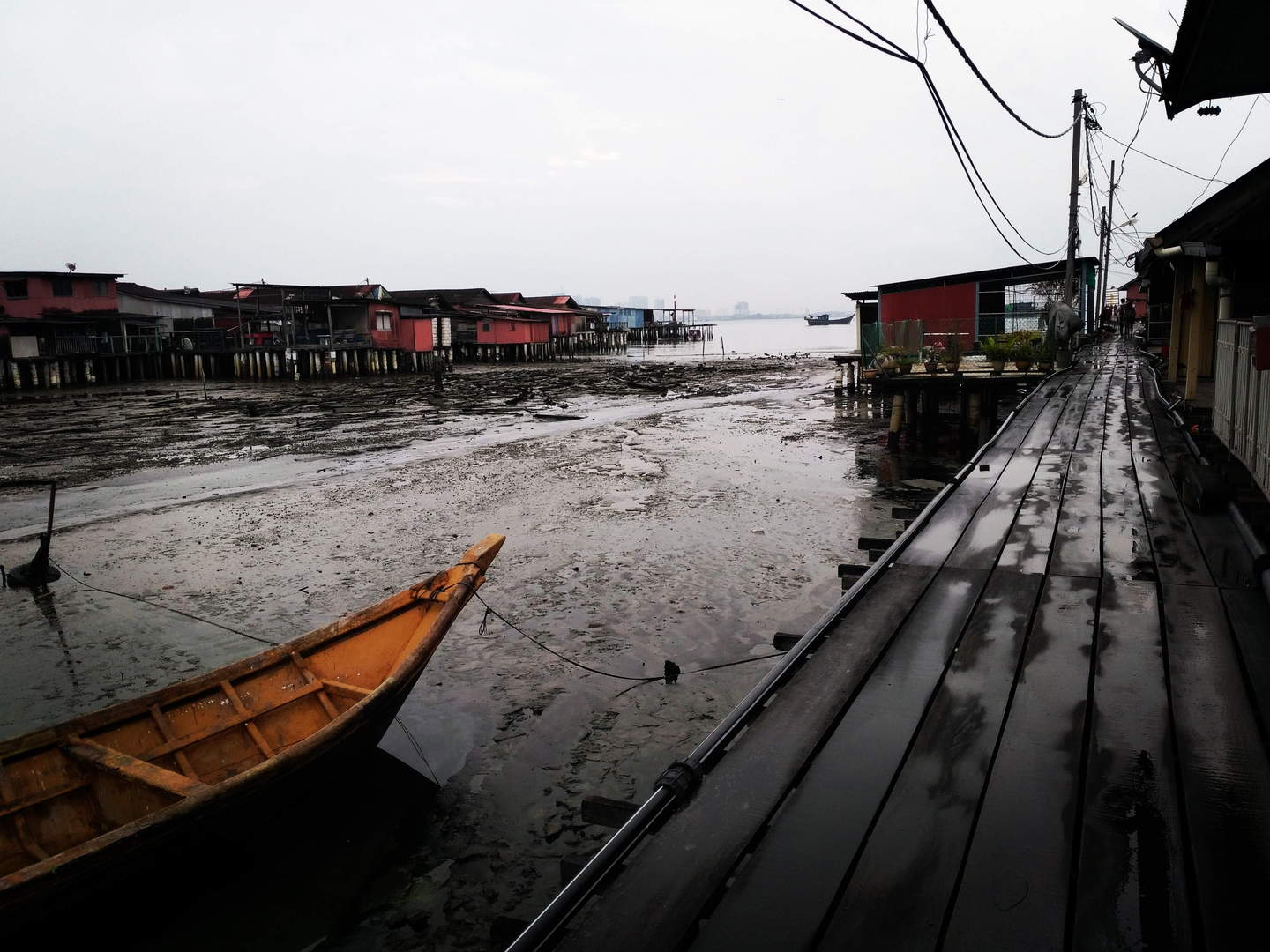
The Clan Jetties: a unique heritage site in George Town
Penang has long occupied a strategic position along the Strait of Malacca. Thanks to its location, the island quickly became one of Southeast Asia’s major maritime trading ports.
Today, George Town has modern infrastructure capable of welcoming ferries and cargo ships. But in the past, goods arrived mainly aboard small sampans docking directly near the shoreline.
It was in this environment that the waterfront communities known today as the Clan Jetties first appeared.
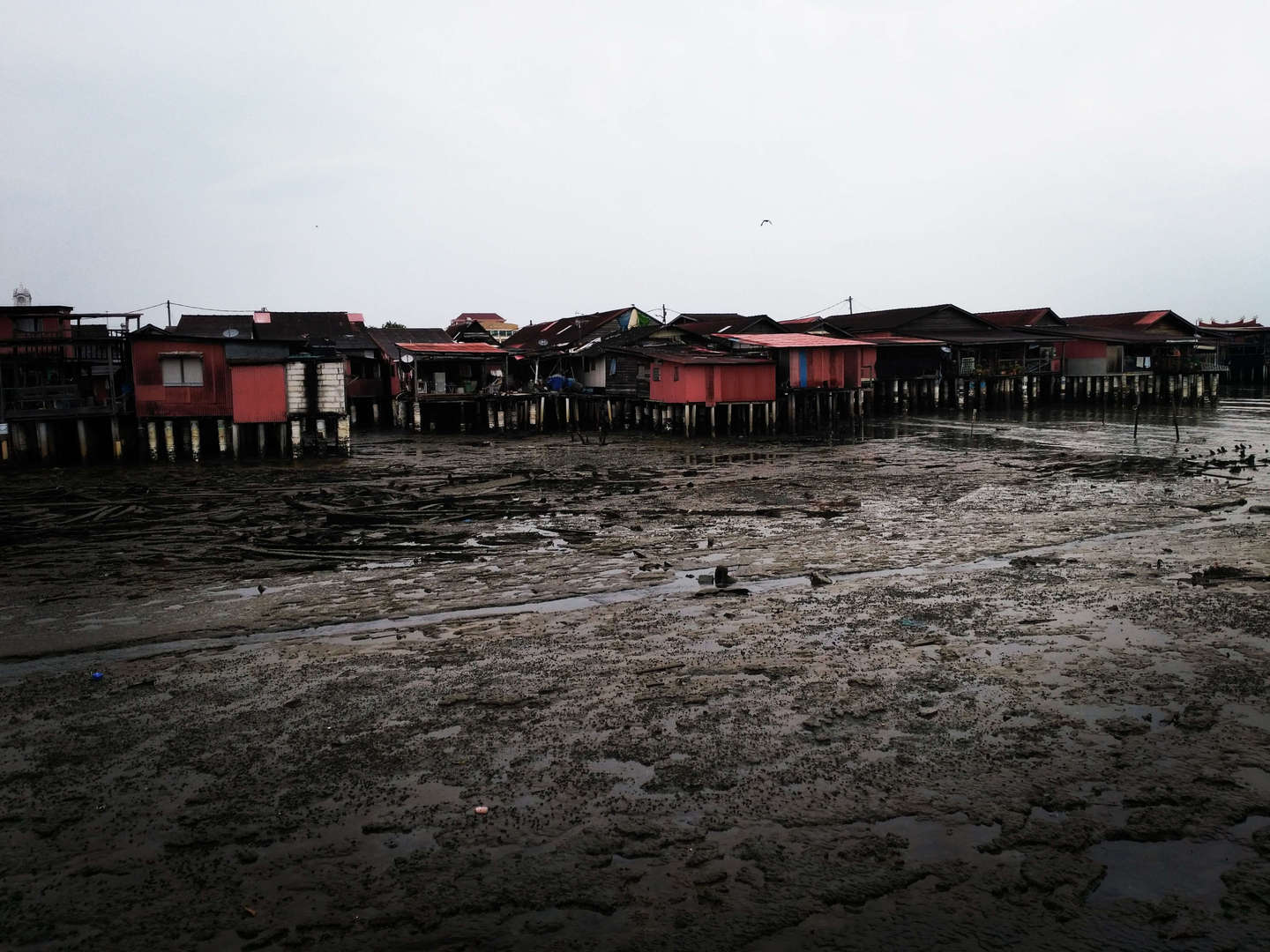
History of the Clan Jetties in Penang
From the 19th century onward, Penang became an important regional trading hub. Many Chinese immigrants arriving from southern China worked as dockers and port labourers.
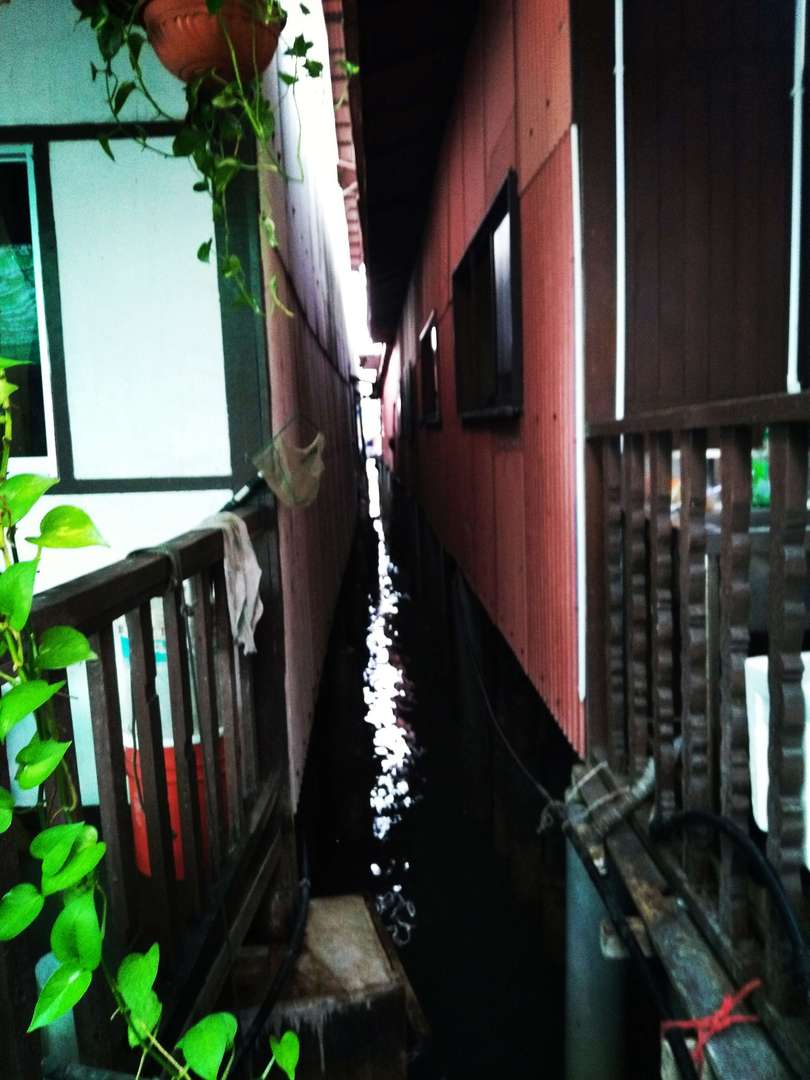
Gradually, wooden piers were built over the former mangrove shoreline.
Chinese families then started building homes directly on the wooden walkways. Over time, each clan established its own jetty community.
Seven main clans eventually occupied different parts of the waterfront.
Today, the jetties still carry the names of these families:
- Lim Jetty
- Chew Jetty
- Tan Jetty
- Yeoh Jetty
- Koay Jetty
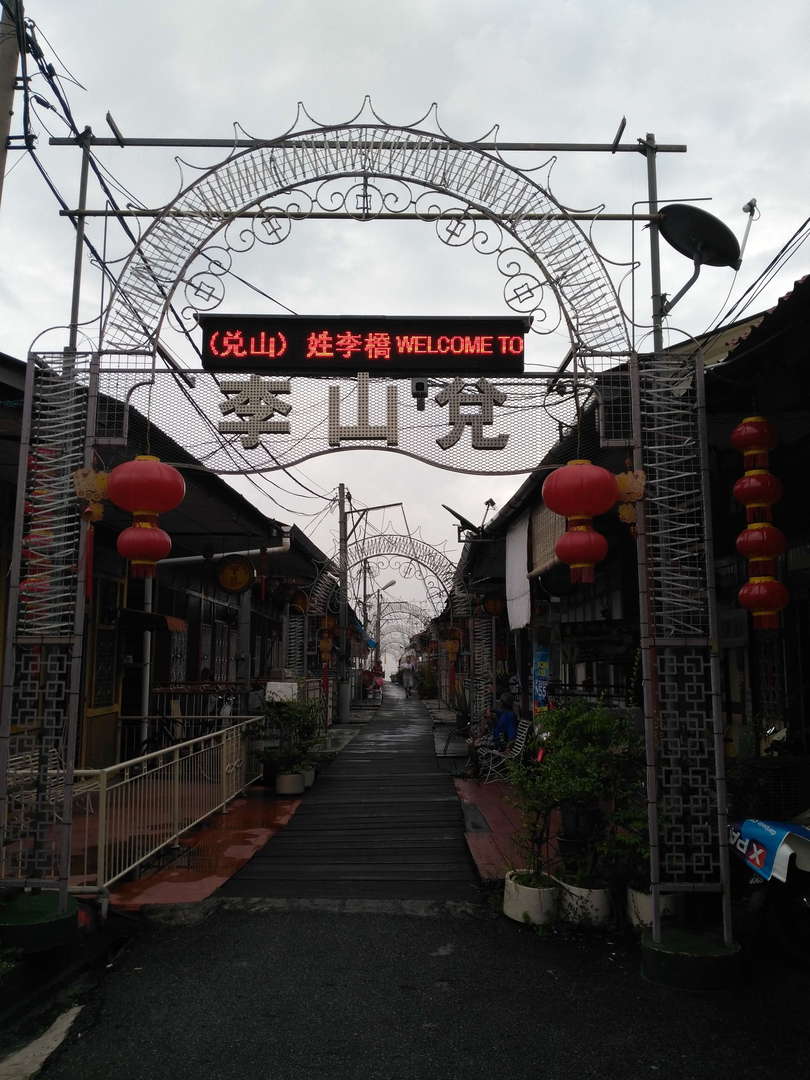
- Lee Jetty
- Mixed Surname Jetty
Chew Jetty remains the most famous and most visited.
From marginalised neighbourhoods to UNESCO heritage
Today, the Clan Jetties are among the most visited attractions in George Town. Yet for decades, these waterfront communities lived in difficult conditions.
Running water and electricity only arrived in 1957 following municipal elections.
Because the houses were built over the sea, they were not officially registered in land records. Residents were often viewed as illegal occupants despite living there for generations.
When George Town was listed as a UNESCO World Heritage Site, perceptions slowly changed. Many houses were restored and several jetties became important tourist attractions.
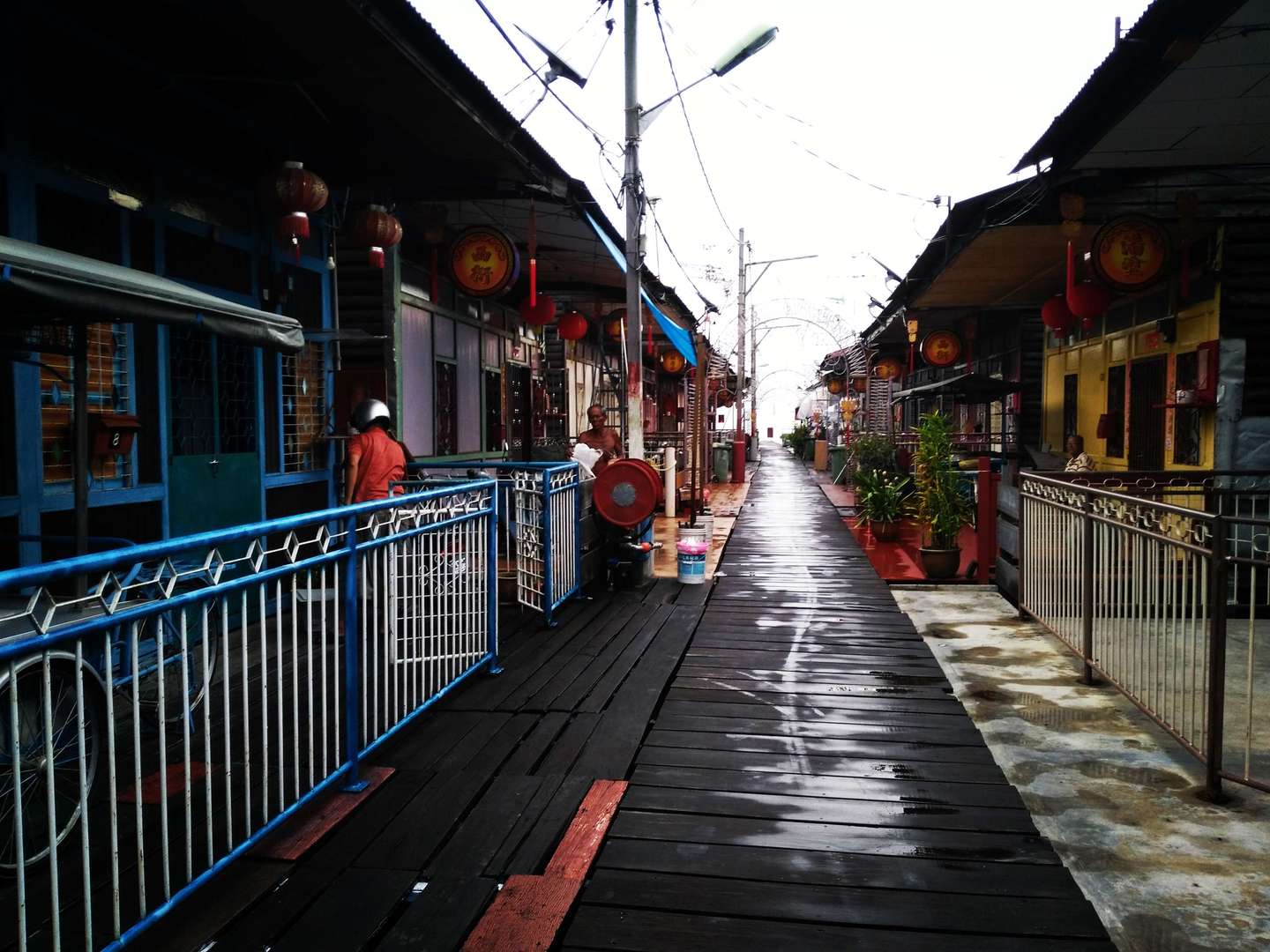
Despite growing tourism, the Clan Jetties remain living communities rather than open-air museums.
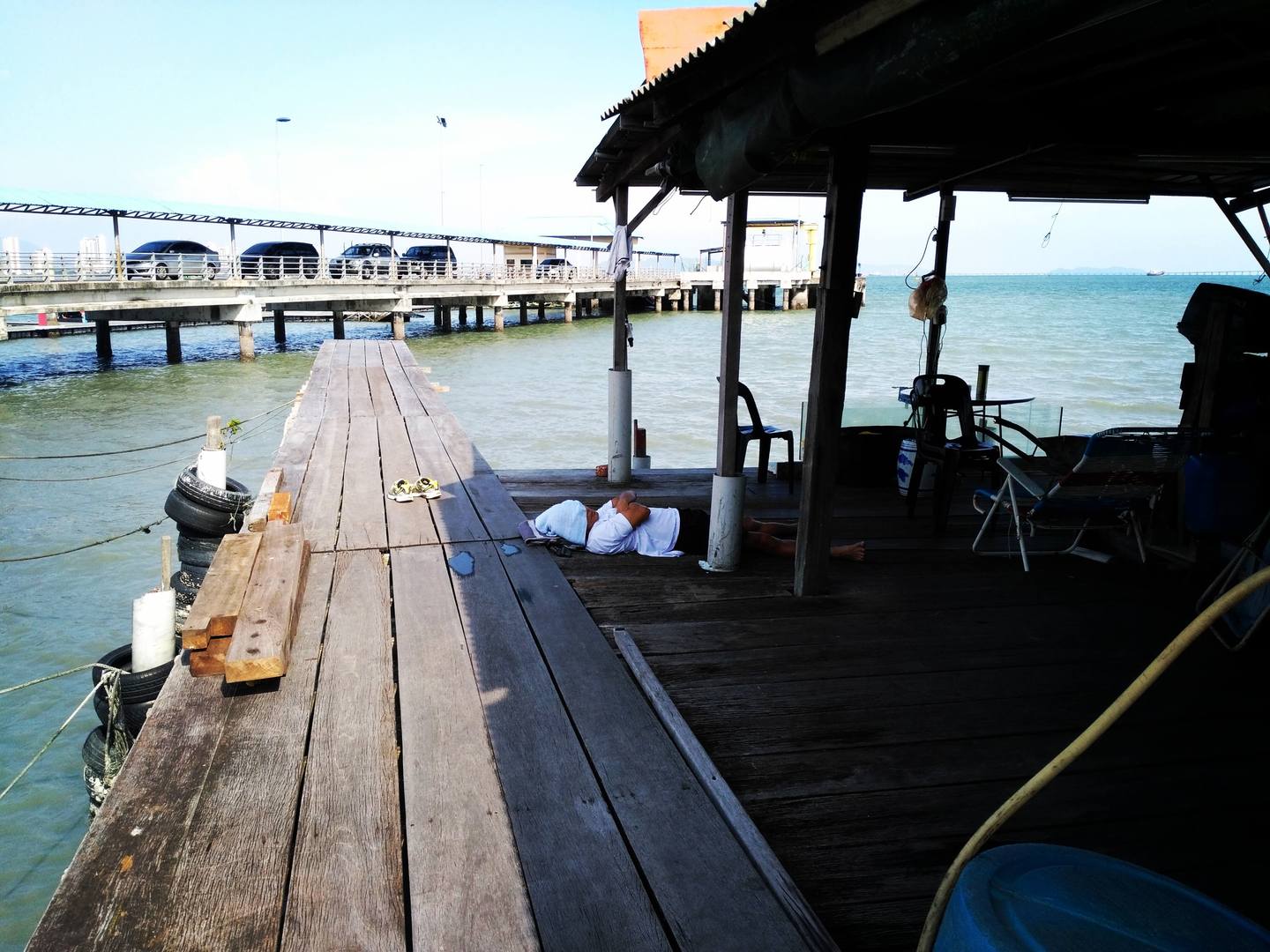
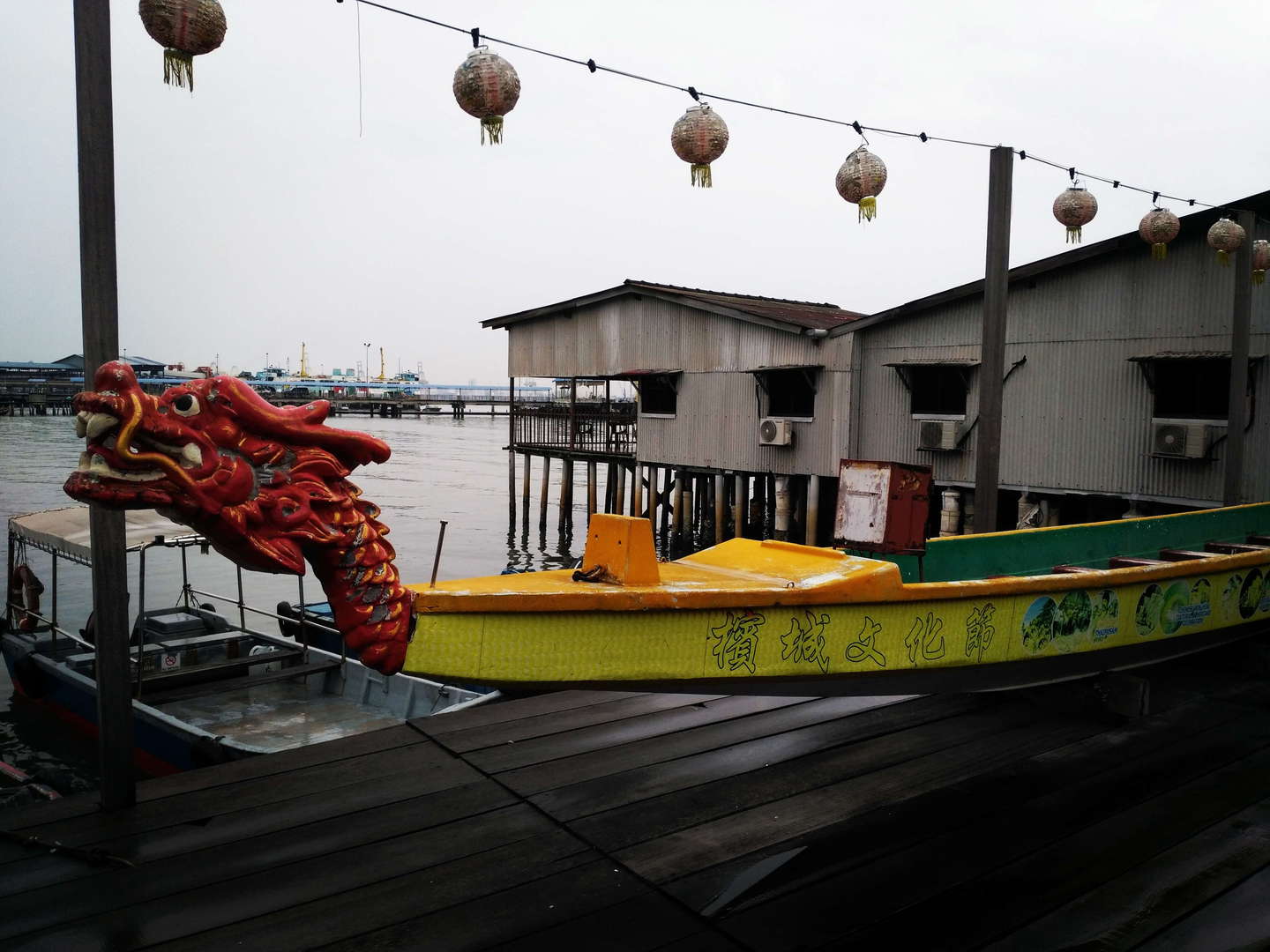
What can you see in the Clan Jetties today?
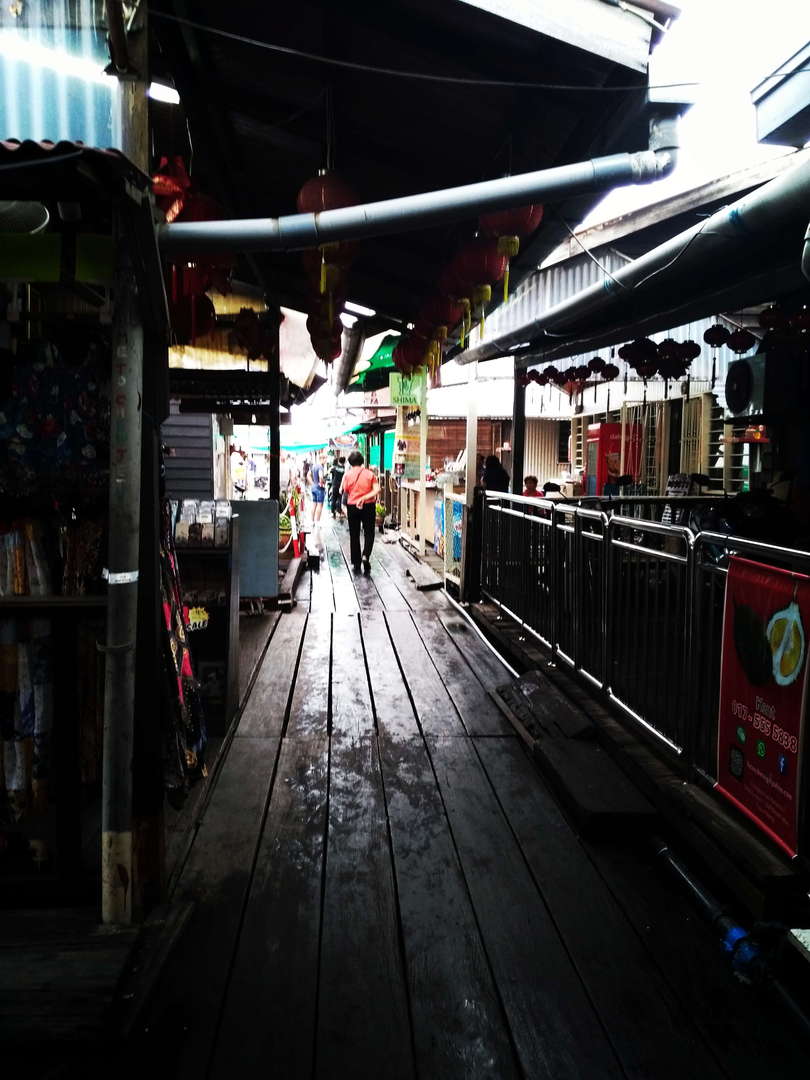
With the rise of tourism in Penang, some jetties now include souvenir shops, cafés, small bars and even guesthouses.
Chew Jetty attracts most visitors, but several other jetties remain quieter and preserve a more authentic atmosphere.
The real interest of the Clan Jetties goes beyond the wooden stilt houses themselves. These communities still preserve the memory of Penang’s historic Chinese port workers and maritime culture.
To explore the different jetties, simply follow the waterfront road and walk through the narrow wooden alleys stretching above the water.
Why visit the Clan Jetties early in the morning?
Morning is the best time to visit the Clan Jetties.
The light is softer for photography and the atmosphere much quieter before tourist groups arrive. Some residents still perform Buddhist or Taoist rituals outside their homes.
At low tide, the wooden stilts and the structure of the jetties also become much more visible.
Good to know
Early morning is the ideal moment to enjoy better lighting conditions and observe the daily life of the communities before the busiest hours.
Practical tips for visiting the Clan Jetties
- Visit early morning or late afternoon
- Respect local residents since many areas remain private
- Avoid photographing houses without permission
- Bring water as temperatures can become very hot
- Combine your visit with Little India and George Town street art